China Top 10 Coil Winding Machine Manufacturers
Choosing a coil winding machine is a production decision, not just a search for speed. A compact bench model may suit prototype work, while a multi-spindle system can support higher-volume runs. Wire diameter, bobbin shape, winding tension, and changeover time all affect the result. Small details matter. A loose guide can leave uneven layers; an inconsistent tension setting can alter coil dimensions.
This overview of China’s top 10 coil winding machine manufacturers is intended as a practical starting point. It considers product range, automation options, customization, technical support, and the clarity of published specifications. W. Edwards Deming, a respected expert in quality management, advised, “It is not enough to do your best; you must know what to do, and then do your best.” His principle applies to equipment selection: define the winding task before comparing machine claims. This is a general manufacturing principle, not a coil-winding-specific quotation.
No ranking can replace a factory trial. A machine may look capable on a product page yet need adjustment for a particular wire or bobbin. Buyers should ask for sample coils, operating details, and service arrangements. Compare carefully. Some specifications are not directly comparable, and published information may leave gaps. The manufacturers below offer different strengths, but the right choice depends on the work, the operator, and the production plan.
What Is a Coil Winding Machine and How Is It Used?
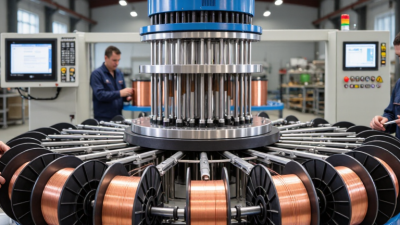
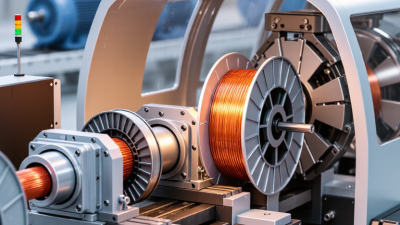
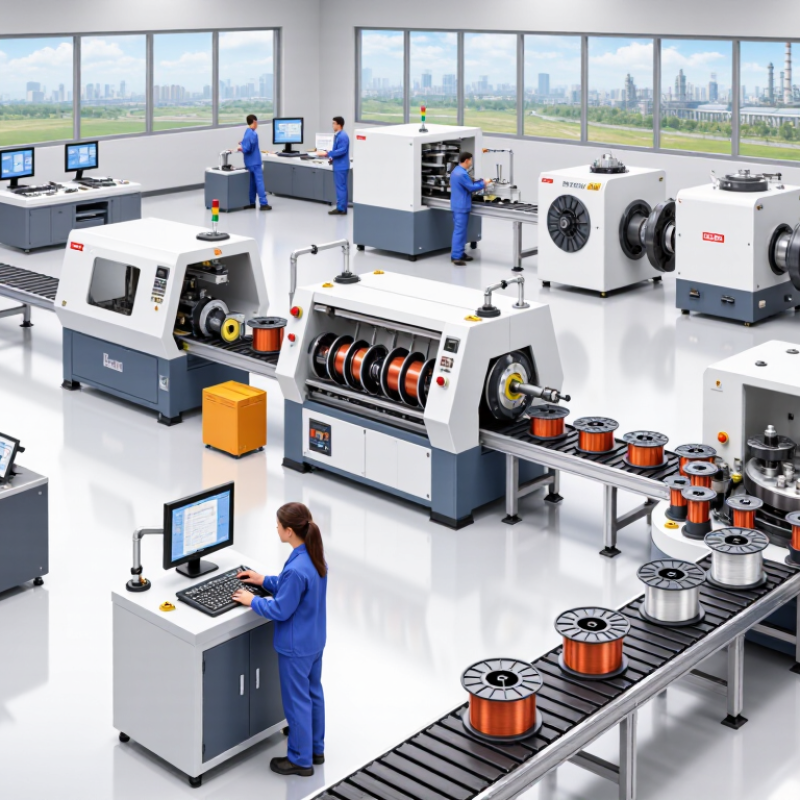
A coil winding machine guides wire around a core, bobbin, or former to create a coil with controlled turns and spacing. Depending on the model, it may use a rotating spindle, a wire guide, tension controls, and a programmable counter. The operator sets winding speed, turn count, and traverse width. Small details matter. Uneven tension can loosen the winding or damage thin insulation.
These machines produce coils for electric motors, transformers, inductors, relays, and other electrical components. For example, a motor coil may need closely packed turns, while a transformer winding may require careful separation between wire layers. Some machines are designed for manual setup and short runs; automated systems can repeat stored winding patterns across larger batches. The right choice depends on wire diameter, coil dimensions, production volume, and how much setup flexibility is needed.
In practice, a correct turn count does not guarantee a reliable coil. Operators also check wire tension, layer alignment, insulation condition, and the finished coil’s dimensions. A sample winding can reveal problems before a full batch begins. This step is easy to underestimate. Even experienced teams may need to adjust settings when wire stiffness, bobbin shape, or material changes. No machine removes the need for inspection.
Key Types and Technologies in Coil Winding Equipment
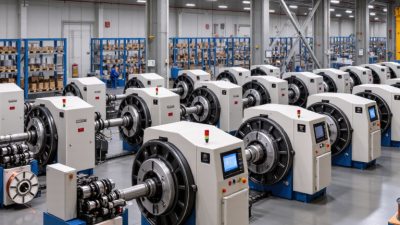
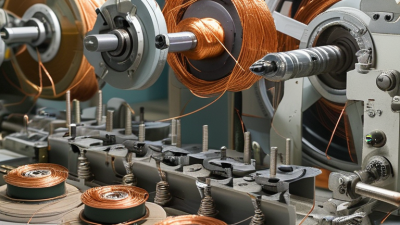
Coil winding machines differ mainly in how they guide wire and support the workpiece. Flyer winders rotate a flyer around a stationary bobbin, making them useful for many transformer and inductor coils. Needle winders place wire through narrow openings, such as those found in stator slots. Toroidal machines pass wire through a rotating shuttle and are designed for ring-shaped cores. Each layout solves a different access problem.
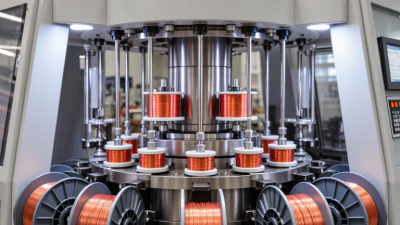
Control technology matters just as much. Servo-driven axes can coordinate spindle speed, traverse movement, and wire placement. Programmable winding patterns help create repeatable layers, while tension controls reduce loose turns and damaged insulation. Some systems use sensors to monitor wire breakage or track production counts. Still, sensor readings need proper setup. Automation is not magic.
When comparing equipment, match the machine to the wire diameter, coil geometry, and expected production volume. A small coil with fine wire may need gentle tension and precise traverse control. A large stator may require robust tooling and easier loading. Ask for a sample winding using your actual materials. Inspect the finished coil for gaps, crossed turns, and insulation wear. One detail is easy to miss: setup time can outweigh winding speed in short production runs.
China Top 10 Coil Winding Machine Manufacturers - Key Types and Technologies in Coil Winding Equipment
This overview compares ten established coil-winding machine types and their common technologies. It is a technical guide, not a ranked list of companies or manufacturers.
| No. | Machine Type | Winding Method | Typical Applications | Key Technologies | Selection Considerations |
|---|---|---|---|---|---|
| 1 | Bobbin Winding Machine | Wire is wound onto a bobbin or spool, often with a traversing guide. | Inductors, small transformers, relays, and other bobbin-based coils. | Programmable turns, traverse control, tension control, and recipe storage. | Check bobbin dimensions, wire diameter range, winding speed, and required turn-count accuracy. |
| 2 | Flyer Winding Machine | A rotating flyer guides wire around a stationary or indexed coil former. | Transformer coils, inductors, and coils with accessible winding windows. | Flyer-speed control, wire guides, programmable layer patterns, and tension regulation. | Evaluate coil geometry, wire path, allowable wire stress, and the need for automatic wire handling. |
| 3 | Spindle Winding Machine | The coil former rotates on a spindle while wire is guided onto it. | Coils wound on bobbins, mandrels, or other rotating formers. | Servo-controlled spindle, synchronized traverse, programmable winding patterns, and wire-break detection. | Consider spindle capacity, former loading method, coil balance, and the complexity of the winding pattern. |
| 4 | Toroidal Winding Machine | Wire is carried through the center of a ring-shaped core and laid around the core. | Toroidal transformers, current transformers, and ring-core inductors. | Core-holding fixtures, shuttle or needle systems, controlled wire feeding, and turn counting. | Match the machine to core inside diameter, outside diameter, cross-section, wire size, and required turns. |
| 5 | Needle Winding Machine | A winding needle places wire into slots or around teeth, commonly on a stator. | Stator windings for motors and generators, including concentrated windings. | Multi-axis motion control, needle-path programming, wire tension monitoring, and slot-position indexing. | Confirm stator geometry, slot access, winding sequence, insulation requirements, and changeover needs. |
| 6 | Stator Winding Machine | Coils are inserted or wound into stator slots using a process suited to the stator design. | Electric motors, pumps, compressors, and other rotating electrical machines. | Coil insertion tooling, slot indexing, wire forming, programmable control, and optional process monitoring. | Selection depends on stator size, slot count, winding configuration, production volume, and insulation system. |
| 7 | Armature Winding Machine | Wire is wound into the slots of a rotating armature, with indexing between slots. | Small motors, power tools, appliances, and other armature-based machines. | Commutator indexing, slot alignment, automatic wire placement, and controlled lead connection. | Check armature and commutator dimensions, slot configuration, winding pattern, and required connection method. |
| 8 | Transformer Coil Winding Machine | Primary and secondary windings are formed on a bobbin, core, or other coil former. | Power, distribution, instrument, and electronic transformers. | Layer counting, programmable traverse, tension control, insulation handling, and winding data storage. | Assess winding dimensions, conductor type, insulation sequence, tap requirements, and coil-quality specifications. |
| 9 | CNC Precision Winding Machine | Computer-controlled axes coordinate spindle rotation and wire traverse for repeatable patterns. | Precision inductors, sensors, medical-device coils, and research or low-volume production. | Multi-axis servo control, programmable winding paths, digital recipes, and process alarms. | Review axis count, programming workflow, repeatability requirements, data traceability, and operator skill needs. |
| 10 | Automatic Coil Winding Line | Multiple operations are integrated into a production sequence with automated part transfer. | High-volume motor, transformer, and component production. | Automated loading and unloading, machine coordination, inspection options, and production data collection. | Compare required output, changeover frequency, line layout, integration requirements, and maintenance access. |
How to Evaluate Coil Winding Machine Manufacturers in China
China Top 10 Coil Winding Machine Manufacturers
How to Evaluate Coil Winding Machine Manufacturers in China
A manufacturer’s catalogue is only a starting point. Compare machines against your actual coil drawings, wire diameter, bobbin dimensions, and production volume. Ask whether the supplier has built equipment for similar winding patterns, including the required turns, tension control, and traverse width. Ask for evidence. A short video of a sample run can reveal wire slippage, uneven layers, or awkward operator access.
Check how the machine handles changeovers and routine maintenance. Look for clear instructions on setting tension, replacing guides, and saving winding recipes. Request a sample coil made with your own wire and inspect its dimensions, finish, and repeatability. Small details matter. A machine may meet the stated speed yet struggle with delicate wire or frequent product changes. That is useful to discover before purchase, not during a busy shift.
Evaluate the supplier’s technical support as carefully as the hardware. Confirm which components are standard, what spare parts are included, and how remote troubleshooting works across time zones. Ask for a written specification, acceptance criteria, delivery schedule, and training plan. Verify claims through references or a factory inspection when practical. No checklist catches everything. Leave room for trial runs, and document any limits you observe; assumptions about “easy operation” can prove optimistic.
China’s Top 10 Coil Winding Machine Manufacturers
China’s top 10 coil winding machine manufacturers are best compared by performance, support, and fit—not by ranking claims alone. Buyers should match machine capability to wire diameter, coil dimensions, production volume, and winding method. A supplier’s technical team should explain how tension control, traverse accuracy, and programmable settings affect the finished coil. Ask for a sample winding using your own wire and specifications. Real evidence helps.
Inspect the machine closely. Check whether the spindle runs smoothly, the wire guide moves consistently, and the controls make recipe changes clear. Request operating manuals, training details, spare-parts information, and a written acceptance test. These practical checks can reveal gaps that a polished catalog may not show. I would still verify performance on the intended material; one successful demonstration is not a guarantee of every production result.
How to Compare Suppliers for Your Production Needs
China Top 10 Coil Winding Machine Manufacturers: How to Compare Suppliers for Your Production Needs
Choosing a coil winding machine supplier begins with your actual production requirements. List wire diameters, bobbin dimensions, winding patterns, and daily output. A machine suited to fine-wire prototypes may struggle with heavier wire or long production shifts. Ask suppliers to demonstrate your winding pattern using a sample bobbin. Watch how consistently the wire is tensioned and placed. A polished demonstration is useful, but it cannot replace production data.
Tips: Request cycle-time figures, changeover steps, and maintenance intervals in writing. Compare the same details across suppliers. Ask what happens when a tension sensor fails. Small questions reveal practical differences.
Check how operators load wire, adjust settings, and clear common faults. Request training details and spare-parts lead times, not only the machine price. If possible, inspect a running unit or arrange a sample-production test. Record coil dimensions and inspect several finished pieces, not just one. Confirm which performance figures are guaranteed and how they are measured. Even careful comparisons can miss details; our first checklist overlooked setup time. That is worth reviewing before purchase. Good documentation helps your team compare offers and plan installation with fewer surprises.
China Top 10 Coil Winding Machine Manufacturers: How to Compare Suppliers
Example buyer-defined weighting for comparing suppliers. These percentages are a planning framework, not market statistics or scores for specific manufacturers.
Prioritize winding accuracy and compatibility with your wire, coil designs, and production volume. Then compare automation, service support, changeover time, safety documentation, and total cost. Adjust the weights to match your production needs, and score each supplier against the same criteria.