Top Road Winding Machine Manufacturers in China
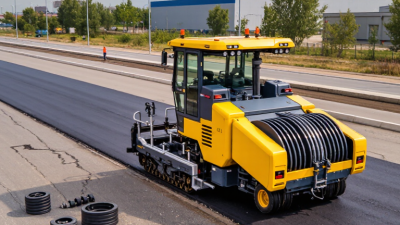
China has become an important source of road winding machines, serving contractors and equipment distributors across varied markets. Yet choosing a supplier takes more than comparing prices or catalog photos. Buyers need to examine winding consistency, frame stability, control accuracy, and how easily operators can access routine service points. A machine may look robust on a factory floor. Its performance on a dusty site is the real test.
Manufacturing-quality expert W. Edwards Deming is often credited with the principle, “Quality is everyone’s responsibility.” Applied here, that means evaluating the complete process, from component selection to assembly checks and after-sales support. A reliable road winding machine should handle its intended materials and workload without frequent adjustment. Ask manufacturers for clear specifications, test procedures, spare-parts details, and evidence of comparable installations. Those details matter more than broad claims of high efficiency.
This guide introduces leading Chinese manufacturers and the factors that distinguish their equipment. It considers product range, customization, production capability, quality controls, and service responsiveness. Some suppliers may provide stronger engineering support; others may compete through price or delivery speed. The best choice depends on the job. There is no perfect machine. Even a well-built unit can disappoint when its capacity is poorly matched to site conditions, and a brochure rarely tells the whole story. Check the details, and ask hard questions.
What Is a Road Winding Machine and How Is It Used?
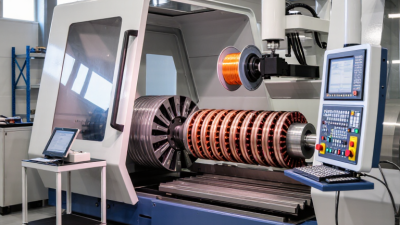
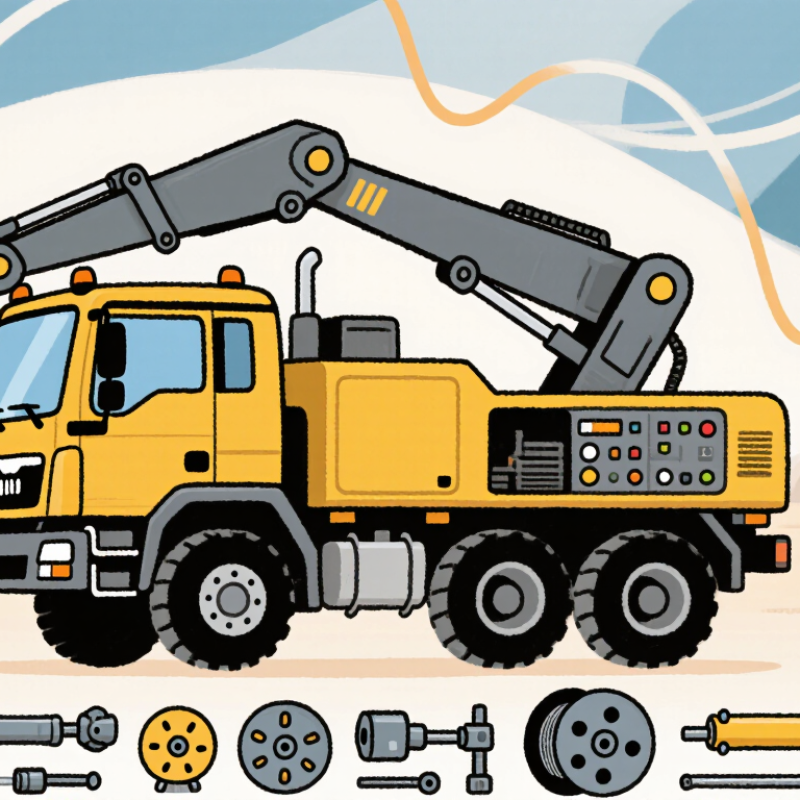
A road winding machine is equipment for collecting and rewinding flexible materials used on construction and maintenance sites. Depending on its design, it may handle cable, geogrid, drainage fabric, or marking tape. A powered drum turns the material into a compact roll, while guide rollers help keep it aligned. Some machines include adjustable tension controls to reduce slack and prevent uneven winding.
On site, an operator feeds the material through the guides and secures its end to the drum. The machine then winds at a controlled speed as workers monitor alignment and tension. For example, a crew removing temporary cable can rewind it into a manageable coil instead of leaving it tangled along the road. The result is tidy. Clear the drum before changing materials, and check the machine’s rated width, roll diameter, and load capacity. Not every model fits.
Good operation depends on the material as much as the machine. Excessive tension can stretch fabric or damage cable; too little can create loose, unstable rolls. Operators should follow the equipment manual, keep hands away from moving rollers, and stop the drive before clearing a jam. Terminology varies between suppliers, so confirm which materials and spool sizes a machine is designed to handle before selecting it.
| Equipment or Feature | What It Is | How It Is Used | Typical Materials or Applications | Important Selection Considerations |
|---|---|---|---|---|
| Road winding machine | A broad or informal term that may refer to equipment for winding road-related materials into rolls. It is not a single standardized machine category; the exact function depends on the material and production process. | Material is fed through the machine and wound onto a core or spool. Tension and alignment controls help produce a consistent roll. | Depending on the machine design: road-marking tape, geosynthetic rolls, or other flexible construction materials. | Confirm the material, roll width, core diameter, finished-roll diameter, operating speed, and required tension-control method before specifying a machine. |
| Road-marking machine | A vehicle-mounted or walk-behind machine that applies traffic lines and symbols to pavement. It is different from a roll-winding machine. | Applies marking material along a planned path, typically using a paint spray system or a heated thermoplastic application system. | Roads, parking areas, intersections, airport pavements, and other paved surfaces. | Choose based on marking material, line width, work area, required output, and whether the machine must also apply reflective glass beads. |
| Paint line-marking system | A road-marking setup that pumps and sprays traffic paint through a spray gun or nozzle. | The operator guides the machine while paint is applied to a prepared surface. Some systems include bead dispensers for retroreflectivity. | Traffic paint on asphalt or concrete, including parking-space lines and road markings. | Check paint compatibility, pump capacity, nozzle options, cleaning requirements, and the surface-preparation process. |
| Thermoplastic road-marking machine | Equipment that applies thermoplastic marking material, which is heated until it can be laid onto the pavement. | A heating kettle melts the material; an applicator then places it as a line or marking. Glass beads may be added to improve nighttime visibility. | Durable road lines, pedestrian crossings, stop bars, and other high-wear pavement markings. | Consider heating capacity, material handling, temperature control, application method, and the safety procedures needed for hot material. |
| Road-marking tape applicator | A tool or machine that lays preformed marking tape from a roll onto a pavement surface. | The tape is unwound, aligned, pressed, and bonded to the prepared surface according to the tape and installation instructions. | Temporary or permanent markings, depending on the tape type and pavement conditions. | Verify tape width, roll dimensions, surface condition, adhesive requirements, and whether application is manual or machine-assisted. |
| Common machine components | Components vary by machine, but may include a frame, drive system, material feed, applicator, controls, and safety features. | Components work together to feed, apply, or wind material at a controlled rate and along a chosen path. | Production lines, pavement-marking work, and handling of flexible road-construction materials. | Review guarding, emergency stops, maintenance access, operator visibility, and availability of compatible replacement parts. |
| Before purchasing | A practical specification check that helps distinguish a winding machine from a road-marking machine. | Describe the required operation to the supplier and request a demonstration or written confirmation against the intended material and workflow. | Any road-material handling or pavement-marking project. | Specify the material, task, working width, output target, power supply, operating environment, applicable safety requirements, and after-sales support needs. |