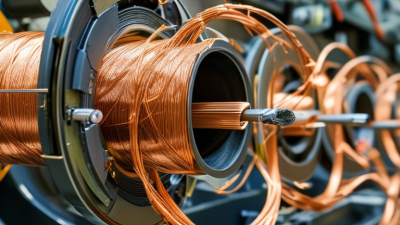
Best Motor Coil Machine Manufacturer in China?

The search for the best motor coil machine manufacturer in China starts with a practical question: what must the equipment produce? At what daily volume? A stator winder for small appliance motors has different needs from equipment handling larger industrial coils. Wire diameter, slot count, winding pattern, changeover time, and operator skill all affect the choice.

A reliable supplier should explain these limits clearly. Ask for machine specifications, sample winding results, cycle-time data, and references from similar applications. If possible, review a live demonstration. Watch how the machine guides wire, controls tension, and detects faults. A tidy brochure helps, but it cannot reveal every production issue. Small details matter. Confirm installation support, spare-part availability, training, and response times before placing an order. Check whether controls and documentation are available in a language your technicians can use.

Price deserves attention, but the lowest quote may exclude tooling, commissioning, or after-sales service. Compare the full operating picture, including scrap rates, setup time, and maintenance access. The right motor coil machine should suit your product range and leave room for realistic growth, not merely look impressive in a showroom. No checklist is perfect; actual output can vary with materials and operator experience. That uncertainty is worth discussing openly. This guide outlines questions buyers can use to compare Chinese manufacturers carefully and base their decision on evidence rather than claims.
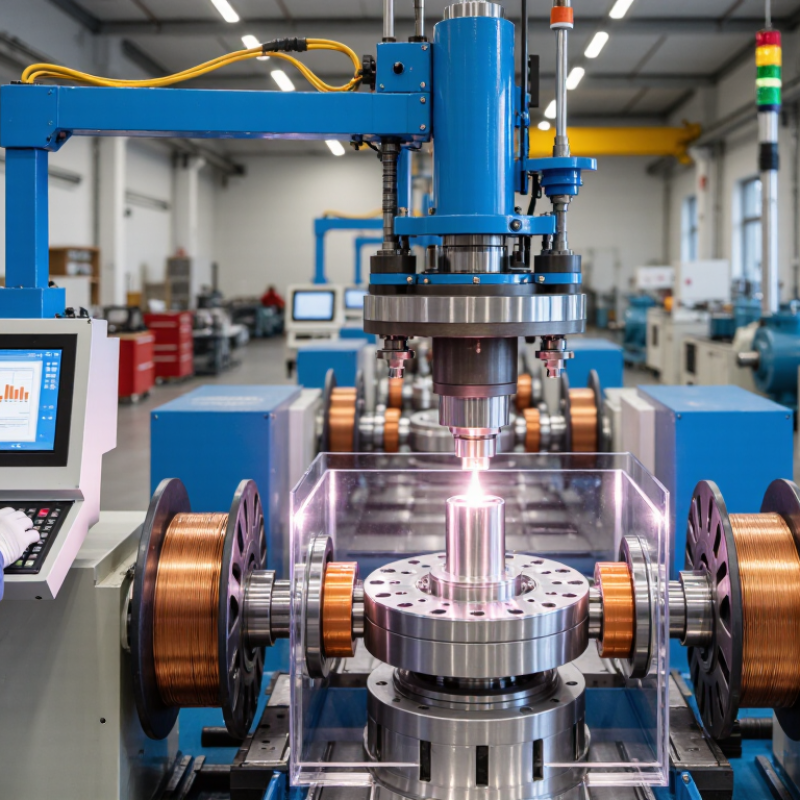
Best Motor Coil Machine Manufacturer in China?

What Motor Coil Machines Do: Stator, Rotor, and Winding Processes

Best Motor Coil Machine Manufacturer in China?

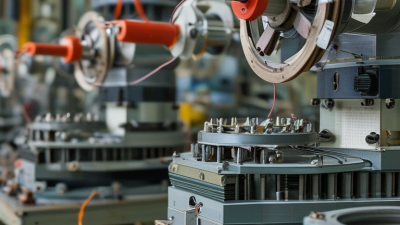
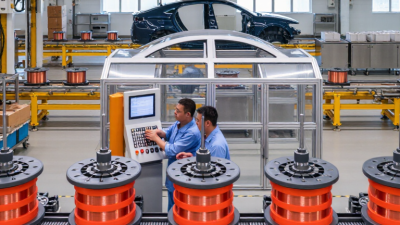
Motor coil machines form the electrical heart of many motors. On a stator line, operators wind copper wire into precise slots, then insert and secure the coils. Automatic winding improves repeatability, but setup still matters. Wire tension, slot dimensions, and insulation thickness can affect coil shape and fit. Small details matter.

Rotor processes vary by motor design. Wound-rotor motors require coils on the rotor, while common squirrel-cage rotors use conductive bars rather than wound coils. A supplier should explain which process its equipment supports. Ask for sample coils, changeover times, and the acceptable wire-size range. A fast cycle is useful, but only if the finished winding passes inspection.

The U.S. Department of Energy’s 2014 sourcebook, Improving Motor and Drive System Performance, reports that motor-driven systems use about 54% of electricity consumed by U.S. manufacturing. That figure is not a measure of winding-machine performance, but it shows why motor quality and production consistency matter. When assessing a Chinese manufacturer, review trial-run data, tooling details, and service response times. I would also inspect a real winding sample. A polished brochure can hide awkward changeovers. That distinction matters.

What Motor Coil Machines Do: Stator, Rotor, and Winding Processes

This simplified comparison counts the listed steps in each example workflow: stator coils are wound, inserted, and laced or formed; wound-rotor coils are wound, placed, and connected. Actual steps depend on motor design; squirrel-cage and permanent-magnet rotors use different processes.

Why Winding Automation Matters: Motor-Driven Systems Use About 45% of Global Electricity

Best Motor Coil Machine Manufacturer in China?

Why Winding Automation Matters: Motor-Driven Systems Use About 45% of Global Electricity

A widely cited estimate places motor-driven systems at about 45% of global electricity use. That figure includes motors across factories, buildings, pumps, and transport. It makes motor efficiency a practical concern, not just a design target. Every small improvement matters at scale.

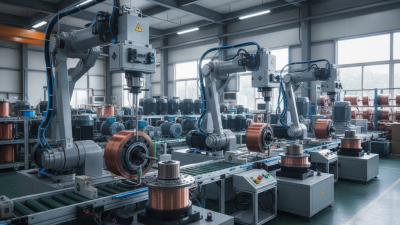
Winding automation supports better motor quality by controlling wire tension, coil placement, and turn count. A precise winding can reduce unwanted resistance and heat, while consistent production helps limit defects and rework. Operators can also monitor settings instead of relying only on visual checks. Small details count.

Automation does not make every motor efficient by itself. Core materials, cooling, load conditions, and maintenance still shape real-world energy use. A winding machine should therefore be assessed for repeatability, changeover time, and measurable coil quality, not speed alone. There is no single setting that fits every design. Manufacturers comparing equipment can ask for sample coils, process data, and clear acceptance criteria before choosing a system.

Which Standards to Check: ISO 9001, ISO 12100, and IEC 60204-1

When evaluating a motor coil machine manufacturer in China, check the evidence behind its quality claims. ISO’s 2022 Survey recorded 1,265,216 valid ISO 9001 certificates worldwide. That figure shows the standard’s broad use, not a supplier’s specific performance. Ask for a current certificate covering the actual manufacturing site and relevant activities, plus sample inspection records and corrective-action reports. Look for traceability from incoming copper wire to finished coils. A certificate alone is not enough.

ISO 12100:2010 sets out machinery risk-assessment principles. Request a documented assessment for hazards such as moving winding heads, pinch points, and access during setup. Check that guards, interlocks, and clear instructions match the machine you will receive.

IEC 60204-1:2016, including Amendment 1:2021, covers electrical equipment of machinery. Review wiring diagrams, protective bonding tests, overcurrent protection, and emergency-stop functions. Ask to see these checks demonstrated on the factory floor.

Small details matter. A label can look tidy while a test record is missing. No supplier is flawless; unclear evidence deserves a follow-up, not an assumption.

How to Compare Manufacturers: Winding Accuracy, Cycle Time, and Quality Tests

Best Motor Coil Machine Manufacturer in China?

How to Compare Manufacturers: Winding Accuracy, Cycle Time, and Quality Tests

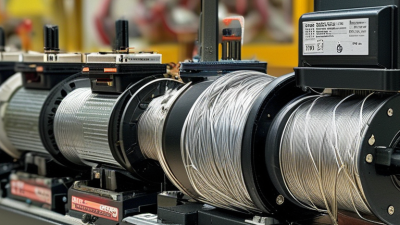
A motor coil machine should be judged by repeatable results, not a brochure’s maximum speed. Ask for winding samples using your actual wire gauge, coil dimensions, and production settings. Check turn-count consistency, wire tension, slot placement, and end-turn shape. Small deviations can cause rework. Request measured results from several consecutive coils, not just one successful sample.

Cycle time needs a clear definition. Does the quoted figure include loading, wire cutting, changeovers, and inspection? Time a complete production run with your operators and tooling. The U.S. Department of Energy’s Improving Motor and Drive System Performance: A Sourcebook for Industry reports that motor-driven systems use about 70% of U.S. industrial electricity. That figure does not set a machine speed target, but it shows why reliable motor production matters. Fast output is not useful if defects interrupt downstream assembly.

Ask how the manufacturer verifies quality. Typical checks include winding resistance, insulation resistance, and dielectric withstand testing, with suitable methods selected for the motor design and applicable standards. Review calibration records and sample test reports. Also ask how faults are logged and traced to a coil or production batch. A limitation remains: factory demonstrations rarely reproduce every shift condition. Request a trial using your materials, and confirm acceptance criteria in writing. I would still inspect the first production batch closely.

How to Choose a Chinese Supplier: Customization, Support, and Total Cost of Ownership

Best Motor Coil Machine Manufacturer in China?

Choosing a Chinese motor coil machine supplier requires more than comparing quotations. Check whether the machine handles your actual wire diameter, coil dimensions, and production volume. Ask for sample coils, changeover times, and a factory acceptance test using your specifications. One limitation: quoted cycle times may not reflect every coil geometry.

Total cost of ownership includes installation, training, tooling, spare parts, maintenance, and production downtime. The International Energy Agency’s 2011 report, Energy-Efficiency Policy Opportunities for Electric Motor-Driven Systems, estimates that motor-driven systems use about 45% of global electricity. This is not a machine-cost estimate, but it shows why winding consistency matters: poor coils can affect the efficiency of motors during years of operation. The U.S. Department of Energy’s motor selection guide also treats operating energy as a major lifecycle cost. A cheap machine may not be cheap to run.

Tips: Request a written list of standard and optional features, spare-part lead times, and remote-support hours. Compare warranty coverage and service response in your region. Ask the supplier to demonstrate recipe storage and repeatability across several batches. No supplier is perfect; verify claims with test records, not promises.

Best Motor Coil Machine Manufacturer in China? - How to Choose a Chinese Supplier: Customization, Support, and Total Cost of Ownership

There is no universally best supplier for every application. Compare documented machine capability, project requirements, service coverage, and lifecycle costs before making a decision.

Evaluation dimension What to compare Evidence to request Why it matters
Application fit Machine type and process compatibility with the coil geometry, wire, materials, and production steps in your specification. A written technical proposal mapping each requirement to a machine feature or an identified limitation. A machine suited to a different winding or forming process may not meet the actual production need.
Customization Available tooling, fixtures, software recipes, automation interfaces, and scope for engineering changes. A scope document listing included and optional items, design responsibilities, approval stages, and change-control terms. Clear boundaries help prevent gaps between the quoted machine and the required production line.
Performance validation Acceptance criteria for cycle time, output quality, repeatability, and changeover, defined for the agreed product and test conditions. A factory acceptance test plan, sample test records, and agreed pass/fail criteria before shipment. Measured results under specified conditions are more useful than unqualified performance claims.
Controls and integration Control-system documentation, available communication interfaces, safety functions, and compatibility with site requirements. Electrical drawings, interface details, operating manuals, and a list of applicable standards or certifications for the offered configuration. Integration and compliance requirements vary by facility and destination market; confirm them for the specific machine.
Training and support Installation, operator and maintenance training, remote assistance, service hours, escalation process, and on-site service availability. A written service plan stating coverage, languages, response commitments, travel costs, and what is included in the purchase price. Support arrangements affect commissioning, troubleshooting, and the time needed to restore operation.
Spare parts and maintainability Wear components, recommended spares, component availability, maintenance access, and replacement procedures. A priced spare-parts list with part descriptions, lead-time estimates, and maintenance instructions. Parts availability and serviceability influence maintenance planning and potential downtime.
Total cost of ownership Purchase price plus tooling, shipping, duties, installation, training, utilities, maintenance, spare parts, and expected operating costs. An itemized quotation and a lifecycle-cost worksheet using the same operating assumptions for each supplier. Comparing only the initial price can omit significant costs incurred after delivery.
Delivery and project risk Design approval, build milestones, inspection, packing, shipping terms, installation responsibilities, and warranty conditions. A project schedule, inspection plan, written delivery terms, warranty details, and a list of customer-supplied items. Defined responsibilities and milestones make it easier to manage schedule, acceptance, and handover risks.