2026 Best Road Winding Machine for Sale?

Choosing the best road winding machine for sale in 2026 requires more than comparing prices. It demands attention to pavement condition, production speed, operator control, and long-term maintenance. A machine may look powerful in a showroom, yet perform poorly on uneven asphalt.

The Federal Highway Administration’s Long-Term Pavement Performance program contains data from more than 2,500 pavement sections. Its research shows that construction quality, climate, materials, and maintenance strongly influence road life. These factors should guide every road winding machine purchase. The National Asphalt Pavement Association also reports that reclaimed asphalt pavement remains widely reused in new mixtures. That trend increases demand for accurate, adaptable equipment.

Mark Morosi, a pavement preservation specialist associated with the FHWA, uses a practical phrase: “The right treatment, on the right road, at the right time.” The same principle applies to machinery selection. A compact machine may suit urban repairs, while a heavy-duty model may handle long highway projects better. Details matter, including drum balance, cutting depth, dust control, hydraulic response, and service access.

Real job sites are rarely perfect. Operators face cracked surfaces, tight corners, sudden weather, and inconsistent materials. Some 2026 buying guides may focus too heavily on engine power. That is a weakness. Fuel use, vibration control, spare-parts availability, and training costs deserve equal attention. Buyers should test machines on representative pavement before signing a purchase agreement. The best choice is not always the newest model. It is the machine that delivers predictable results, safe operation, and measurable value across its working life.
2026 Best Road Winding Machine for Sale?

What Is a Road Winding Machine and What Is It Used For?

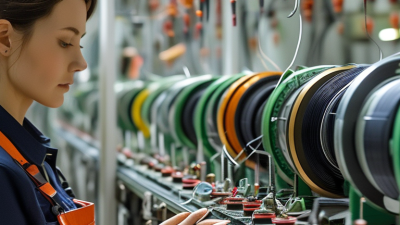
A road winding machine is a powered unit that winds cable, rope, or similar flexible material onto a drum. On road projects, it can help deploy or recover temporary lines, manage utility cable, and prepare reels for transport. The term is not fully standardized, so sellers may use it for different machines. Check what material the unit handles before comparing models. A cable winder is not a road-marking machine.

The scale of the work is substantial. The Federal Highway Administration’s Highway Statistics series reports more than four million miles of public roads in the United States. That network depends on organized installation and maintenance of roadside utilities and infrastructure. A suitable winder should match the cable diameter, reel width, and expected pulling tension. Variable speed and a reliable braking system can help prevent loose wraps or sudden pay-out. Small details matter. A poorly aligned guide can damage cable insulation.

Tips: Ask for the rated line pull, drum capacity, and operating speed in writing. Verify whether the machine includes a level-wind guide and emergency stop. Test it with the actual cable type, if possible. A catalogue rating alone may not reflect field conditions; uneven ground and wet cable can change performance.

2026 Best Road Winding Machine for Sale? What Is a Road Winding Machine Used For?

Road marking machines apply traffic lines to pavement. Line width is one of the key specifications to consider when selecting equipment.

Typical road-marking line widths: standard lines are commonly 4–6 inches wide, while wide lines are commonly 8–12 inches wide. Applicable requirements vary by road authority and location.

How Does a Road Winding Machine Operate?

How Does a Road Winding Machine Operate?

A road winding machine lays traffic lines by controlling material flow, line width, and travel speed. Before work begins, operators clean and dry the pavement, then mark the planned route with chalk or temporary guides. This step matters. Dust, damp patches, and sharp turns can weaken adhesion or distort the line. The machine may use spray paint or heated thermoplastic, depending on the job and road surface.

For thermoplastic application, a kettle heats the material until it flows evenly; a pump or screed then deposits it onto the pavement. Glass beads are often dropped onto fresh markings to improve nighttime visibility. Operators adjust speed and material flow together: moving too quickly can create thin lines, while stopping abruptly may leave a heavy blob. FHWA’s Pavement Marking Handbook describes these application methods and stresses that surface preparation and material choice affect marking performance. Real sites are less tidy than diagrams suggest.

Quality checks include line width, thickness, alignment, and bead coverage. A short test line can reveal uneven flow before the crew marks a long stretch. WHO’s Global Status Report on Road Safety 2023 estimates 1.19 million road deaths annually worldwide, underscoring why clear markings matter, though markings alone cannot prevent crashes. Weather, worn pavement, and operator judgment still affect results. That part deserves more attention.

2026 Best Road Winding Machine for Sale? - How Does a Road Winding Machine Operate?

Topic Typical Details How It Relates to Operation or Selection
Equipment terminology “Road winding machine” is not a widely standardized equipment category. For road-line application, the commonly used term is road marking machine or line-marking machine. Confirm the intended task before comparing equipment. Road marking machines apply traffic lines; they are different from road rollers and cable-winding equipment.
Main purpose Applies road-marking materials to prepared pavement to create lines, symbols, and other traffic-control markings. Choose the machine and material system according to the marking design, pavement, project size, and applicable road specifications.
Common machine types Hand-pushed machines, self-propelled walk-behind machines, ride-on machines, and truck-mounted systems. Smaller units suit short or confined work; ride-on and truck-mounted equipment can reduce operator effort on larger projects.
Common marking materials Waterborne or solvent-based traffic paint, thermoplastic, and plural-component materials such as epoxy or methyl methacrylate systems. Material choice affects equipment configuration, preparation, curing or cooling time, and cleaning requirements. Not every machine handles every material.
Typical operating sequence Prepare and clean the pavement; set out the line; load and condition the material; adjust the applicator; apply the marking; add reflective beads when specified; inspect the finished line. Following the sequence helps achieve consistent placement and adhesion. Material instructions and project specifications determine the exact procedure.
Material delivery Paint systems commonly use a tank, pump, hose, and spray gun or spray tip. Thermoplastic systems use a heated material tank and a screed or extrusion shoe. The delivery system must match the material. Thermoplastic must be maintained within the material supplier’s specified application-temperature range.
Line width control Line width is controlled by the selected spray tip or marking shoe, machine setup, and application method. Verify the required width against the project plan and local road-marking standard; check the first test line before full production.
Line placement Guides, pointers, layout marks, or a pre-marked reference line help the operator keep the machine on the intended path. Accurate layout and steady machine movement are important for straight lines, curves, and consistent offsets.
Reflective beads Glass beads may be applied to suitable wet paint or thermoplastic markings to improve retroreflection when required by the specification. Bead type, application rate, and timing should follow the material and project requirements. Beads are not required for every marking.
Productivity factors Output depends on machine type, line width, material loading, pavement condition, layout complexity, traffic control, and required drying or cooling time. Compare capacity and working speed using the same material and project conditions; published figures are not directly comparable otherwise.
Routine checks Inspect hoses, fittings, filters, spray tips or shoes, controls, tires, heating components where fitted, and bead dispensers before use. Follow the equipment manual and material safety data. Clean and maintain the system using procedures suitable for the material handled.
Safety essentials Use the required personal protective equipment, manage hot material and pressurized systems carefully, and provide work-zone traffic control. Follow local traffic-control rules, equipment instructions, and material safety data. Thermoplastic equipment presents burn and fire hazards.
Purchase checklist Check material compatibility, application method, line-width options, tank or hopper capacity, cleaning method, service access, operator controls, and spare-part availability. Request technical documentation and a demonstration using the intended marking material and application. Compare total operating needs, not purchase price alone.

Note: Specifications vary by machine and material. Confirm operating limits, application rates, and project requirements in the equipment manual, material documentation, and applicable road-marking standards.

What Types of Road Winding Machines Are Available?

2026 Best Road Winding Machine for Sale? What Types of Road Winding Machines Are Available?

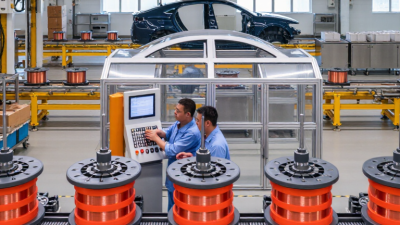
The term “road winding machine” is not fully standardized. In supplier catalogs, it usually describes equipment that winds road-work cables, hoses, geotextiles, or temporary barrier materials. Hydraulic winding machines handle heavy reels and long hoses. Electric models suit workshops and municipal vehicles. Manual units remain useful for short jobs and tight budgets. They are slower, but easier to inspect and repair.

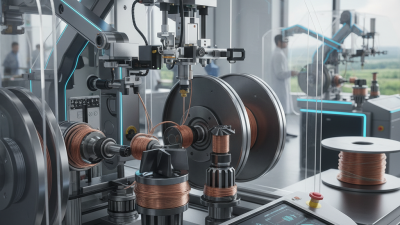
Automatic machines use sensors to control tension, speed, and reel alignment. Semi-automatic models require an operator to guide the material. Cable winding machines often include adjustable drums, while hose winders need stronger side frames and larger bending radii. For geotextile rolls, a low-tension system prevents wrinkles and edge damage. One small mistake can ruin a full roll.

A 2024 Grand View Research report places the global road construction equipment market on a steady growth path, with automation and fleet efficiency among major drivers. Research and Markets also identifies labor savings and safer material handling as key purchasing factors. These findings support automatic winding systems for high-volume contractors. However, the most advanced machine is not always the best choice. Check reel diameter, maximum load, winding speed, power supply, emergency stopping, and spare-part availability. A machine that looks impressive may still fail on a wet roadside or uneven surface.

Which Specifications Matter When Comparing Machines?

2026 Best Road Winding Machine for Sale?

Which Specifications Matter When Comparing Machines?

When comparing a 2026 road winding machine, start with the material, not the advertised speed. Measure film, paper, or coated fabric width, thickness, roll diameter, and core size. A machine rated for 1,800 meters per minute may perform poorly with delicate material. Ask for tension stability across the full roll. Uneven edges reveal trouble quickly. In shop-floor evaluations, a steady 0.5% tension variation often matters more than peak speed. Check whether the machine supports your actual core system. Small mismatches create delays.

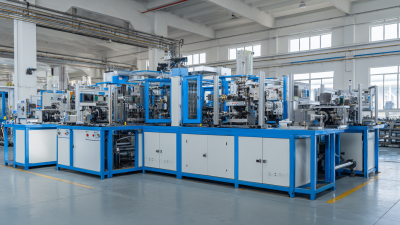
Key specifications include winding width, usable diameter, shaft load, motor power, speed range, and automatic tension control. Review acceleration and stopping behavior too. A heavy roll should stop without telescoping or web damage. Look for load-cell feedback, accessible sensors, and controls operators can understand. Data logging helps verify defects instead of relying on memory. Noise, guarding, emergency access, and cleaning space also deserve measurement. Compact frames save floor space, but cramped maintenance areas may extend downtime. Details matter.

Request a trial using your own material and typical production settings. Inspect the finished roll under side lighting. Check hardness from core to edge, alignment, surface marks, and splice handling. Ask how often belts, bearings, knives, and sensors require service. Published tolerances can sound precise, yet results depend on setup and operator training. I would not choose the fastest machine automatically. I once favored a smaller model because changeovers were simpler. That decision was not perfect; future volumes may expose its limits. Compare verified output, energy use, training needs, and service response before buying.

How Can Buyers Evaluate Road Winding Machines for Sale in 2026?

2026 Best Road Winding Machine for Sale?

How Can Buyers Evaluate Road Winding Machines for Sale in 2026?

Buying a road winding machine starts with confirming what the seller means by “winding.” The term can describe different equipment and applications. Ask for the machine’s intended task, operating method, and compatible materials in writing. Then compare working width, output rate, power requirements, and adjustment range against your actual job conditions. A fast machine is not automatically the right machine. Check whether its controls are clear and accessible while wearing work gloves.

Request a live demonstration using materials similar to those you expect to handle. Watch for uneven winding, slipping, vibration, or frequent manual corrections. Ask how routine maintenance works and which wear parts need replacement. Inspect guarding, emergency stops, and the operator’s manual. If the quoted capacity seems unusually high, ask how it was measured. Real site conditions often reduce advertised output. I would not rely on a polished video alone; it can hide awkward setup or slow changeovers.

Tips: Compare the total delivered cost, not just the purchase price. Confirm warranty coverage, spare-part availability, training, and delivery time before paying. Request a written checklist of included components, and keep the demonstration results for comparison. One detail is easy to miss: verify that the machine fits your transport and storage space.