
7 Best Spindle Winding Machines for Global Buyers

Selecting the right spindle winding machine is rarely a simple comparison of speed and price. Global buyers must examine package quality, yarn tension, energy use, automation, and after-sales support. A machine may appear impressive in a catalogue. Its real performance depends on yarn type, bobbin dimensions, factory humidity, and operator skill.

The International Textile Machinery Federation’s International Textile Machinery Shipment Statistics remains a useful reference for tracking worldwide textile equipment investment and technology demand. Recent ITMF reporting shows continued pressure on manufacturers to improve productivity while controlling operating costs. The International Energy Agency also identifies industrial energy efficiency as a major competitiveness factor. These findings matter when comparing spindle winding machine models across different production regions.

This guide evaluates seven machines for practical international purchasing decisions. The comparison considers winding speed, tension stability, package flexibility, yarn breakage control, electrical compatibility, maintenance access, and spare-parts availability. Service matters.

Factory experience often reveals details that brochures omit. For example, a poorly positioned sensor can increase stoppages beside a dusty winding line. A complicated interface may also slow training for new operators. Buyers should request trial data using their own yarn, not rely only on showroom samples. Certification requirements, installation support, warranty terms, and local technician coverage deserve equal attention. No ranking fits every mill. That is an important limitation.

The seven selections below represent different priorities, including high-volume production, flexible batch work, automation, and budget control. Some conclusions may change after testing. That is normal. Careful buyers should verify output, waste, noise, and energy consumption before signing a global supply agreement.
7 Best Spindle Winding Machines for Global Buyers

What a Spindle Winding Machine Is and How It Works

What a Spindle Winding Machine Is and How It Works

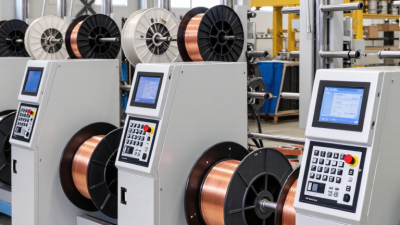
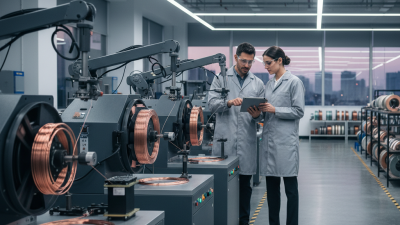
A spindle winding machine builds coils by rotating a wire-carrying bobbin around a central spindle. A traverse guide moves sideways, placing each turn beside the previous one. The tension system keeps the wire firm, while sensors monitor speed, length, and breakage. In production trials, even a small tension change can create loose edges, crossed turns, or damaged insulation.

The machine usually follows a programmed winding pattern. Operators set spindle speed, wire diameter, turns, pitch, and stopping points. The controller then synchronizes spindle rotation with guide movement. It sounds tidy. Real winding is less obedient. Heat, wire memory, vibration, and uneven bobbins can alter the final coil. Manual inspection still matters, especially near terminals and sharp edges.

The International Energy Agency reports that electric motor systems consume roughly half of global electricity, increasing the need for efficient motor manufacturing and reliable coils. Grand View Research estimated the global electric motor market at about USD 164.7 billion in 2023, with continued growth expected through 2030. These figures support demand for accurate winding equipment, but they do not guarantee every machine suits every application. Buyers should test actual wire, bobbin geometry, winding pattern, and insulation requirements before purchase. That step is often underestimated.

7 Best Spindle Winding Machines for Global Buyers

What a Spindle Winding Machine Is and How It Works

A spindle winding machine forms yarn, wire, film, or other flexible materials into a controlled package by rotating a spindle while guiding the material at a consistent tension. The chart compares representative maximum winding-speed ranges for seven common spindle-winding applications. Actual performance depends on material type, package size, tension control, winding angle, and machine configuration.

Key Features to Compare Before Choosing a Winding Machine

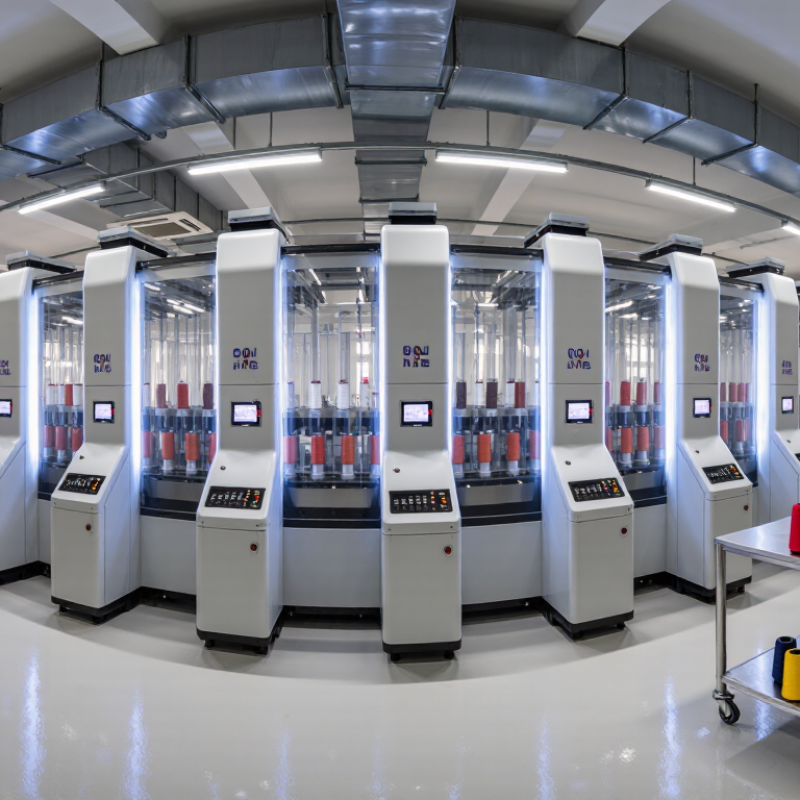
For global buyers, spindle winding machines should be compared by output quality, not speed alone. A practical test starts with the material: yarn type, count, elasticity, and package size. Check the spindle range and winding width against your actual production orders. A 24-spindle machine may suit a small line. Larger operations need balanced capacity and floor space. Measure noise, heat, and vibration during a full shift. Small defects become expensive at scale. Details matter.

Compare tension control carefully. Consistent tension reduces uneven packages, yarn breaks, and downstream rejects. Ask for data from different speeds, not one showroom setting. Look for sensors that detect empty tubes, broken yarn, and overfilled packages. Automatic stop functions save material, but they need simple calibration. Traverse accuracy also matters because poor layering can cause slippage during transport. Request sample packages and inspect their edges, density, and unwinding behavior. Do not rely on polished demonstrations.

Electrical compatibility, energy use, and maintenance access affect long-term costs. Confirm voltage, frequency, guarding, emergency stops, and technical documents for the destination market. Check whether operators can replace tension parts without special tools. Training quality is often overlooked. It should not be. Ask about spare-part lead times, remote support, and fault records. A lower purchase price may hide downtime, manual rework, or difficult cleaning. Compare total operating cost over three years, then repeat the test with real operators. The first choice may still be wrong.

Seven Leading Spindle Winding Machine Types for Global Buyers

Seven leading spindle winding machine types serve different production demands, wire sizes, and coil geometries. Precision coil winders produce tight, layered coils for motors, relays, and small transformers. Flyer winding machines handle larger wire and support stable tension during longer winding cycles. Toroidal winders guide wire around ring-shaped cores with controlled overlap and insulation spacing.

Stator winding machines place copper wire into motor slots with repeatable insertion patterns. Transformer winding machines support foil, round wire, and multilayer insulation systems. Voice coil winders create compact coils for speakers, sensors, and miniature actuators. Automatic multi-spindle winders increase output by running several coils in parallel, though setup errors can multiply quickly.

From practical equipment reviews, buyers should compare spindle speed, wire diameter range, tension control, programmable turns, and changeover time. A machine that looks fast may waste hours during tooling adjustments. Check whether operators can access replacement guides, sensors, and software support across regions. Energy use matters too, especially for continuous production.

Test samples before purchase. Small details matter.

Ask for winding accuracy data under real materials, not only ideal laboratory wire. I have seen production plans fail because the selected spindle could not manage flexible enamel wire consistently. That weakness is easy to miss. A clear service process, operator training, and documented calibration routine often matter as much as headline speed.

How to Match Machine Specifications With Production Requirements

7 Best Spindle Winding Machines for Global Buyers

How to Match Machine Specifications With Production Requirements

The seven best spindle winding machines are not identical models. They are the right configurations for different production targets. ITMF’s 2023 International Textile Machinery Shipment Statistics recorded about 8.52 million new short-staple spindles shipped worldwide. This volume shows strong demand, but purchasing momentum should not replace process evaluation.

Start with yarn count, fiber type, package size, and daily output. Fine cotton yarn may require lower tension and precise traversing. Technical yarns often need stronger tension control and larger packages. Check spindle speed, winding angle, traverse width, and permissible yarn defects. A fast machine can still create uneven packages. That mistake is costly.

Review automation carefully. Automatic doffing, yarn clearing, and tension monitoring can reduce labor pressure. However, added sensors need trained maintenance staff and stable electrical conditions. Uster Statistics 2023 compares yarn evenness and imperfection performance across yarn types and counts. Use those benchmarks when setting acceptable CVm and defect limits. Do not copy a competitor’s settings blindly.

Measure the floor space. Then measure it again. Include operator access, ventilation, spare-part storage, and safe material movement. Ask suppliers for verified output under your actual yarn specification, not brochure speed. I recommend a production trial with at least three package sizes. The result may expose an uncomfortable truth: the cheapest machine is sometimes the least economical choice.

Buying, Installation, Maintenance, and Support Considerations

7 Best Spindle Winding Machines for Global Buyers

Buying, Installation, Maintenance, and Support Considerations

Choosing among the seven best spindle winding machines requires more than comparing speed and price. Buyers should examine winding tension, spindle capacity, yarn compatibility, control accuracy, and energy consumption. A machine that performs well in trials may struggle with a different fiber or production volume. Request sample winding tests and inspect the package quality, bobbin shape, and tension stability. These details reveal more than a sales specification sheet.

Installation planning is equally important. Confirm floor strength, electrical requirements, ventilation, and access for maintenance before shipment. Experienced technicians should supervise calibration, sensor alignment, and initial production testing. Keep critical spare parts available, including tension devices, belts, sensors, and heating components. Maintenance records should include cleaning dates, replaced parts, and recurring faults. Some buyers underestimate training needs. That mistake can create avoidable downtime during the first month.

Tips: Ask for manuals, wiring diagrams, troubleshooting procedures, and remote support terms before purchasing. Clarify response times, technician availability, warranty coverage, and training hours. Check whether support remains practical across time zones. A local service partner can reduce delays, but qualifications should be verified. Do not rely only on projected output. Actual performance depends on material, operator skill, and maintenance discipline. A small production trial is safer than an impressive promise. Review the results honestly, even when they disappoint.

7 Best Spindle Winding Machines for Global Buyers - Buying, Installation, Maintenance, and Support Considerations

Machine Type Best-Suited Application Typical Spindle Count Typical Winding Speed Suitable Package and Yarn Range Automation Level Typical Installed Power Installation Requirements Routine Maintenance Global-Buyer Support Priorities
Single-Spindle Laboratory Winder Sampling, product development, small-batch production, and yarn testing 1 spindle Approximately 500–1,500 m/min Small cones, tubes, and precision packages; commonly used for spun, filament, and technical yarn samples Manual to semi-automatic Approximately 0.5–1.5 kW Stable bench or floor mounting, clean compressed air where required, and a regulated electrical supply Clean yarn guides and tension devices; inspect the spindle, traverse, sensors, and drive belt regularly Prioritize multilingual manuals, remote troubleshooting, spare sensor availability, and operator training
Multi-Spindle Precision Winder Small and medium textile plants requiring flexible production across several yarn types 4–16 spindles Approximately 600–1,800 m/min Cross-wound cones and tubes for knitting, weaving, sewing, and downstream processing Semi-automatic Approximately 2–10 kW Level flooring, adequate ventilation, dust control, and electrical protection suited to the local grid Daily lint removal; weekly inspection of tensioners, yarn guides, suction paths, and spindle bearings Check availability of wear parts, electrical compatibility, commissioning assistance, and remote diagnostics
Automatic Cone Winder High-volume winding of spun yarn into uniform cones for weaving and knitting 12–60 spindles Approximately 800–2,000 m/min Cross-wound cones, typically from smaller supply packages to larger process-ready packages Automatic Approximately 15–60 kW, depending on spindle count and auxiliary systems Requires a firm floor, centralized electrical distribution, waste extraction, and sufficient aisle space for package handling Clean suction ducts and yarn-clearer sensors; calibrate tension systems and inspect drive components at scheduled intervals Confirm software language options, PLC support, spare-part lead times, technician travel coverage, and training scope
High-Speed Cheese Winder Large package production for dyeing, industrial fabrics, weaving, and continuous processing 8–48 spindles Approximately 1,000–2,500 m/min Large cylindrical or cheese packages made from spun or filament yarn Automatic Approximately 20–75 kW Needs strong floor support, efficient heat and lint management, compressed-air capacity, and carefully planned material flow Inspect package density controls, drum surfaces, yarn sensors, suction filters, and pneumatic valves Evaluate energy data, remote access security, emergency-stop compliance, local service capability, and commissioning documentation
Filament Yarn Precision Winder Textured, flat, monofilament, and other continuous-filament yarns requiring controlled package build 4–24 spindles Approximately 800–3,000 m/min, depending on yarn type and package size Precision cones, tubes, or cylindrical packages; suitable for delicate and high-tenacity filaments Semi-automatic to automatic Approximately 8–45 kW Requires low-vibration installation, controlled temperature and humidity where specified, and precise electrical grounding Keep contact surfaces clean; check traverse alignment, tension control, yarn-break sensors, and package hardness settings Request application trials, yarn-specific setup data, recipe backup, calibration support, and process-engineering assistance
Technical Yarn and Cord Winder Industrial sewing thread, tire cord, narrow fabrics, ropes, reinforcement yarns, and specialty materials 2–16 spindles Approximately 200–1,200 m/min Heavy, abrasive, elastic, or high-tenacity yarns wound onto cones, tubes, spools, or custom carriers Semi-automatic to automatic Approximately 5–30 kW Requires reinforced material-handling areas, application-specific guides, dust control, and suitable guarding Inspect tension components, yarn-contact surfaces, bearings, brake systems, and package-holder alignment Verify customization capability, safety documentation, special-guide supply, wear-part durability, and engineering response time
Compact Modular Winding Line Growing factories that need staged investment, flexible capacity, and easier future expansion 8–32 spindles per module Approximately 700–2,000 m/min Interchangeable cones, tubes, and small industrial packages, subject to the selected winding heads Modular automatic Approximately 10–50 kW per line, depending on modules and auxiliary equipment Plan for expansion space, modular power distribution, service access, ventilation, and safe operator walkways Use preventive-maintenance schedules; replace filters, inspect sensors, clean yarn paths, and back up control parameters Compare expansion cost, software compatibility, standardized spare parts, local inventory, online support, and upgrade policy

Buyer’s note: Speed, spindle count, power consumption, package size, and utility requirements are typical industry ranges rather than guaranteed specifications. Final values should be confirmed through a yarn trial, package drawing, electrical review, safety assessment, and site-acceptance plan before purchase.