Top Winding Machine Manufacturers for Global Buyers?
Choosing the right winding machine manufacturer can shape production quality, delivery stability, and long-term operating costs. Global buyers often compare suppliers across China, Germany, Italy, Japan, India, and other established manufacturing regions. The strongest choice is rarely based on price alone. It depends on engineering capability, application experience, service coverage, and documented quality control.
This guide introduces leading manufacturers serving industries such as electrical components, motors, transformers, coils, cables, and battery systems. It considers machine precision, winding speed, automation options, material compatibility, and software integration. Buyers should examine real factory experience, not only polished websites or impressive brochures. A useful supplier should explain tolerance ranges, tooling requirements, maintenance schedules, and expected output with clear evidence. Ask for sample testing.
Reliable manufacturers usually provide technical drawings, operator training, spare parts, and responsive after-sales support. International buyers should also review export experience, installation procedures, warranty terms, and communication efficiency. Certifications can support trust, but they do not replace practical verification. A factory may hold recognized certifications and still struggle with customization or service response.
There is no universal winner.
A compact supplier may offer faster engineering changes, while a larger company may provide broader global support. Some manufacturers also publish limited performance data, making direct comparisons difficult. That gap deserves attention. Before placing an order, request reference projects, recorded test results, and a detailed quotation. Careful evaluation reduces surprises and helps match the winding machine to the actual production environment, workforce, and growth plan.
What Is a Winding Machine and How Does It Work?
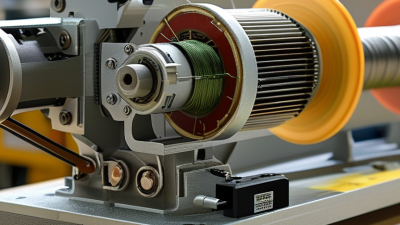
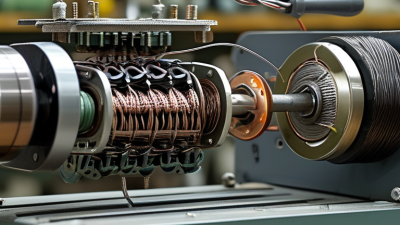
A winding machine forms controlled coils from copper or aluminum wire. It guides the wire around a stator, rotor, transformer bobbin, or custom former. The wire passes through a tensioner, ceramic guide, and traverse system. A servo motor controls rotation, while another axis manages side-to-side placement. Sensors monitor speed, tension, position, and wire breaks. It is precise.
The working sequence is simple, but not always forgiving. The operator loads the former, sets the turn count, selects the wire path, and starts a programmed cycle. The machine then applies each turn at a measured pitch. Excessive tension can stretch insulation or deform the coil. Low tension creates loose layers and poor electrical performance. In my experience, small alignment errors often become expensive failures during testing.
The IEA’s Energy Efficiency 2023 report indicates that motor-driven systems consume more than 40% of global electricity. This keeps efficient motor production commercially important. Industry reports from MarketsandMarkets also identify automation and servo control as major trends in winding equipment. Global buyers should examine repeatability, documented calibration, changeover time, and after-sales training. A low purchase price may hide setup losses. That assumption deserves scrutiny. Reliable machines produce consistent coils, but material quality, operator skill, and maintenance still influence the final result.
Top Winding Machine Manufacturers for Global Buyers? – What Is a Winding Machine and How Does It Work?
A winding machine places wire, yarn, film, foil, or other flexible materials onto a core or form with controlled tension and precise motion. The representative upper operating speeds below vary according to material, product size, winding pattern, and machine configuration.
Textile winding generally operates at the highest speeds, while toroidal and transformer winding require slower, more controlled movement for accuracy and insulation quality.
Main Types of Winding Machines for Industrial Applications
Industrial winding machines form the backbone of many electrical and manufacturing operations. Their designs differ according to material, coil shape, production speed, and tension control. Choosing the wrong type can create uneven layers, damaged insulation, or costly material waste.
Coil winding machines produce precise windings for motors, transformers, solenoids, and generators. Automatic models manage wire tension, spacing, and programmed turns with limited operator input. Toroidal winding machines wrap wire around ring-shaped cores. They suit compact transformers and components requiring low electromagnetic leakage. Filament winding machines place continuous fibers around cylindrical or pressure-resistant structures. These systems depend heavily on controlled angles and consistent resin application. Traverse winding machines guide wire across a spool or bobbin. They work well when orderly layers and adjustable patterns are essential.
Global buyers should examine core size, wire diameter, winding speed, and allowable tension range. A practical factory trial often reveals problems that brochures hide. Ask manufacturers for sample coils, repeatability data, maintenance schedules, and operator training details. Servo-driven systems usually offer accurate positioning, but they may require skilled technicians and cleaner operating conditions. Simpler machines can be easier to repair in remote facilities. However, they may provide fewer automation features. I have found that advertised speed is not always the best performance measure. Stable tension and fast changeovers may improve real production more than maximum revolutions. Safety guards, emergency stops, electrical compliance documents, and accessible spare parts also deserve careful review. Even experienced buyers sometimes underestimate setup time. That mistake can delay an otherwise capable production line.
Leading Winding Machine Manufacturers for Global Buyers
Leading Winding Machine Manufacturers for Global Buyers
Leading winding machine manufacturers serve global buyers through stable engineering, clear documentation, and responsive technical support. Reliable manufacturers explain wire ranges, coil dimensions, winding speeds, and tension controls before quoting. They also provide tested drawings, electrical specifications, and installation requirements. This detail helps buyers compare equipment fairly across different factories and power standards.
Look for manufacturers with proven experience in transformer, motor, stator, or cable winding applications. A capable engineering team should adjust spindle design, tooling, software, and safety guards for each production line. Ask for factory videos, sample coils, inspection records, and references from similar industries. Small details matter. A poorly explained tension setting can create uneven layers, damaged insulation, or frequent rework. Manufacturers should also offer operator training, spare parts, remote troubleshooting, and practical maintenance schedules.
Price alone is a weak measure of value.
A lower quotation may exclude tooling, shipping protection, software updates, or commissioning support. Buyers should examine delivery records and quality-control procedures carefully. Some specifications remain unclear until production begins. That is a risk worth discussing openly. The strongest suppliers welcome technical questions, identify limitations, and revise proposals when the first plan is not realistic.
Key Factors for Comparing Winding Machine Suppliers
Selecting top winding machine manufacturers requires more than comparing catalog prices. Supplier capability matters across accuracy, uptime, service, and application knowledge. The International Energy Agency reports that motor systems consume roughly half of global electricity, making efficient production increasingly important. MarketsandMarkets’ 2024 electric motor market analysis also identifies automation and energy efficiency as major growth drivers. These trends increase pressure on winding equipment to deliver stable tension, precise wire placement, and repeatable cycle times.
Request measured evidence, not attractive promises. Compare winding speed, tension-control accuracy, rejection rates, changeover time, and average recovery time after faults. Ask for production samples using your actual wire, bobbin, insulation, and coil geometry. A machine that performs well during a short demonstration may struggle after eight hours of continuous operation. I would also examine training records, spare-parts availability, software support, and technician response by region. ISO 9001 certification supports process discipline, but it does not guarantee excellent machine performance. That distinction is easy to miss.
Tips: Build a weighted scorecard before requesting quotations. Give service response and sample results more weight than headline speed. Check references from factories with similar coil designs. Review acceptance-test procedures carefully. A lower initial price can hide costly tooling changes, slow troubleshooting, or inconsistent tension. I have seen buyers focus on automation features while overlooking operator training. That is not always a supplier failure. It can reflect an incomplete purchasing specification.
How to Choose the Right Winding Machine Manufacturer
Choosing the right winding machine manufacturer requires more than comparing prices. Start with your product requirements: wire or film type, coil dimensions, winding tension, speed, and production volume. A capable manufacturer should explain how its machine handles your exact materials. Ask for sample winding tests using your actual wire, spool, or insulation. The finished coil should show even layers, stable tension, and clean edges.
Technical support matters after installation. Check the manufacturer’s engineering experience, factory testing process, spare-parts availability, and operator training. Request clear documents, including machine specifications, maintenance schedules, electrical details, and safety procedures. Reliable suppliers should also provide realistic delivery times and measurable performance targets. A polished sales presentation is not enough. Some machines look impressive during demonstrations but perform poorly with delicate materials or frequent size changes.
Tips: Compare total ownership cost, not only the purchase price. Review energy use, tooling costs, software updates, maintenance, and response times. Speak with existing users if possible, and ask what failed during their first year. A useful supplier will discuss limitations openly. That honesty can reveal more than a long feature list. I would also request a trial run before signing, because even experienced buyers can underestimate setup complexity. Leave room for improvement; the cheapest option may become the most expensive one on the production floor.