Best Samatic Winding Machine for Efficient Production?

In today's manufacturing landscape, the efficiency of production processes is paramount. The samatic winding machine stands out as a crucial tool for optimizing production capabilities. Industry expert Dr. Sarah Henderson, a leading figure in automation technology, stated, “The right samatic winding machine can revolutionize production lines.” Her insights highlight the significant impact of these machines on enhancing productivity.

Selecting the best samatic winding machine involves careful consideration of various factors. Companies must assess their specific needs, production volume, and product specifications. The right machine can minimize waste and increase precision, but not all machines are created equal. Some may fall short on performance, leading to inefficiencies.

Moreover, it's essential to remain critical of technology. While advancements in samatic winding machines are impressive, not every innovation delivers promised results. Businesses should remain vigilant and seek machines that truly align with their production goals. Understanding the nuances of this equipment is vital for achieving excellence in production.
Best Samatic Winding Machine for Efficient Production?

Best Samatic Winding Machines: Key Features for Efficiency

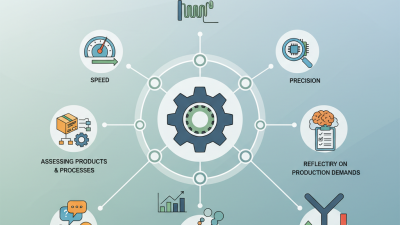
When selecting a samatic winding machine, efficiency is paramount. Efficiency translates to reduced production costs and increased output. According to a report by the International Institute of Production Technology, businesses can improve their winding processes by up to 30% with the right machinery. Key features to consider include the machine's speed, precision, and adaptability to various materials. Speed plays a crucial role in determining how quickly production runs can be completed.

Precision is equally important. Winding errors can lead to wasted materials and time. Machines offering advanced tension control and automated adjustments can significantly minimize errors. Reports indicate that precision enhances overall output by around 25%. Adaptability should not be overlooked. A machine that accommodates multiple wire types reduces downtime during changeovers.

While many machines tout their capabilities, manufacturers must assess each option carefully. A feature-rich machine may not yield benefits if not used properly. Training and understanding how to utilize the equipment can determine your production success. Industry feedback often points to the need for continuous improvements, suggesting that even the best machines require regular upgrades and maintenance to maintain efficiency.

Overview of Samatic Winding Machine Types and Their Applications

The samatic winding machine plays a crucial role in various manufacturing processes. Different types of machines, such as automatic and semi-automatic models, cater to specific production needs. Automatic machines are known for their high-speed operation, significantly increasing productivity. A report by the International Journal of Advanced Manufacturing Technology indicated that automatic machines can improve output by over 30%.

Furthermore, semi-automatic machines offer flexibility, allowing operators to manage multiple tasks. These machines are often more suitable for smaller production runs, balancing efficiency and versatility. According to industry data, about 40% of manufacturers prefer semi-automatic machines for their adaptability. However, one must recognize that investing in technology is not without challenges. Training operators can sometimes be a barrier, impacting the overall efficiency of production processes.

Not all winding machines are created equal. Users often encounter issues like inconsistent winding quality or machine downtime. Addressing these problems is essential for optimizing production outcomes. Regular maintenance and operator training are vital for maximizing the lifespan and functionality of these machines. Companies should constantly evaluate their machines to match evolving production requirements.

Performance Metrics: Speed, Precision, and Material Handling Capacity

When evaluating a samatic winding machine, performance metrics are paramount. Speed plays a crucial role in production efficiency. According to industry data, a machine capable of 1200 RPM can significantly reduce cycle times. This translates to higher output without compromising quality. However, speed should not overshadow precision. A machine that cannot maintain consistent winding accuracy may lead to defects. Reports indicate that a deviation of just 1% can result in a 15% increase in material waste.

Material handling capacity is another vital metric. Machines capable of accommodating diverse types of wires, from fine to heavy gauge, enhance versatility. Recent studies show that models with an adjustable handling mechanism can process up to 30% more materials per shift compared to their fixed counterparts. However, such flexibility often comes at the cost of sophisticated setup processes, which may not be ideal for every operation.

Each machine presents unique challenges. Higher speeds can generate excess heat, potentially affecting performance longevity. In contrast, focusing solely on precision may slow down production and lead to missed deadlines. Thus, finding a balance between speed, precision, and handling capacity is crucial for effective production. Manufacturers must continuously assess their machine’s performance against these metrics to identify areas for improvement.

Market Trends: Top Manufacturers and Their Innovations in Winding Machines

The winding machine market has seen significant innovations lately. Manufacturers focus on improving efficiency and productivity. Recent trends highlight the use of advanced technology, like automation and IoT integration. These tools help in streamlining operations. Automated winding machines reduce human error and enhance precision.

In the realm of winding machines, smaller manufacturers are also stepping up. They bring fresh ideas aimed at cost-effectiveness. Some focus on sustainable practices, like using eco-friendly materials. This shift reflects a growing awareness of environmental impact. Innovation is also found in design, making machines easier to operate and maintain.

When selecting a winding machine, consider your specific needs. An efficient machine can drastically speed up production. Look for features that enhance durability and performance. Evaluate how easily the machine integrates into your existing workflow. A thoughtful approach can lead to better long-term results. Focus on reliability and ease of use to avoid unexpected repairs.

Case Studies: Productivity Gains from Advanced Samatic Winding Solutions

In the fast-paced world of manufacturing, advanced winding solutions have demonstrated remarkable potential in boosting productivity. Case studies reveal how companies adopting these state-of-the-art machines have significantly reduced production times. In one instance, a mid-sized manufacturer upgraded to a high-efficiency winding machine. Their output increased by 30% within just six months. This sudden spike in productivity was not merely about speed; it centered on precision and minimized waste.

Another case highlights a company struggling with consistent quality. After transitioning to an advanced winding system, they reported a notable drop in defects. Their error rate fell to less than 2%. However, it’s crucial to note that not all transitions are seamless. Some companies faced initial challenges, such as adapting to new processes. Employee training took longer than expected, and initial disruptions were frustrating. But over time, these investments paid off, showcasing the importance of patience in embracing change.

Understanding the nuances of winding technology can provide lasting benefits. Companies that delve deeper into effective machine utilization often find themselves at an advantage. However, it’s essential to approach upgrades with caution. An over-reliance on technology without proper training can lead to setbacks. Balancing innovation with employee engagement is key for sustainable growth.

Productivity Gains from Advanced Samatic Winding Solutions