10 Essential Tips for Using an Automatic Motor Winding Machine?

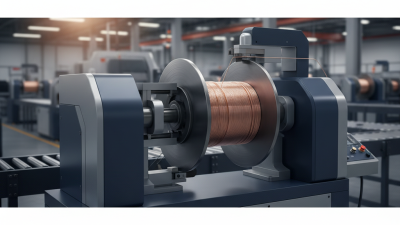
Using an automatic motor winding machine can significantly enhance productivity in manufacturing. This machine streamlines the winding process, making it faster and more efficient. Understanding how to operate such machinery is crucial. Proper usage can lead to excellent results, while mistakes can cause delays or damage.

Many operators overlook the importance of regular maintenance. This oversight can lead to unexpected breakdowns. Familiarity with the machine's specifications helps in troubleshooting issues promptly. Additionally, continuous learning about the latest advancements in automatic motor winding technology is essential for optimizing production.

Precision in winding directly affects the quality of the final product. Misaligned windings can result in rework, impacting overall efficiency. Operators must always pay attention to detail. Investing time in mastering the automatic motor winding machine leads to better outcomes. Embracing both practical and theoretical knowledge creates a well-rounded approach to the winding process.
10 Essential Tips for Using an Automatic Motor Winding Machine?

Understanding the Basics of Automatic Motor Winding Machines

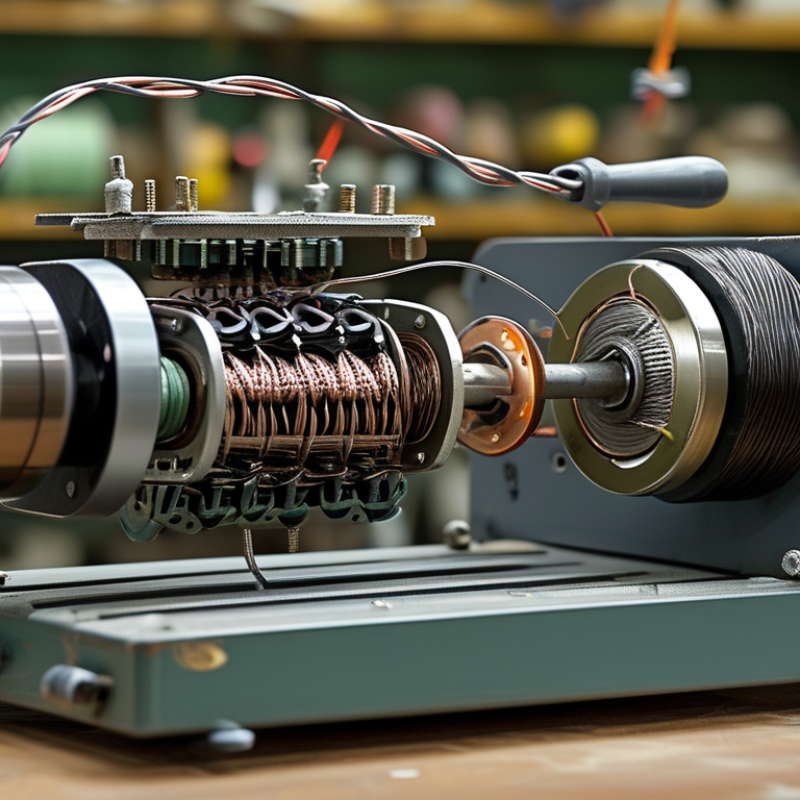
Understanding the basics of automatic motor winding machines is crucial for optimizing your manufacturing process. These machines automate the winding of wire onto a rotor or stator, significantly enhancing production efficiency. According to industry reports, automated winding systems can increase output by up to 50%. This is particularly notable in high-demand sectors like electric motors and generators.

An automatic motor winding machine operates on precise programming and adjustment capabilities. The wire tension, winding speed, and coil arrangement can be tailored to specific applications. However, many operators overlook the importance of regular maintenance. Without it, the machines can lose efficiency, leading to production delays. Inconsistent winding can also lead to product defects, resulting in increased costs and scrap rates.

Training staff on the software and operating procedures of these machines is equally essential. Misapplications can occur if operators lack experience or proper knowledge. Interestingly, studies show that about 30% of winding line inefficiencies stem from operator errors. Investing in training might seem costly but can save money in the long run through improved quality and reduced waste.

Choosing the Right Machine for Your Specific Winding Needs

When selecting an automatic motor winding machine, clarity in your needs is crucial. Assess the type of motors you plan to wind. The machine should be compatible with your motor sizes. Consider the winding techniques you need. For instance, different machines excel in specific winding patterns. Such distinctions can greatly impact efficiency.

Ease of operation is another factor. Some machines offer intuitive interfaces while others may have steep learning curves. Operators must feel comfortable using the equipment. Maintenance is essential as well. Look for machines that require minimal upkeep but still deliver precision. User feedback can be invaluable here. Gather opinions from those with hands-on experience.

Lastly, budget constraints can influence your choice. High-end machines offer advanced features but may not be necessary for every application. Think about future growth. A less sophisticated machine might limit your production capabilities down the line. Balancing cost and capability is a journey in itself, and it may require adjustments along the way.

Setting Up Your Automatic Motor Winding Machine Properly

Setting up an automatic motor winding machine correctly is crucial for optimal performance. Proper configuration can help prevent errors and improve efficiency. Begin by reading the manual thoroughly. Understanding the machine's components is essential. Familiarize yourself with the wiring diagrams and controls. It may seem overwhelming, but taking the time to learn reduces mistakes later.

One tip is to ensure the workspace is clean. A cluttered area can lead to distractions and accidents. Position the machine in a well-lit section. Good visibility aids accuracy. Additionally, check that all tools are organized and accessible. This practice saves time during setup.

Don't overlook the calibration process. An improperly calibrated machine can produce faulty windings. Use gauges to verify settings. Adjust as necessary, keeping detailed records of changes. Reflecting on past setups may highlight recurring issues. Learning from these moments fosters continuous improvement. Each step counts towards quality production, so pay close attention to detail.

Performance Metrics of Automatic Motor Winding Machines

This bar chart illustrates the efficiency and setup time of different automatic motor winding machines based on various parameters. Understanding these metrics can help you optimize your usage of these machines.

Key Maintenance Practices for Long-Term Machine Performance

Maintaining an automatic motor winding machine is crucial for achieving optimal performance. Regular check-ups and timely repairs can significantly extend the machine's lifespan. According to a recent industry report, proper maintenance can enhance machine efficiency by up to 25%. This means that neglecting maintenance could lead to performance declines, ultimately affecting production output.

Basic practices include regular lubrication and cleaning. Dust and debris can clog critical components. Regular lubrication reduces friction between moving parts. Ideally, this should be done every few months, depending on usage frequency.

Additionally, operators should conduct visual inspections to identify signs of wear and tear. If belts or gears show signs of damage, replacing them promptly is vital to prevent breakdowns.

Documentation of maintenance activities is essential. Keeping detailed logs helps track issues and solutions over time. Surprisingly, many organizations overlook this step. Without records, identifying recurrent issues becomes challenging, leading to costly repairs.

Investing in training for staff is another key maintenance practice. Well-trained personnel can better recognize early warning signs, ensuring issues are addressed proactively.

Safety Precautions When Operating Winding Machines

Using an automatic motor winding machine can streamline production, but safety cannot be overlooked. Always wear appropriate personal protective equipment (PPE), including gloves and safety goggles. Equip yourself with ear protection, as these machines can be loud during operation. This awareness is crucial; repeated exposure can lead to hearing loss.

Before starting the machine, inspect the area for hazards. Ensure that the workspace is free of clutter and obstructions. Look for any loose tools or materials that might create a trip hazard. Check the machine for any signs of wear or damage, as this may lead to mechanical failures. A quick inspection can save you from serious accidents.

Keep all hands and loose clothing away from moving parts. This simple step can prevent severe injuries. Remember, shortcuts may seem efficient but often lead to mistakes. Train thoroughly on the machine's operation before use. It's vital to understand both the functioning and the risks involved. Regular safety drills can reinforce this knowledge.