2026 How to Choose the Best Motor Winding Automatic Machine?
Selecting the right motor winding automatic machine is critical for manufacturing efficiency. In recent years, the industry has witnessed significant advancements in automation technology. According to reports, the global market for motor winding machines is expected to grow by over 8% annually, reaching $1.2 billion by 2025. This growth reflects the increasing demand for precision and speed in various applications.
When choosing a motor winding automatic machine, consider factors such as production volume, required precision, and the types of windings needed. Not all machines are created equal. Some may excel in speed but lack precision, while others might be highly accurate but slow. Striking a balance between these attributes is essential for optimizing performance.
Moreover, it is important to evaluate the manufacturer’s reputation in the industry. A well-established provider can offer better support and training. However, emerging technologies also pose challenges. Newer machines may present a steep learning curve. Ensuring that your team is adequately trained will mitigate these risks. Aim for a machine that aligns with your specific needs for a successful investment.
Understanding Motor Winding Automatic Machines and Their Functions
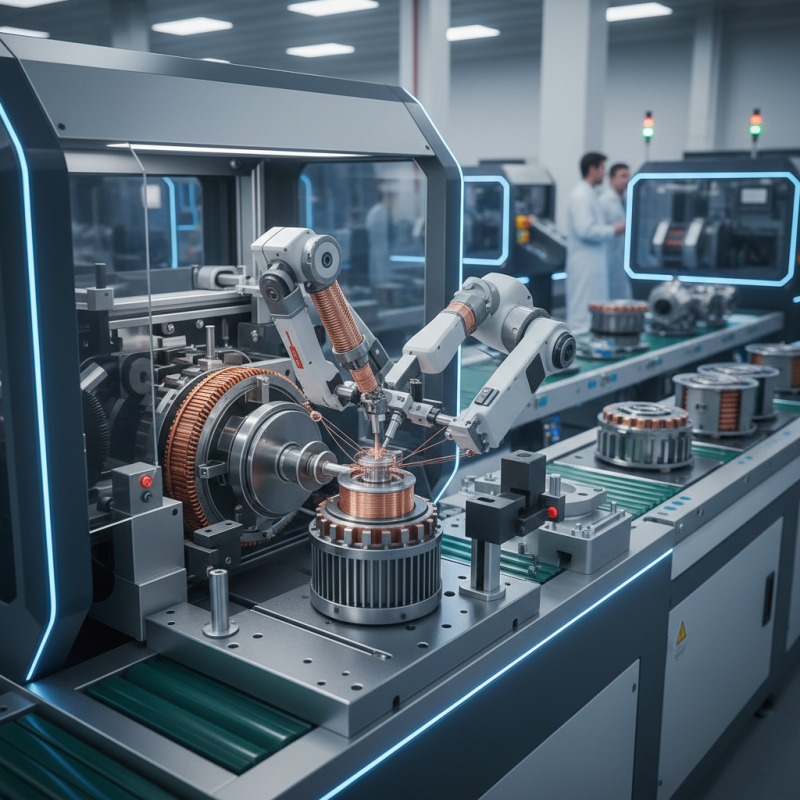
Motor winding automatic machines play a crucial role in the manufacturing of electric motors. These machines are designed to enhance productivity and ensure precision in winding operations. According to a report by Markets and Markets, the global market for such machines is expected to grow at a CAGR of around 7.5% from 2021 to 2026. This demonstrates the increasing reliance on automation in motor manufacturing.
Understanding how motor winding machines function is essential. These machines can automate the processes of placing and wrapping wire around the stator or rotor. This leads to reduced labor costs and improved quality of the winding process. A detailed analysis indicates that automated systems can achieve a winding accuracy rate exceeding 95%. However, one must also weigh the hidden costs. Maintenance and training for staff to operate these machines can quickly add to overall expenditures.
Choosing the right machine involves careful consideration of production needs. Some machines are versatile, while others serve specific winding configurations. It's crucial to assess your production volume and the complexity of motor designs. For instance, selecting a machine that cannot adapt to future needs may lead to regrets. Flexibility in design can ensure longevity. Balancing precision, cost, and adaptability is vital for success in the evolving motor manufacturing landscape.
2026 Motor Winding Automatic Machine Selection Overview
This chart represents the key selection criteria for choosing the best motor winding automatic machine in 2026, rated from 1 to 10 based on their importance. The criteria include efficiency, cost, ease of use, durability, and speed.
Key Factors to Consider When Selecting a Motor Winding Machine
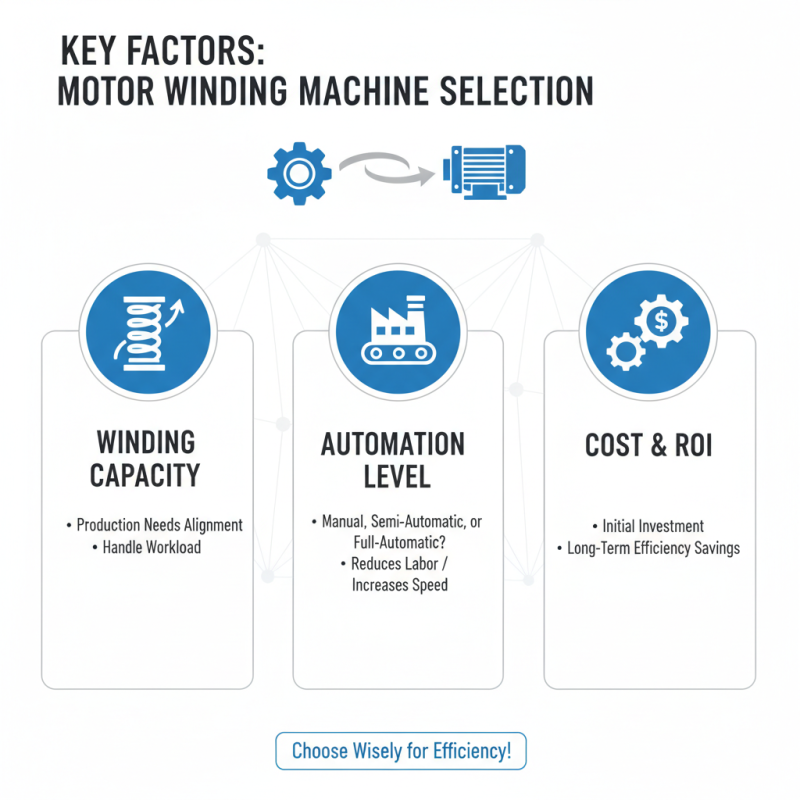
Choosing the right motor winding automatic machine can be daunting. You must consider several critical factors. For instance, the machine's winding capacity is paramount. It should align with your production needs. A machine that cannot handle your workload can lead to inefficiencies and frustrations.
Another essential factor is precision. Devices vary in how accurately they wind coils. Poor precision can result in defects, affecting motor performance. Always check for features like programmable settings. These allow for adjustments based on specific winding requirements. Flexibility in design can also enhance your operation's productivity.
Finally, assess the support provided by the manufacturer. A reliable company will offer solid after-sales service. This assurance is vital for maintenance and troubleshooting. Investing time into research can prevent future challenges. There's often a trade-off between cost and quality. You may find value in machines that seem more expensive upfront. Reliability often yields significant long-term savings.
Types of Motor Winding Machines: A Comparative Overview
When selecting a motor winding machine, understanding the different types is crucial. Two common types are manual and automatic machines. A recent industry report indicates that automatic machines increase productivity by up to 30%. This efficiency can lead to higher output and lower labor costs. However, they often come with a higher initial investment, which may be a barrier for small manufacturers.
Another noteworthy category includes CNC winding machines. These machines use computer numerical control for precision. Data shows that CNC machines can achieve a winding accuracy of 0.01 mm. This level of precision is essential for high-performance motors. Yet, they require skilled operators and regular maintenance, presenting challenges for some users. A balance between investment and operational capability should be carefully evaluated.
Energy efficiency is another factor to consider. Some winding machines may consume excess energy during operation, affecting overall costs. Studies reveal that smart winding machines with real-time data monitoring can reduce energy usage by approximately 20%. Investing in energy-efficient technology pays off in the long run. However, the upfront cost may delay recovery. Each choice comes with its complexities and requires thoughtful consideration.
2026 How to Choose the Best Motor Winding Automatic Machine?
| Type | Max Wire Diameter (mm) | Speed (RPM) | Voltage (V) | Features |
|---|---|---|---|---|
| Automatic Coil Winding Machine | 0.2 - 2.5 | 6000 | 220 | Programmable, Multi-layer capability |
| Digital Winding Machine | 0.3 - 1.5 | 5000 | 110 | Touchscreen Control, Easy setup |
| High-speed Winding Machine | 0.1 - 2.0 | 8000 | 380 | High Efficiency, Low Noise |
| Universal Winding Machine | 0.5 - 3.0 | 4000 | 220 | Versatile, Easy-to-change setup |
Evaluating the Performance and Efficiency of Winding Machines
Choosing the right motor winding automatic machine hinges on its performance and efficiency. Manufacturers often overlook the importance of evaluating these aspects. A study by the International Journal of Advanced Manufacturing Technology notes that efficiency in winding machines affects overall productivity. Reports indicate an efficiency improvement of up to 20% when newer technologies are implemented.
Performance metrics include speed, accuracy, and reliability. A winding machine's ability to produce consistent results directly impacts production quality. Data from industry analyses reveal that machines with a precision rate of 99% can reduce material wastage, saving costs significantly. Yet, many companies find it challenging to attain these standards. They often invest in outdated technology due to budget restraints, which can lead to long-term inefficiencies.
Evaluating machines based solely on initial cost can be misleading. Consider the total cost of ownership, including maintenance. The downtime caused by unreliable machines can exceed initial savings. Studies show that companies who focus on long-term gains experience a reduction in operational costs by 15-25%. Therefore, a balanced approach is essential when selecting the best motor winding automatic machine.
Budget and Cost Considerations for Purchasing Winding Equipment
When considering the acquisition of motor winding automatic machines, cost and budget are critical. A recent industry report indicates that the average price range of winding machines can vary from $10,000 to $100,000, depending on features and capabilities. This disparity often stems from the machine's automation level and production efficiency.
Businesses must assess their production needs carefully. For smaller operations, a mid-range machine may suffice. In contrast, larger manufacturers might require high-capacity models with advanced features. Investing in a machine that underperforms can lead to increased costs and inefficiencies. Additionally, maintenance and repair expenses should factor into the budget. Around 10% of the initial investment can go toward upkeep over the machine’s lifecycle.
It's important to reflect on long-term ROI. Investing in high-quality winding equipment may pose an upfront financial challenge. However, this can lead to greater production reliability and output. Choosing a machine that's too cheap could result in frequent breakdowns, affecting productivity. Evaluating not just the purchase price but the total cost of ownership is essential. Consider factors like energy consumption, workforce training, and potential downtime.
Related Posts
-
How to Choose the Best Motor Coil Winding Machine for Your Needs in 2025
-
Essential Tips for Choosing the Right Motor Winding Machine for Your Needs
-
Essential Tips for Choosing the Best Motor Coil Winding Machine
-
How to Choose the Best Micro Coil Winding Machine for Your Needs
-
Revolutionizing Efficiency How Motor Winding Automatic Machines Transform Manufacturing
-
What is an Auto Winding Machine? Exploring Efficiency and Precision in Coil Production