China Best Road Winding Machine for Efficient Manufacturing Solutions?

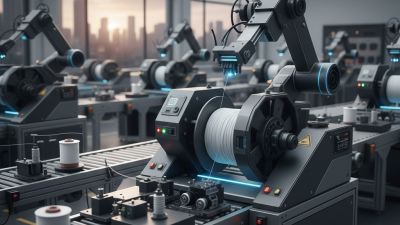
The demand for efficient manufacturing solutions is growing rapidly in today's industrial landscape. One key piece of equipment that drives this efficiency is the road winding machine. China has become a leader in producing these machines, known for their advanced technology and reliability.

These machines play a crucial role in various manufacturing processes. They help in organizing and managing materials, improving workflow, and reducing waste. However, not all road winding machines are created equal. Their effectiveness can vary based on the design, technology, and the manufacturer’s expertise.

Many manufacturers are still navigating the complexities of choosing the right road winding machine. It’s vital to research and evaluate the options available. Users should consider factors such as durability, ease of use, and support services from the manufacturer. This careful approach can help businesses maximize their investment and enhance their efficiency in production environments.
China Best Road Winding Machine for Efficient Manufacturing Solutions?

China’s Leading Innovations in Road Winding Machine Technology

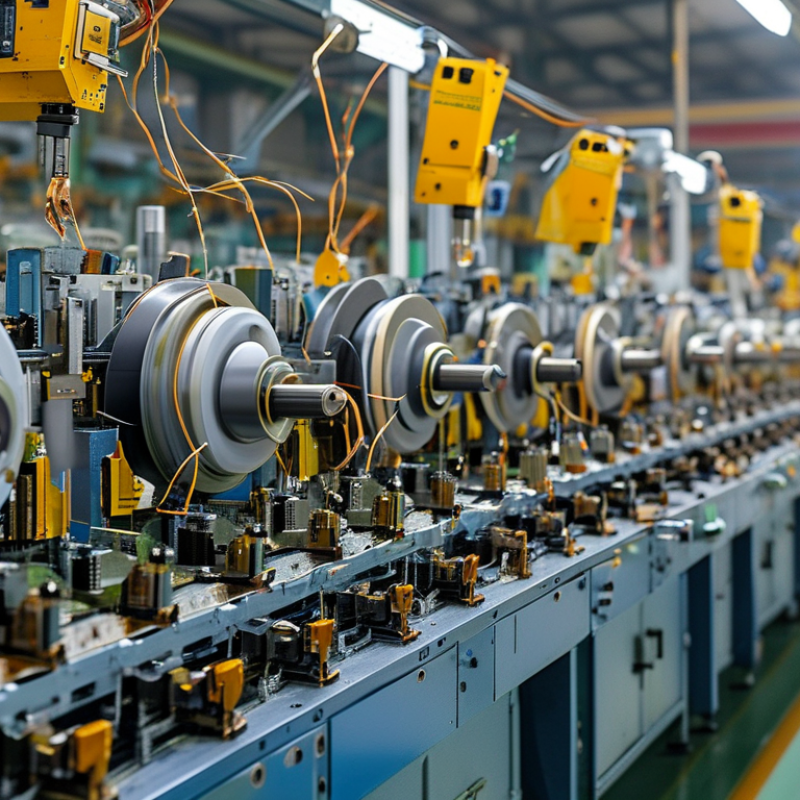
China's advancements in road winding machine technology have transformed the manufacturing landscape. These innovations focus on efficiency and precision. Manufacturers benefit from machines that streamline production processes, resulting in reduced waste and improved output quality. Many companies are adopting automated systems for winding roads, enhancing their operational capabilities.

The integration of smart technology into winding machines is noteworthy. Real-time data analytics provide insights into performance, leading to proactive maintenance and reduced downtime. However, the rapid pace of innovation raises questions about skill gaps among workers. Training programs must evolve to keep pace with these technological changes.

Moreover, while these machines are designed for efficiency, they aren't perfect. Some systems may require frequent adjustments. User experience can vary, leading to frustration in some cases. Continuous feedback loops from operators can help refine these technologies further. The journey towards optimal manufacturing solutions is ongoing, with room for improvement in every aspect.

Key Features of Efficient Road Winding Machines in Manufacturing

Efficient road winding machines play a crucial role in modern manufacturing. They streamline the production process, reducing downtime and labor costs. Research indicates that companies employing advanced winding technology can reduce operational costs by up to 30%. This highlights the importance of choosing the right machine for specific production needs.


Key features of efficient winding machines include variable speed controls and automated tensioning systems. Variable speeds allow for flexibility in material handling, accommodating various product specifications. Automated tensioning ensures consistent quality, minimizing waste. According to industry experts, manufacturers that utilize these features report a 25% increase in production efficiency. The adaptability of these machines can significantly impact workflow.


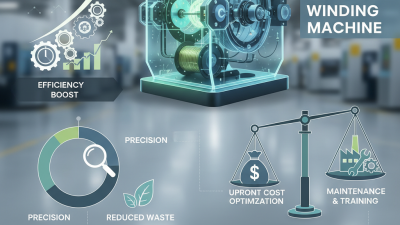
However, not all road winding machines are created equal. Some may lack advanced features, leading to inconsistent results. Choosing a reliable machine involves considering not just upfront costs, but long-term performance and maintenance. The initial investment may seem high, but the potential for increased throughput justifies the expense. Thoughtful selection based on these criteria can yield superior outcomes in manufacturing processes.

Market Demand and Growth Trends for Road Winding Machines in China

The market for road winding machines in China is witnessing significant growth. This increase is driven by rising infrastructure projects, such as highways and bridges. As the demand for efficient manufacturing solutions rises, manufacturers must stay ahead of trends.


Investing in the right technology is crucial. Choose machines that ensure high precision in wire winding. Efficiency is vital for reducing production costs. Tips for optimizing your machine include regular maintenance and operator training. These small steps can greatly enhance productivity.


Market exploration is also essential for success. Understanding local needs helps tailor solutions. Companies must adapt to regional variations in demand. Don't overlook competition; staying unique is key. Reflect on your methods and seek continuous improvement.

Impact of Automation on Road Winding Machine Efficiency and Output

The impact of automation on road winding machines is significant. Automation enhances efficiency, helping manufacturers meet growing demands. According to a recent industry report, automated systems can boost production speed by up to 30%. This improvement translates to reduced operational costs and higher output levels.

However, integration challenges remain. Many manufacturers face hurdles in transitioning to automation. Worker retraining is essential yet often overlooked. For instance, reports indicate that nearly 50% of employees struggle with new technologies. Efficiency gains may be offset by initial disruptions and the need for further training.

Data suggests that fully automated road winding machines can achieve up to 99.7% accuracy. Yet, humans still play a role in quality control. Balancing automation and human oversight is crucial for sustainable growth. The journey toward a fully automated facility requires careful consideration of both technology and workforce dynamics.

Case Studies: Successful Implementations of Winding Machines in Industry

In recent years, winding machines have become vital in various industries. Their efficiency can significantly enhance production rates. A report by the International Society of Automation highlights that automation in winding processes can improve productivity by up to 30%. Such enhancements save time and reduce labor costs.

Successful case studies illustrate these advantages well. For instance, a leading automotive manufacturer upgraded its winding machines. The results? A notable 25% reduction in cycle time. However, some companies faced integration challenges. These firms reported delays due to the need for staff training and system compatibility. Such hurdles remind us that while technology is beneficial, careful planning and implementation are essential for success.

Moreover, the adoption of advanced winding technology has expanded into renewable energy sectors. Wind turbine manufacturers have increased output by 40% after implementing automated winding solutions. Yet, the journey is not without its pitfalls. Some plants experienced equipment failures, resulting in costly downtimes. These instances emphasize the need for ongoing maintenance and monitoring to maximize efficiency.