Top Automatic Coil Winding Machine Manufacturers in China?
China is a major sourcing destination for manufacturers of coil-winding equipment, but choosing a supplier takes more than comparing catalog prices. An automatic coil winding machine may handle transformer coils, motor windings, or other production tasks, and each application places different demands on the equipment. Small details matter. Wire diameter, winding tension, spindle count, and changeover time can affect both output and consistency.
This guide introduces leading automatic coil winding machine manufacturers in China and explains how to assess their capabilities. It focuses on practical checks: whether a supplier can demonstrate a comparable winding process, provide clear machine specifications, and support installation, training, and spare parts. Ask for sample coils or a machine trial when possible. A polished video is useful, but it cannot replace a close look at winding accuracy, wire handling, and repeatability. Not every line fits.
The right choice depends on your product, production volume, and operators’ experience. A high-speed model may not be the best fit for frequent design changes. Buyers should also confirm what is included in the quotation, from tooling and software to commissioning and after-sales service. Some specifications are easy to compare; service quality is harder to judge before purchase. That deserves scrutiny. The manufacturers discussed here should therefore be treated as candidates for evaluation, not as a universal ranking. Verify current capabilities directly, and match each machine to real production requirements before making a decision.
What Is an Automatic Coil Winding Machine?
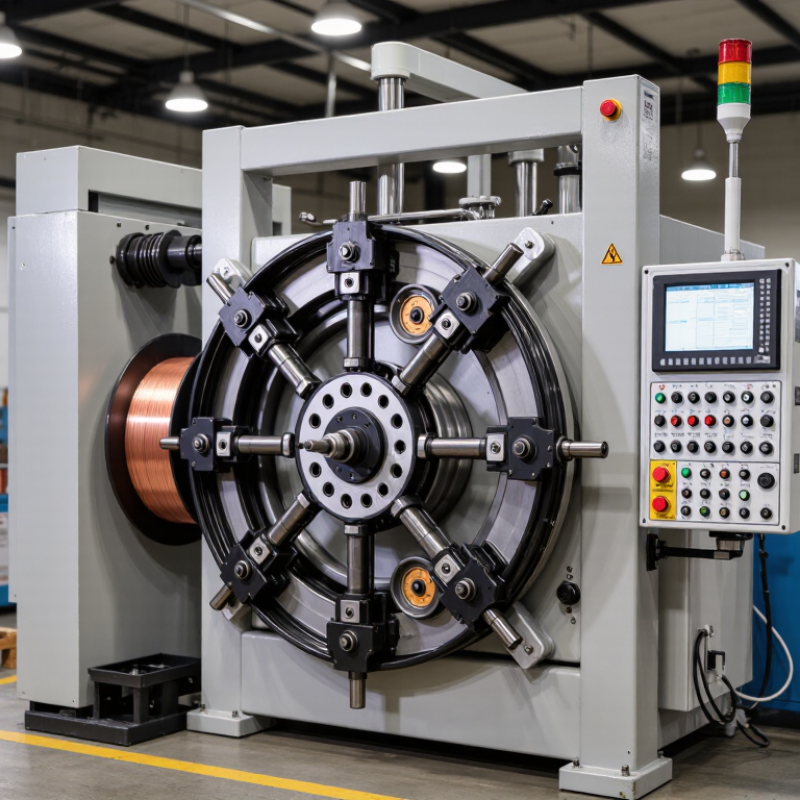
An automatic coil winding machine forms insulated wire into coils with controlled turns and placement. A motor rotates a bobbin or former while a guide moves the wire across its surface. The controller sets winding speed, turn count, direction, and traverse width. A tensioning unit helps keep the wire from sagging or stretching. Small changes matter. Uneven tension can affect coil shape and fit.
These machines are used to make coils for motors, transformers, sensors, and other electrical components. Depending on the machine and tooling, operators can store winding programs and repeat settings for production batches. However, automation does not remove the need for setup. The correct former, wire path, and tension must match the coil design. A rushed setup can produce crossed turns or damaged insulation. In practice, even a carefully programmed machine may need adjustment after the first sample; that step is easy to underestimate.
Tips: Check the finished coil’s turn count, spacing, and insulation condition before running a full batch. Keep a record of settings that work. Small notes can prevent repeat mistakes.
How Automatic Coil Winding Machines Work
An automatic coil winding machine turns insulated wire into a controlled pattern around a bobbin or core. A motor rotates the spindle, while a guided wire feed moves from side to side. The controller coordinates spindle speed, wire position, and programmed turn count. A tensioner keeps the wire taut, but not so tight that insulation is damaged. At each layer, the guide shifts its path to reduce gaps and overlaps. Small changes matter.
The International Energy Agency’s 2011 report, Energy-Efficiency Policy Opportunities for Electric Motor-Driven Systems, estimated that these systems use about 46% of global electricity. That figure does not describe winding machines alone, but it highlights why motor control and operating efficiency matter in manufacturing. In practice, operators check the first winding for crossed turns, uneven edges, and loose wire before running a full batch. Sensors can flag faults, though setup quality still shapes the result. It is easy to trust the display too much.
Tips: Match wire tension and traverse speed to the wire diameter and bobbin width. Inspect the first few layers under good lighting. A clean-looking coil is useful, but electrical testing is still needed.
Main Machine Types and Their Industrial Applications
Automatic coil winding machines differ by how they guide wire and support the workpiece. Flyer winding machines rotate a flyer around a stationary bobbin. They suit small transformers, relays, and other compact components. Needle winding machines feed wire through a moving needle, making them useful for stators with narrow slots. The setup can reduce wire damage, but tooling must match the slot geometry.
Toroidal winding machines wrap wire around ring-shaped cores. They are common in power supplies and audio equipment, where consistent turns matter. Linear winding machines guide wire along a straight path and often serve transformer and inductor production. For electric motors, dedicated stator or rotor winding systems handle heavier wire and repeatable coil placement. Not every factory needs maximum speed. Changeover time and operator access matter too.
How to Evaluate Coil Winding Machine Manufacturers in China
When comparing automatic coil winding machine manufacturers in China, evaluate the process they can support, not just the machine’s advertised speed. Request the usable wire diameter, bobbin dimensions, winding range, and tension-control specifications in writing. Then check whether these match your actual production drawings. Small differences matter.
Ask for a trial using your wire and bobbin, and inspect the finished coils for even layers, consistent tension, and accurate turns. Watch the machine handle a changeover: how long does setup take, and can an operator adjust parameters without guesswork? Review the acceptance-test procedure, electrical drawings, spare-parts list, and training plan. A polished demonstration is useful, but it may not reflect a full production shift. I would also ask how faults are logged and what response time service support can realistically provide. No checklist catches every mismatch.
Tips: Share sample parts and target tolerances before requesting a quote. Compare the same test conditions across suppliers, and keep the trial results. If a specification is unclear, get it clarified in writing; that extra step can feel slow, but it often prevents expensive assumptions.
Notable Automatic Coil Winding Machine Manufacturers in China
Notable automatic coil winding machine manufacturers in China are best judged by process control, not brochure claims. The International Energy Agency’s Electricity 2025 report projects global electricity demand will grow by an average of 3.9% annually from 2025 to 2027. That outlook supports continued need for motors, transformers, and their wound components, though it does not guarantee orders for any single machine maker. Buyers should compare wire-diameter ranges, winding tension control, spindle configuration, and recipe storage. Details matter. A loose tension setting can leave uneven turns on a bobbin; poor changeover design can slow a busy line.
Ask shortlisted suppliers to wind your actual wire and core, then inspect layer placement, lead routing, and repeatability across several runs. Request a documented acceptance test, spare-parts list, and training plan. A neat sample is not a production shift. I would also check how quickly technicians respond to faults, since a small sensor failure can stop a whole station. Specifications alone rarely reveal that.
Tips: Bring real production drawings and wire samples to the trial. Record cycle time, scrap, and setup time—not just the machine’s advertised speed. Leave room for doubt; one successful demonstration cannot prove long-term stability.
Related Posts
-
China Top Coil Winding Machine Manufacturers Guide
-
10 Tips for Choosing the Right Coil Winding Machine?
-
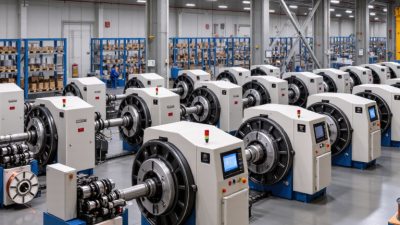
China Top Coil Winding Machine Manufacturers
-
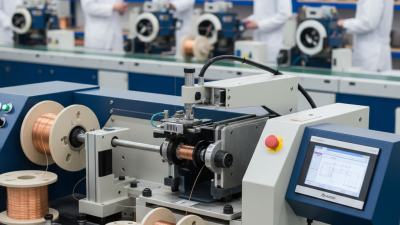
How to Choose the Right Wire Coil Winding Machine for Your Needs?
-
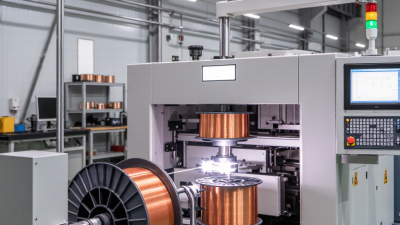
What Is the Best Automatic Winding Machine from China?
-
7 Tips for Choosing an Automatic Winding Machine