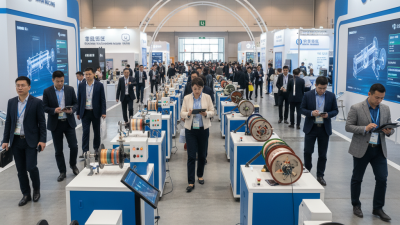

2026 Best Automated Machine Types for Global Buyers?

Global buyers entering 2026 face a wider choice of automated machine technologies than ever before. CNC machining centers, robotic packaging systems, automated guided vehicles, and vision inspection equipment now serve factories of different sizes. Each option promises higher productivity, yet the right purchase depends on measurable needs.

A reliable evaluation should begin with production volume, material type, floor space, labor availability, and service access. For example, a food processor may need stainless steel surfaces, quick cleaning, and accurate filling controls. A metalworking supplier may prioritize spindle stability, tool-changing speed, and software compatibility. These details often matter more than impressive demonstrations at trade shows.

Real purchasing experience also reveals a difficult truth: the most advanced system is not always the best investment. A low-cost automated machine may create maintenance delays if local technicians cannot repair it. A premium model may remain underused when demand changes seasonally. Buyers should examine total ownership costs, operator training, spare-part supply, safety certifications, and realistic return periods. Ask for production samples. Review references from comparable factories.

This guide compares leading machine types for global buyers in 2026. It considers practical applications, integration challenges, energy use, controls, and supplier reliability. Some recommendations may need adjustment. Markets differ, and published specifications can hide operational limits. Careful testing remains essential before signing a major purchase agreement. Small errors become expensive quickly.
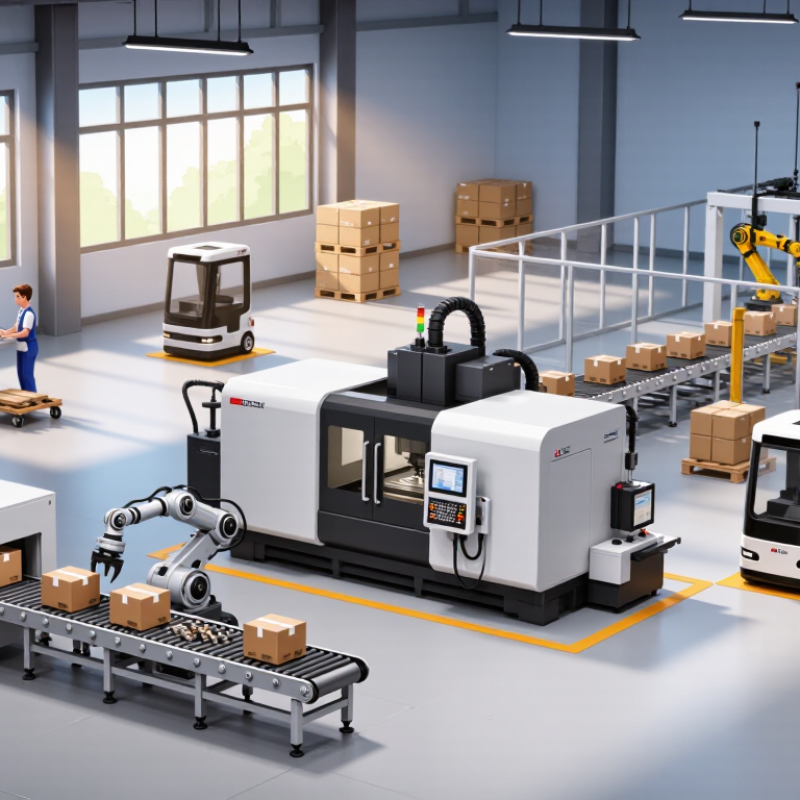
2026 Best Automated Machine Types for Global Buyers?

What Automated Machines Are and Why Global Buyers Need Them

Automated machines are equipment that senses inputs, follows programmed steps, and adjusts output with limited human intervention. They include robotic cells, CNC systems, packaging lines, inspection units, and warehouse conveyors. Their value is practical: steadier cycle times, fewer repetitive injuries, and traceable production records. Still, automation is not magic.

541,302

industrial robots were installed worldwide in 2023.

4.28 million

robots were operating globally.

The International Federation of Robotics reported 541,302 industrial robots were installed worldwide in 2023. Its World Robotics 2024 report also recorded about 4.28 million robots operating globally. These figures show strong demand, but they do not prove every project succeeds. A buyer must match the machine to the task. Check cycle time, payload, accuracy, power supply, guarding, software compatibility, and local service capacity. A fast machine is useless if spare parts wait six weeks at a port.

Deloitte’s 2023 Smart Manufacturing and Operations Survey found that 86% of surveyed manufacturers expected smart manufacturing to become a major competitiveness driver within five years.

That expectation explains why global buyers examine automated machines beyond purchase price. They want measurable uptime, quick changeovers, operator training, and reliable data. Ask for factory acceptance records and sample products, not attractive videos. Compare energy use per unit, maintenance hours, and reject rates. One uncomfortable truth remains: many buyers underestimate integration work. Sensors may disagree, workers may resist new screens, and imported settings may not fit local conditions. Pilot testing costs time, yet skipping it often costs more.

How to Classify Automated Machines by Function and Industry

2026 Best Automated Machine Types for Global Buyers?

How to Classify Automated Machines by Function and Industry

Automated machines are easier to compare when classified by their main function. Handling systems move cartons, pallets, or components between workstations. Processing machines cut, form, weld, fill, or assemble materials. Inspection systems use cameras, sensors, or measurement tools to detect defects. Packaging equipment then counts, seals, labels, or palletizes finished goods.

Industry changes the practical requirements. Food processors often need washable surfaces, controlled contamination risks, and precise filling. Automotive plants may prioritize robotic assembly, torque control, and traceable inspection records. Pharmaceutical production requires strict validation, cleanable structures, and documented process control. Warehouses usually focus on sorting speed, storage density, and safe interaction with workers.

A machine’s function should never be judged alone. Check its input materials, output rate, changeover time, maintenance access, and operator interface. A fast system can become expensive if cleaning takes several hours. Energy use also matters, especially where utilities are unstable or costly. Global buyers should request safety documents, installation conditions, training plans, spare-part lists, and compliance evidence for the destination market.

In real projects, classification is not always neat. One machine may process, inspect, and package products in one line. That sounds efficient, but it can increase downtime when one module fails. I have seen specifications emphasize peak capacity while ignoring small-batch changeovers. That gap deserves careful questioning before purchase. Local technicians, language support, and remote diagnostics may influence reliability more than impressive cycle-time figures.

Key Machine Types for Manufacturing, Packaging, and Material Handling

2026 Best Automated Machine Types for Global Buyers?

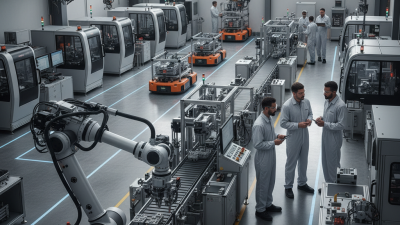
Manufacturing buyers are prioritizing flexible automation, not isolated machines. The International Federation of Robotics reported 541,302 industrial robots installed worldwide in 2023. Robotic welding cells, CNC loading systems, and vision-guided assembly lines can reduce repetitive labor and improve consistency. However, integration quality often matters more than robot speed. A fast arm still fails when fixtures, sensors, or software are poorly matched.

Packaging automation is becoming more modular. Consider vertical form-fill-seal machines, cartoners, case packers, and robotic palletizers for changing product sizes. These systems can support shorter production runs and reduce manual handling. Material handling also deserves equal attention. Automated storage and retrieval systems, autonomous mobile robots, conveyors, and intelligent sorters can improve warehouse flow. MHI’s 2024 Annual Industry Report found that 55% of supply chain professionals planned to increase technology investment. That signal is strong, but implementation remains uneven.

Tips: Match the machine to your real throughput, floor space, and labor skills. Request total cost data, including tooling, energy, maintenance, integration, and training. Verify safety certifications for every destination market. Test sample products before signing. A pilot run exposes problems early. Do not trust impressive cycle-time claims alone. In practice, changeover delays can erase expected savings. Even experienced buyers sometimes underestimate software compatibility. That deserves a second look.

How AI, Robotics, and Connectivity Improve Machine Performance

2026 Best Automated Machine Types for Global Buyers?

How AI, Robotics, and Connectivity Improve Machine Performance

In 2026, automated machining centers, robotic assembly cells, and smart packaging systems will attract global buyers. Their value depends on useful performance, not impressive specifications. AI can detect tool wear, uneven surfaces, and unusual vibration during production. This allows operators to adjust processes before defects become expensive. In practice, stable sensor data matters more than flashy software features.

Robotic systems improve repetitive handling, welding, inspection, and palletizing tasks. They can maintain consistent movement across long shifts and reduce exposure to physical hazards. Connected machines also share production data with maintenance and quality teams. A supervisor may see rising motor temperature from a remote dashboard before failure occurs. That warning can protect delivery schedules and reduce emergency repairs.

However, automation is not magic. Poor data creates poor decisions. Some factories also underestimate worker training, network security, and spare-part access. I have seen efficient equipment lose value because operators could not interpret its alerts. Buyers should test machines with real materials, changing temperatures, and ordinary production errors. A successful trial should measure cycle time, energy use, downtime, maintenance response, and product consistency. The “best” machine may not be the fastest. It may be the one local teams can operate reliably, repair safely, and improve over time.

What Global Buyers Should Evaluate Before Choosing a Machine

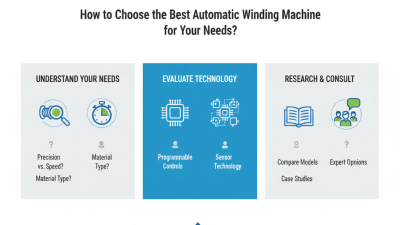
Choosing an automated machine starts with the production problem, not a catalogue photo. Global buyers should measure cycle time, material variation, batch size, and acceptable defect rates. A fast system may waste money if changeovers take forty minutes. Ask for a live trial using your own material. Video demonstrations are useful, but they can hide noise, jams, and awkward cleaning points. Watch the operator load parts. Count manual touches. Small details matter.

Evaluate electrical load, floor space, safety controls, and climate tolerance before comparing prices. A system designed for a dry workshop may struggle in humid coastal conditions. Confirm voltage options, technical documents, training, spare-part availability, and local service response times. Request a five-year cost estimate, including software updates, consumables, maintenance, and downtime. Data access also deserves attention. Production records need controlled permissions and secure transfer. Import rules and safety standards should be checked with qualified local advisers, since requirements differ by country.

Factory evaluations often reveal one uncomfortable mistake: buyers focus on output and overlook maintenance skills. That assumption may be wrong. Test cleaning, calibration, and recovery after a sensor fault. Do not accept perfect demonstrations only. Simulate a jam. Check whether an ordinary operator can restart the system safely. Leave room for honest uncertainty, because promised performance may change with real materials, seasonal humidity, and staffing levels. During acceptance testing, require several restart cycles and record every delay.