How to Choose the Best Automation Machine for Your Business?

Choosing the best automation machine for your business can feel overwhelming. With numerous options available, making the right choice is crucial. Your decision will directly impact productivity and efficiency.

Consider your specific needs before selecting an automation machine. Evaluate factors such as production volume, required features, and budget. It’s essential to assess how the machine integrates into your current processes.

While advanced automation machines can significantly improve operations, they might also present challenges. You may encounter issues with adaptability and worker training. Reflecting on these details can lead to a more informed decision. Aim for a balance between innovation and practicality.
How to Choose the Best Automation Machine for Your Business?

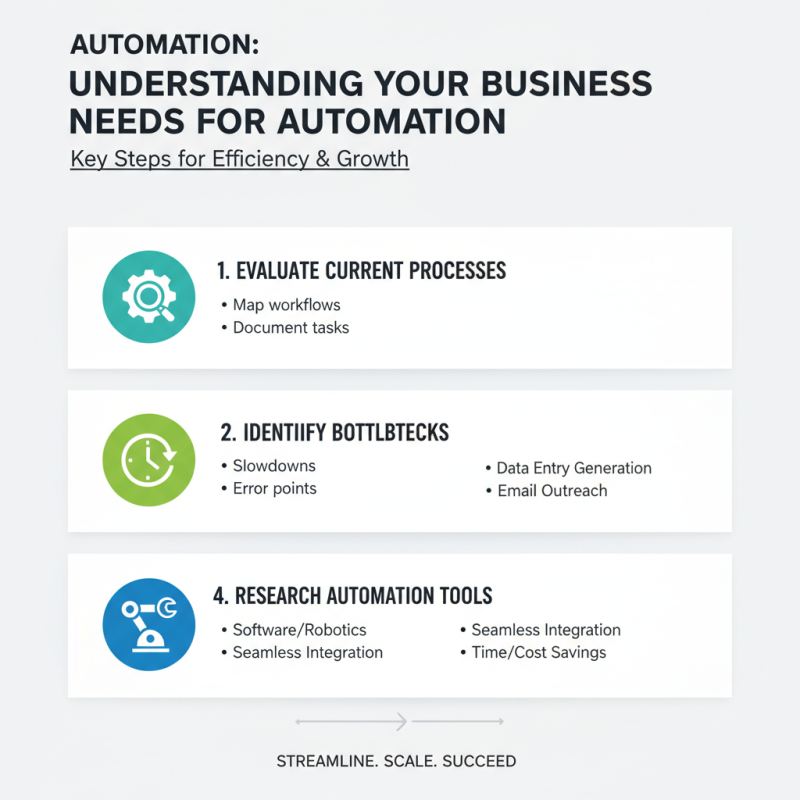
Understanding Your Business Needs for Automation
How to Choose the Best Automation Machine for Your Business?

Understanding your business needs for automation is crucial. Begin by evaluating your current processes. Identify bottlenecks and repetitive tasks that consume valuable time. If data entry takes hours daily, consider which automation tools can reduce that workload. Look for machines that fit seamlessly into these tasks.

Analyze your operational goals. Are you aiming to increase production speed or improve accuracy? Speak with your team. Their insights can reveal hidden inefficiencies. Sometimes, the solution may require adjustments in workflows rather than just new machines.

Budget is another critical factor. Establish a clear financial limit for automation tools. Remember, a high price doesn’t always guarantee effectiveness. Research various options and consider total cost of ownership. Finally, be ready for a learning curve. Automation may initially disrupt established routines. However, the long-term benefits can outweigh early challenges. Adapt and refine your approach as your business evolves.

Identifying Key Features of Automation Machines

When selecting an automation machine for your business, key features matter most. Look for reliability and efficiency. A machine's uptime indicates its quality and maintenance needs. Machines that often break down can disrupt productivity and increase long-term costs. Pay attention to user-friendly interfaces that simplify operations. Employee training should be straightforward with minimal complications.

Consider scalability; your business may grow or change. A versatile machine can adapt to new tasks or increased demand. It’s also vital to evaluate support services from the manufacturer. Quick access to help or parts can significantly reduce downtime.

Here are some tips: prioritize machines that are easy to maintain. Regular maintenance schedules can extend lifespan. Explore different technology options to find what fits best. Not every feature is necessary for every business. Reflect on what works for your operations before making a final choice. Don’t rush. Take the time to assess your specific needs to make an informed decision.

Evaluating Cost versus Benefit for Automation Options

When evaluating the cost versus benefit of automation options, clarity is crucial. Start by assessing your current workflow. Identify repetitive tasks that consume resources. Understand how much time and labor these tasks require daily. This analysis provides a basis for justifying automation.

Next, consider the costs associated with automation machinery. Initial investment may seem high. However, focus on long-term savings. Calculate potential reductions in labor costs and increases in efficiency. Reliable machines can generate faster production rates and minimize errors. Balancing initial costs with these benefits is essential for informed decision-making.

Moreover, consider the learning curve. Implementing new technology may require training. This adds to upfront costs but can lead to a more skilled workforce. Evaluate whether your team is adaptable. Ultimately, the right decision will enhance productivity but requires careful consideration of both the financial and human elements involved.

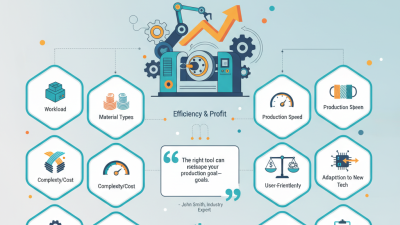
Cost vs. Benefit Analysis of Automation Machines in Different Industries

Researching Supplier Reliability and Support Services

When selecting an automation machine, the reliability of suppliers is crucial. A recent industry report reveals that 70% of organizations rate supplier reliability as a top factor. Suppliers who offer solid support services can significantly reduce downtime. This is key, as an average of 20% of production time is lost due to equipment failures.

Investigating a supplier’s history is essential. Look for companies with a proven track record. Consider their customer feedback and performance metrics. Proper after-sales support is non-negotiable. One study noted that 40% of firms faced delays because suppliers were unresponsive after purchase.

The speed of response is another indicator of reliability. Support services should be accessible and efficient. Ideally, they should resolve issues within 24 hours. However, not all suppliers meet this benchmark. A supplier may promise quick turnaround times, but if they fail to deliver, it can impact your operations severely. Investing time in evaluating your options can prevent future headaches.

Assessing Scalability and Future Growth Potential of Machines

When choosing an automation machine, assessing scalability and future growth potential is crucial. A machine should not only meet current demands but also adapt to future needs. Look for features that allow for easy upgrades or expansions. Modular designs often offer flexibility, enabling businesses to add components as they grow. Think about your business goals and how the machine can align with them.

Another vital aspect is the capacity for handling increased production. A machine that struggles with your current output might cause delays later. Evaluate the performance specifications carefully. Would it still function efficiently under higher workloads? Also, consider the technology employed in the machine. Newer technologies generally offer better performance and scalability.

It's essential to reflect on past choices. Have previous machines limited your growth? What were the shortcomings? Addressing these questions can sharpen your focus. This evaluation helps identify critical features that are aligned with your long-term vision. Therefore, prioritize machines that provide a clear path for future upgrades and expansions.