How to Choose the Best Automatic Winding Machine for Your Needs?
Choosing the right automatic winding machine is crucial for any manufacturing operation. This decision can impact your efficiency and product quality. An effective winding machine should meet your specific production needs.
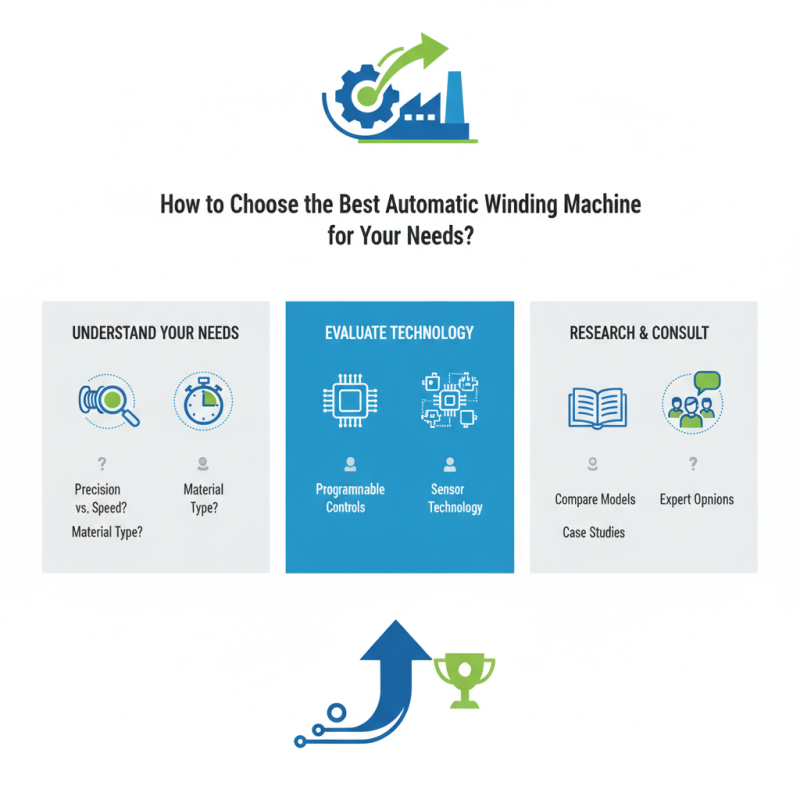
Many options are available, but not all machines are created equal. Understanding your requirements is key. Do you need high precision? Or are you focused on speed? Evaluate these aspects carefully.
Moreover, consider the machine's technology. Advanced features like programmable controls can greatly enhance performance. Take time to research different models. Seek expert opinions. This can help you make an informed choice. Investing in the right automatic winding machine is a step toward operational excellence.
Understanding Automatic Winding Machines: Definition and Functionality
Automatic winding machines play a crucial role in various industries, particularly in electronics and textiles. These machines are designed to wind materials like wires, fibers, and other components with precision and efficiency. According to a recent industry report, the global automatic winding machine market is expected to grow at a CAGR of 5.3% from 2021 to 2028. This growth underscores the importance of understanding their functionality.
The primary function of an automatic winding machine is to enhance productivity while ensuring quality. They can automatically adjust tension, speed, and winding patterns. This precision reduces material waste and improves the consistency of the final product. In the textile industry, for example, improper winding can lead to defects in yarn quality. Data indicates that well-wound products experience up to 30% fewer defects, boosting overall production efficiency.
Choosing the right automatic winding machine is not just about features. Potential users must consider their specific needs, including the material type, production volume, and desired output quality. While some machines offer advanced features, they may not fit every application. A machine's complexity may lead to higher maintenance needs, impacting operational efficiency. Evaluating these aspects ensures a more informed decision, aligning productivity requirements with machine capabilities.
Key Factors to Consider When Selecting an Automatic Winding Machine
When selecting an automatic winding machine, several key factors come into play. Understanding your specific production requirements is paramount. Consider the type of materials you will be winding. Different machines handle various materials and tensions in unique ways. Take note of the winding speed, as this can influence your overall productivity. A machine that is fast but unreliable might lead to more errors down the line.
Next, examine the machine's ease of use. A user-friendly interface can save time and reduce training costs. Operators must quickly grasp the settings and functionalities. Maintenance also deserves careful thought. Machines that are easy to maintain tend to have lower downtime. Check for the availability of customer support and service. This is a crucial aspect that can impact your machine's longevity.
Finally, consider the machine's adaptability. Can it handle different sizes and shapes? Flexibility is essential, especially in industries that require custom solutions. Reflect on your future needs. A machine that meets today's demands may fall short tomorrow. Balancing current capabilities with potential growth is a challenge worth considering. An automatic winding machine should not just meet your needs but also anticipate future challenges.
How to Choose the Best Automatic Winding Machine for Your Needs?
| Factor | Description | Importance |
|---|---|---|
| Winding Speed | The speed at which the machine can wind coils or wires. | High |
| Type of Winding | Types include helical, cylindrical, and toroidal winding. | High |
| Machine Size | Dimensions of the machine, affecting workspace requirements. | Medium |
| Automation Level | Degree of automation, from fully manual to fully automated systems. | High |
| Cost | Initial purchase cost and ongoing maintenance expenses. | High |
| User Interface | The usability of the machine's controls and displays. | Medium |
| After-sales Support | Availability of technical support and spare parts. | High |
Industry Standards and Compliance for Automatic Winding Equipment
When selecting an automatic winding machine, understanding industry standards and compliance is crucial. Each region may have specific regulations governing the design and operation of winding equipment. Familiarize yourself with certifications such as CE, UL, or ISO. These ensure that the machine meets safety and efficiency benchmarks, safeguarding your investment.
Tips: When assessing compliance, consult technical documents. Review user manuals and safety procedures. Engage with industry experts to clarify any doubts about standards.
Moreover, consider the machine's adaptability to new technologies. Industries are evolving rapidly, and compliance standards may change. Machines that can incorporate updates without significant overhauls tend to provide better long-term value.
Tips: Invest time in research. Analyze the machine’s upgrade paths and support services before making a decision. Reflect on how future advancements might affect your operation.
Analyzing Cost vs. Performance: Finding the Right Machine for Your Budget
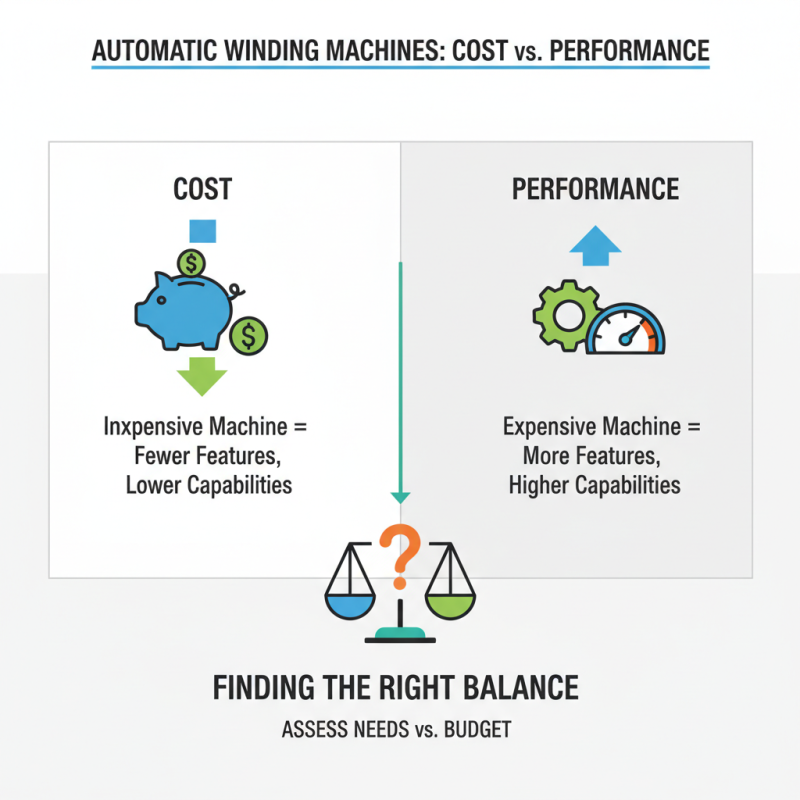
When choosing an automatic winding machine, understanding the cost vs. performance balance is crucial. Many factors affect the price, including the machine's features and capabilities. A machine that appears inexpensive might lack important functionalities that enhance performance. Always assess what you truly need versus what you can afford.
One tip is to research different models extensively. Look for user reviews and expert ratings. This research ensures you understand the machine's reliability and performance background. Experiment with smaller-scale machines before investing in larger units. Test different options to see what meets your specific winding requirements without overspending.
Another consideration is maintenance costs. A cost-effective machine might have higher upkeep expenses. This can include parts replacements and energy consumption over time. Weigh these potential costs against the initial purchase price to make a wise investment. Finding a balance can be challenging but aids in creating long-term value. Your decision should reflect both immediate needs and future growth.
Maintenance and Longevity: Ensuring Optimal Performance Over Time
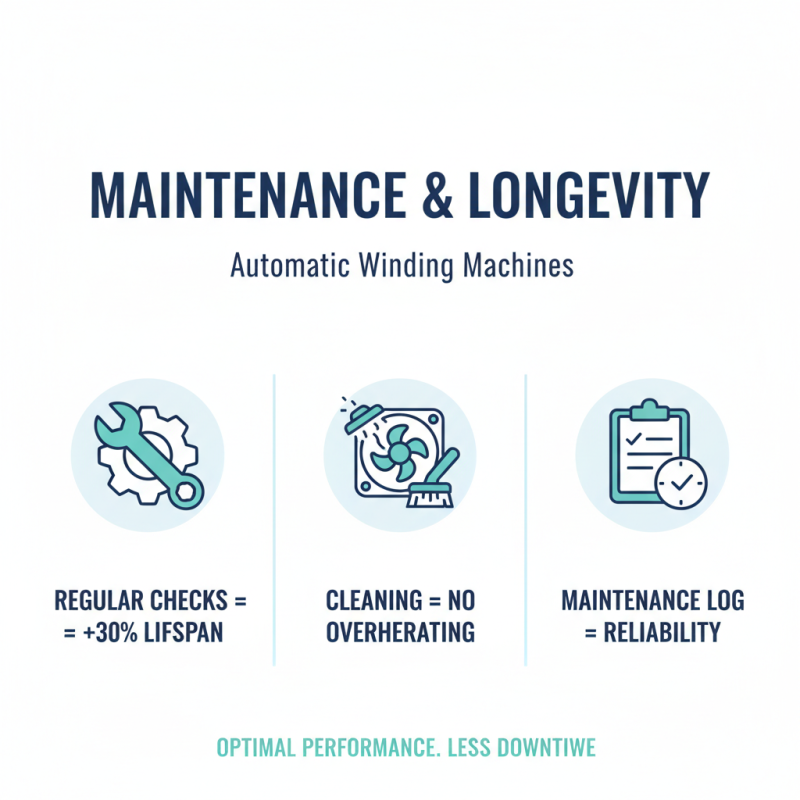
When selecting an automatic winding machine, maintenance and longevity are critical factors. Regular maintenance ensures that the machine operates efficiently. Research by the International Society of Automation shows that routine checks can increase equipment lifespan by up to 30%. Simple cleaning tasks, such as removing dust and debris, can prevent overheating and mechanical failures. Keeping a log of maintenance activities also enhances reliability and minimizes unexpected downtimes.
Using the right lubricants in specific areas can double the operational life of winding machines, according to industry studies. Furthermore, ensuring that moving parts are well-aligned reduces wear and tear. Many operators overlook small adjustments, but these can save significant costs in repairs. In fact, equipment misalignment can lead to a staggering 20% reduction in efficiency.
Investing in a well-maintained machine pays off in the long run. Machines that experience inconsistent servicing often show signs of fatigue sooner. Operators should ensure that they are trained to recognize early warning signs of issues. Ignoring subtle irregularities can lead to catastrophic failures, impacting production timelines. Ultimately, diligent maintenance will support the machine's performance and extend its useful life.
Related Posts
-
What is the Best Automatic Winding Machine in 2026?
-
Why Choose an Air Coil Winding Machine for Your Manufacturing Needs?
-
10 Essential Tips for Choosing the Best Auto Winding Machine?
-
Best Wire Coil Winding Machines for Efficient Production?
-
Best Automatic Winding Machine for Global Buyers in 2026?
-
How to Choose the Right Micro Coil Winding Machine for Your Needs?