

Why Choose a Micro Coil Winding Machine for Your Business?
Choosing a micro coil winding machine is a practical decision for businesses producing compact electrical components. These machines wind fine wire onto small bobbins or cores, where consistent turns and controlled tension matter. A loose layer can affect assembly; uneven winding may lead to avoidable rework. Small details count.
The right equipment can support repeatable production, reduce manual handling, and help operators manage delicate wire more carefully. For example, a clear control panel, stable spindle, and adjustable winding settings can make setup easier when switching between coil designs. Still, specifications alone do not tell the whole story. Wire diameter, coil geometry, target output, and operator experience all shape machine performance. A model suited to one product may not fit another.
Before investing, businesses should review sample coils, ask about setup and maintenance, and confirm that the machine handles their actual materials. Check how easily winding parameters can be adjusted, and whether training or technical support is available. These steps offer more useful evidence than a broad productivity claim. There is a trade-off. Higher automation may improve consistency, but it can also add cost and setup complexity. The best choice is not always the fastest machine. It is the one that fits real production needs, with room for careful testing and honest review.
What Is a Micro Coil Winding Machine?
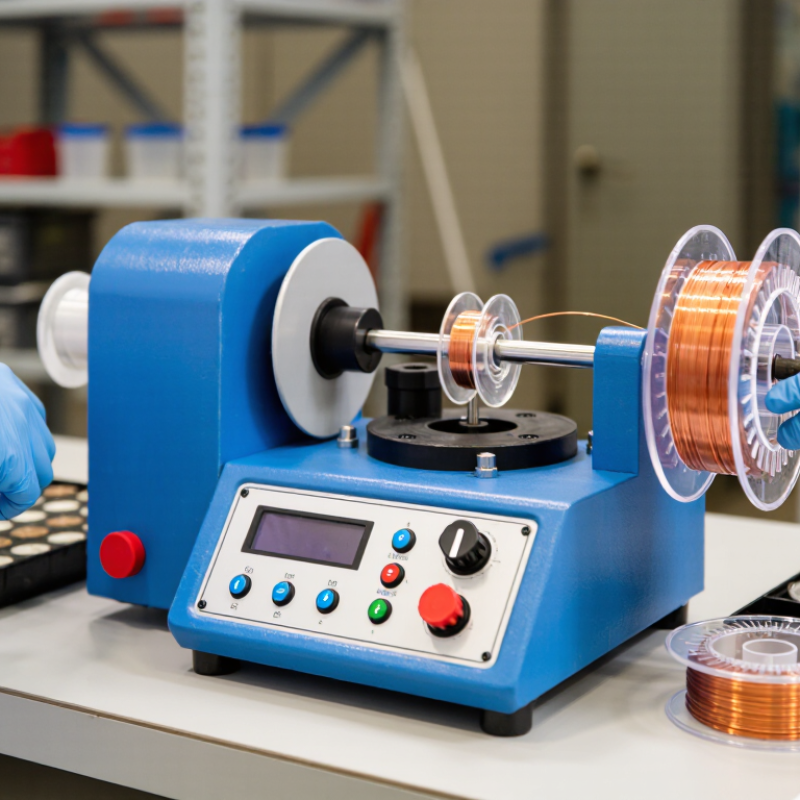
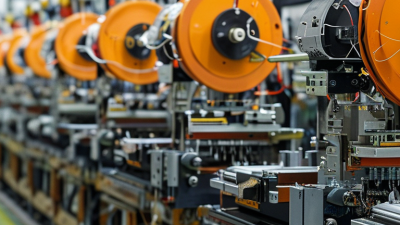
A micro coil winding machine is equipment for winding fine insulated wire into small, controlled coils. It typically uses a spindle, wire guides, and a tensioning system to place each turn neatly. Depending on the model, operators can adjust winding speed, turn count, and coil dimensions. The machine may serve production of compact motors, sensors, relays, and other small electrical components. Its purpose is not simply to spin wire quickly. Consistent tension and placement help produce coils with predictable shape and electrical performance.
Tips: Check wire diameter and insulation before setup. Run a short test winding, then inspect the coil under good lighting. Small flaws matter.
A suitable machine should match the coil’s inner diameter, outer diameter, wire type, and required output volume. Some systems offer programmable settings, while others need more operator adjustment. That difference affects training time and repeatability. A machine described as “micro” may not handle every fine-wire job, so verify its working range against actual samples. Even with automation, operators should watch for crossed turns, loose winding, and wire breaks. A careful trial run can reveal issues that a specification sheet misses. I would not assume one setup suits every coil; production needs can change, and the first result may need refinement.
| Why Choose a Micro Coil Winding Machine for Your Business? - What Is a Micro Coil Winding Machine? | ||
|---|---|---|
| Dimension | What It Means | Business Relevance |
| Machine Purpose | A micro coil winding machine forms small coils by winding conductive wire around a bobbin, core, or other specified former. | It supports production of compact electromagnetic components used in products such as sensors, relays, inductors, and small motors. |
| Wire Handling | Machines are designed to guide and wind fine wire. The usable wire diameter depends on the machine configuration and the wire material. | Confirm the wire specification and insulation requirements before selecting equipment, since fine wire can be damaged by excessive tension or poor handling. |
| Winding Pattern | Programmable controls may set winding turns, direction, speed, and traverse movement. Available functions vary by machine. | Repeatable settings can help produce consistent coils and reduce reliance on manual winding for recurring production jobs. |
| Turn Counting | A turn counter tracks the number of wire turns made during a winding cycle. | Accurate turn counts help meet coil design requirements. Finished coils should still be checked using the business’s quality-control process. |
| Wire Tension | Tension control manages the pull applied to the wire as it is fed onto the coil. | Appropriate tension helps limit loose winding, wire stretching, and breakage. The suitable setting depends on the wire and coil design. |
| Coil Geometry | Coil dimensions are determined by the former, winding program, wire size, and machine setup. | Check the required coil diameter, height, and winding layout against the equipment’s documented workpiece and fixture capacity. |
| Production Volume | Equipment may be configured for development work, small batches, or repeated production; actual output depends on setup and cycle requirements. | Match the machine to expected order quantities, changeover frequency, operator availability, and required inspection steps. |
| Setup and Changeover | Changing coil designs can require different fixtures, guides, winding programs, and process settings. | Evaluate setup time and ease of saving or selecting programs when producing multiple coil types. |
| Quality Checks | Common checks include turn count, coil dimensions, winding appearance, electrical continuity, and resistance where specified. | Define inspection criteria from the component drawing and customer requirements; winding equipment does not replace final product testing. |
| Selection Considerations | Important factors include wire range, coil dimensions, winding functions, control method, fixture compatibility, and available technical support. | Compare documented machine capabilities with actual product specifications and request a representative trial when process fit is uncertain. |
Related Posts
-

10 Essential Tips for Choosing a Coil Winding Machine
-
How to Choose the Best Micro Coil Winding Machine for Your Needs
-
Best Wire Coil Winding Machines for Efficient Production?
-
Top 10 Wire Coiling Machines for Global Buyers in 2026?
-
Top 10 Automatic Motor Winding Machines for Global Buyers?
-

How to Choose the Best Automatic Winding Machine for Your Needs?