10 Essential Tips for Choosing a Coil Winding Machine

Choosing a coil winding machine can be daunting. The right machine can enhance efficiency and product quality. As industry expert John Smith notes, "Selecting the right coil winding machine is crucial for maximizing production and minimizing waste." This emphasizes the importance of making informed choices.

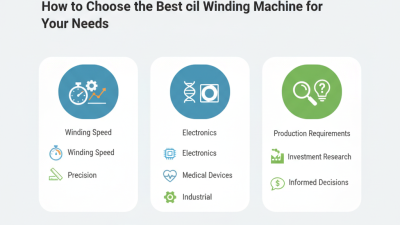
A coil winding machine is not just a piece of equipment; it’s a vital investment. Factors like winding speed, precision, and ease of use matter significantly. Different industries may require different specifications. A small oversight in selection can lead to production setbacks. It's essential to conduct thorough research and reflect on one's specific needs.

Moreover, understanding the technology behind these machines can be complex. New features are constantly emerging, and it can be hard to keep up. Each model has its strengths and weaknesses. It’s important to balance innovation with practical application. Buyers should ask tough questions before making a decision.
10 Essential Tips for Choosing a Coil Winding Machine

Understanding the Types of Coil Winding Machines Available

When selecting a coil winding machine, understanding the types available is crucial. There are automatic, semi-automatic, and manual machines. Automatic machines offer high production rates. They require minimal human intervention, making them efficient for large-scale operations. However, they may not provide the flexibility needed for custom projects.

Semi-automatic machines strike a balance. They allow for some manual control while still benefiting from automation.

Manual machines are often chosen for small production runs. They require more operator skill and involvement. This can be beneficial for intricate designs. A detailed look at each type can reveal their advantages and limitations. Automatic machines excel in speed, yet they can be hard to adjust for unique tasks. Semi-automatic options are versatile but may be more expensive in the long run.

It's essential to consider your specific needs. Will you produce large volumes or custom pieces? The type of coils you wind also matters. Transformer coils differ from motor coils, requiring different winding techniques and machines. Evaluate your production environment as well. Some machines need significant floor space, while others are compact. Define your goals clearly before making a decision.
Key Factors to Consider When Selecting a Coil Winding Machine

When selecting a coil winding machine, several key factors come into play. The type of winding required is paramount. Different machines cater to varying applications, such as transformers, motors, or inductors. Reports indicate that nearly 70% of manufacturers switch or upgrade their machines based on specific needs.

Another crucial factor is the machine's automation capabilities. Fully automated machines can increase efficiency by 50%, ensuring consistency in production. However, they often come with a steeper learning curve. This can lead to operational challenges that warrant consideration. Manufacturers report that 30% of downtime results from improper setup or operator errors, emphasizing the need for proper training.

The machine's build quality and maintenance requirements must also be evaluated. High-quality machines often come with longer warranties and better support. Yet, some users find that maintenance costs can escalate, creating unforeseen budget constraints. Industry studies note that unanticipated repairs can account for 15% of annual expenses. Balancing quality with long-term financial planning is essential.

Assessing Your Production Needs and Output Requirements

10 Essential Tips for Choosing a Coil Winding Machine

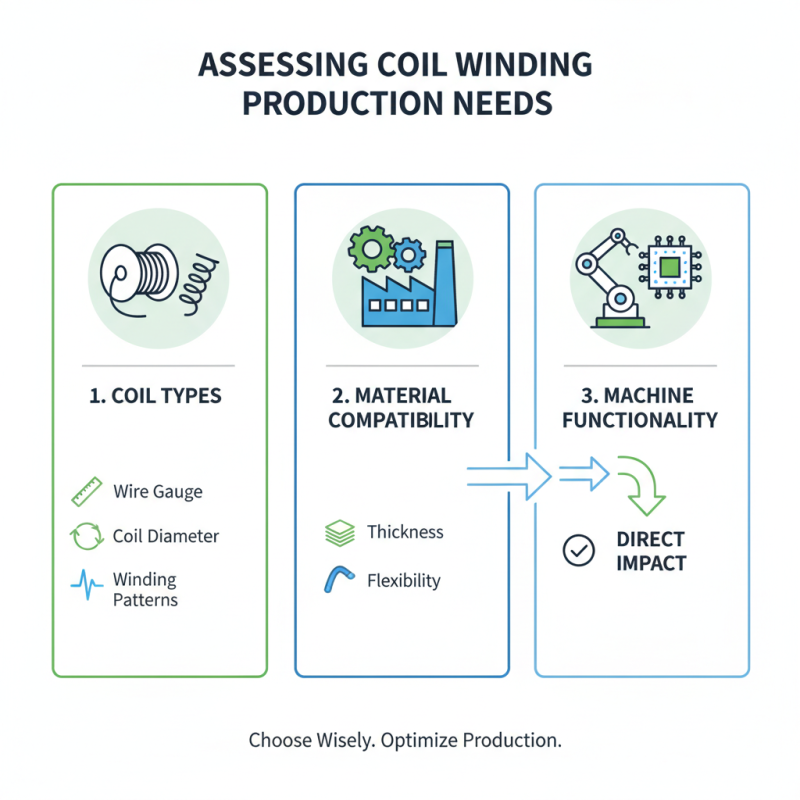
When choosing a coil winding machine, it’s crucial to assess your production needs. Start by identifying the types of coils required for your projects. Consider parameters such as wire gauge, coil diameter, and winding patterns. These specifics directly impact the machine's functionality. Think about the materials you'll be working with. Different machines handle materials of varying thickness and flexibility. This consideration would help narrow your options.

Next, evaluate your output requirements. Determine how many coils you need each day. This will influence the machine's speed and efficiency. High production volumes demand a reliable and swift machine. However, if your output is low, investing in a high-capacity machine might not be practical. Reflect on the size of the space where the machine will be installed. Ensure it fits comfortably while allowing room for maintenance.

It’s important to recognize that the right machine may not always be the most expensive one. Sometimes, budget-friendly options can meet your needs effectively. Review both user feedback and machine specifications carefully. Balancing performance and cost requires deeper analysis. In the end, ensure that your chosen machine aligns with your production goals to achieve the best results.

Evaluating the Machine's Features and Specifications

10 Essential Tips for Choosing a Coil Winding Machine

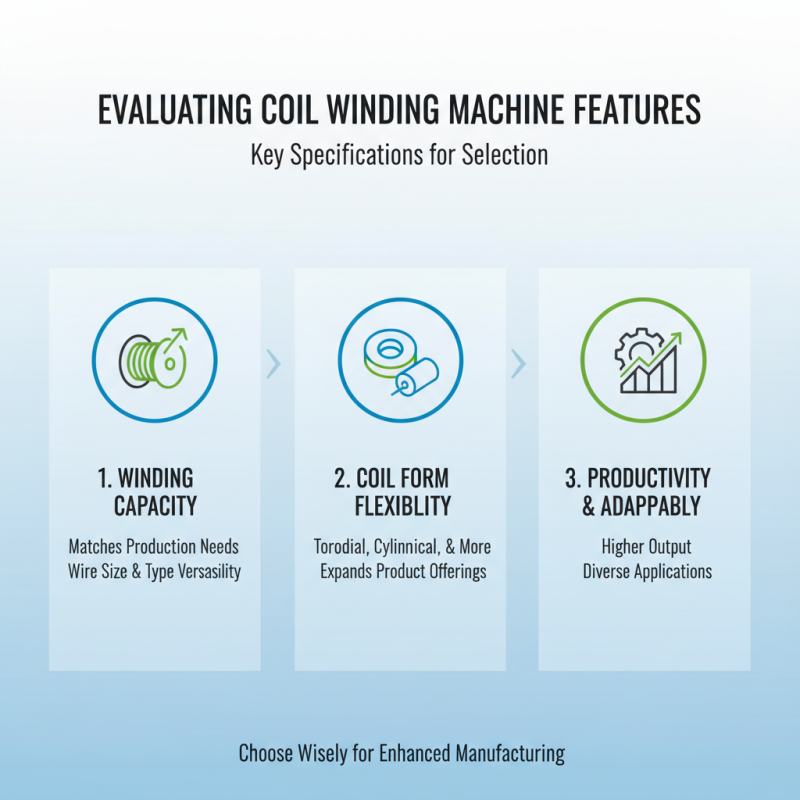
When selecting a coil winding machine, evaluating its features and specifications is crucial. Focus on the winding capacity that aligns with your production needs. A machine that handles various wire sizes and types increases versatility. Check if it can accommodate different coil forms, such as toroidal or cylindrical. This flexibility can enhance your productivity and expand your product offerings.

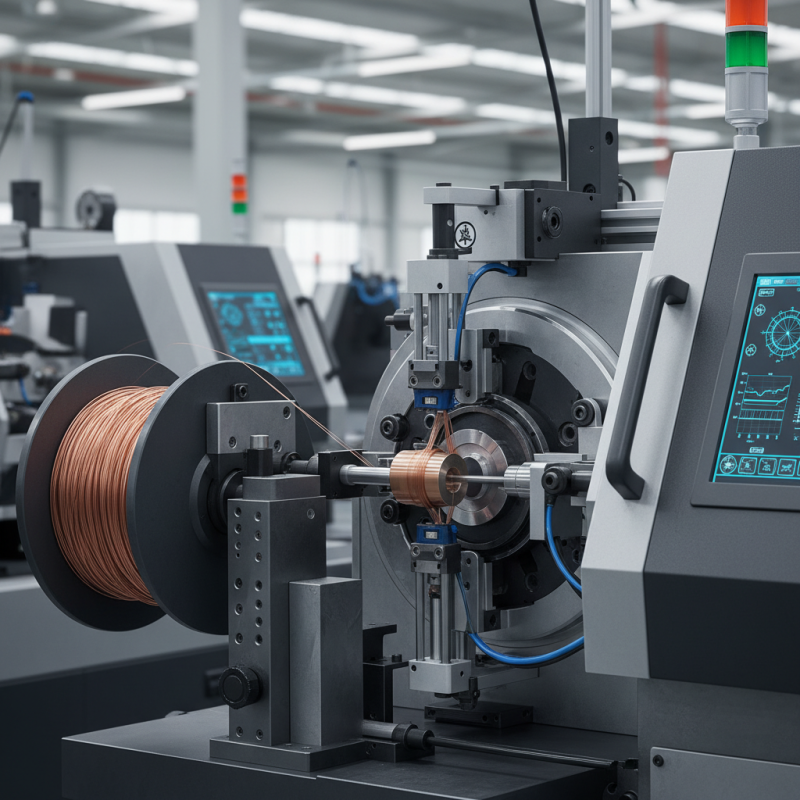
Another important feature is the control system. Look for a machine with intuitive controls for ease of use. Digital displays can provide real-time data, simplifying the winding process. Consider automated settings to minimize the risk of errors. Testing the machine’s capabilities through a demo can reveal potential limitations in user interface design or speed.

Safety features also matter. Ensure the machine has proper guards and emergency stop options. Evaluating these specifications can help prevent workplace accidents. Don't overlook after-sales support. Reliable service can save time and costs. Think about how maintenance requirements might impact your operation over time. Balancing features with usability will lead to a more informed choice.

Budgeting for Purchase and Ongoing Maintenance Costs

When purchasing a coil winding machine, budgeting effectively is crucial. Consider not only the initial price but also ongoing maintenance costs. Factor in utilities, such as electricity, as they accumulate over time. Finding a balance between upfront expenses and long-term financial impacts is important.

When assessing your budget, define your requirements clearly. Think about the types of coils you will produce. Larger, more complex machines often have higher maintenance needs. Choosing a simpler model may be a wise choice if you're starting out.

Evaluate the cost of replacement parts and qualified technicians for repairs. Unexpected costs can arise, impacting overall profitability. It’s important to conduct thorough research. Look into manufacturers that offer support and warranties. Their reliability can save you money in the long run.