What is Automated Machine and How Can It Benefit You?
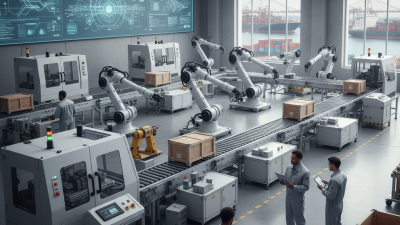
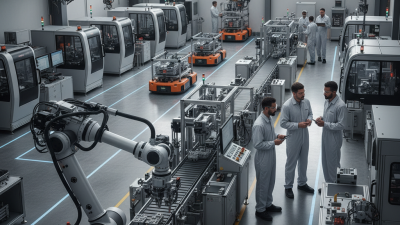
In today's fast-paced world, an automated machine has become a game-changer for businesses across various industries. This technology simplifies complex processes and significantly enhances productivity. When companies adopt automated machines, they often experience a boost in efficiency. They can allocate human resources to more strategic tasks. This shift can lead to innovation and growth.
Automated machines operate with minimal oversight, which can reduce human error. They provide consistent quality in production lines. However, reliance on these machines can sometimes raise concerns. What happens when the system fails? Is there adequate training to handle emergencies?
Despite these challenges, the benefits can outweigh the drawbacks. Businesses can save time and reduce costs. They gain a competitive edge in the market. Embracing automated machines might seem daunting, but the potential rewards make it a worthy consideration. Companies willing to adapt might find themselves ahead of the curve.
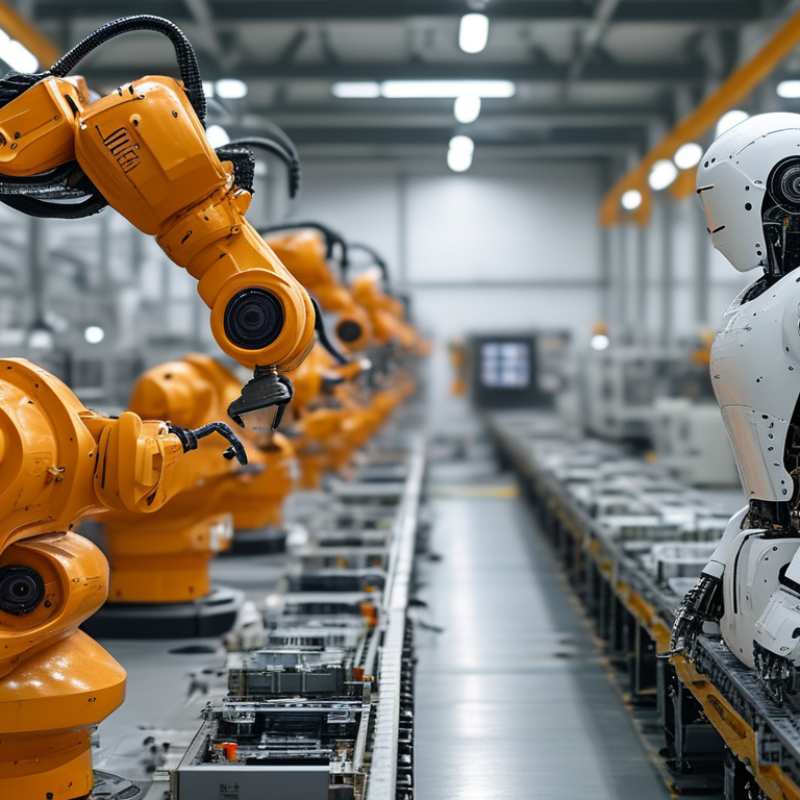
What is Automated Machine Learning (AutoML) in AI and Data Science?
Automated Machine Learning, or AutoML, streamlines the process of model creation in AI and data science. It simplifies tasks that typically require expert knowledge. For instance, feature selection, model selection, and hyperparameter tuning can be automated. This means individuals with less experience can still harness the power of machine learning.
In practical terms, AutoML saves time and reduces complexity. Businesses can deploy AI solutions faster, as the tools handle most of the technical details. However, it’s important to note that while AutoML can accelerate processes, it may not always yield the best results. Users need to periodically assess outcomes and fine-tune models manually.
Another consideration is the reliance on automated systems. A lack of understanding of underlying algorithms can lead to blind spots. Therefore, a blend of automation and human insight is essential. The journey with AutoML includes learning moments, questioning outputs, and iterating on findings. Balancing automation with critical thinking is key for effective machine learning deployment.
Key Components and Processes Involved in Automated Machine Learning
Automated Machine Learning (AutoML) streamlines the process of building machine learning models. The key components include data preprocessing, feature selection, model training, and hyperparameter tuning. Each part is essential for effective outcomes.
Data preprocessing is the foundation. It involves cleaning and transforming raw data into a usable format. Missing values and outliers can skew results. A thoughtful approach to preprocessing can significantly enhance model performance. Feature selection follows. This step identifies critical variables that influence predictions, reducing complexity and improving accuracy.
Model training is where the magic happens. Algorithms learn from data patterns. It’s crucial to select the right model. Different models excel in various scenarios. Hyperparameter tuning fine-tunes these models, optimizing their performance. However, this process can be resource-intensive and requires careful consideration. Users must balance precision and power. Lastly, evaluating model results is vital. It highlights areas for improvement or adjustment, ensuring better future performance.
Benefits of Automated Machine Learning for Businesses and Organizations
Automated Machine Learning (AutoML) is transforming how businesses harness data. This technology simplifies complex processes. By automating the model selection and tuning, organizations can save time and resources. Companies can focus on strategic growth rather than grappling with intricate algorithms. This can lead to quicker decision-making.
Many businesses are investing in AutoML for its potential benefits. It provides better accuracy in predictions. By using advanced algorithms, organizations can uncover insights that drive success. Moreover, employees can enhance their productivity by automating repetitive tasks. However, challenges exist. The quality of data is crucial. Poor data can lead to flawed predictions.
Organizations must also consider the learning curve. Team members may need time to adapt to new tools. Keeping up with technology requires ongoing training and support. AutoML offers exciting possibilities, yet organizations must approach it critically. Engaging with experts can help navigate these challenges effectively.
Industry Statistics on the Efficiency Gains from Using AutoML
Automated Machine Learning (AutoML) is rapidly transforming industries. Recent reports show that organizations using AutoML can achieve efficiency gains of up to 70%. This is not just a percentage; it translates into significant time savings and reduced operational costs. According to a study by McKinsey, companies that implemented AutoML solutions reported a 50% decrease in time spent on data preparation and model training. These improvements allow teams to focus on strategic tasks rather than repetitive workflows.
Moreover, the market for AutoML solutions is expanding quickly. Gartner predicts that by 2025, 90% of machine learning projects will be automated. This shift indicates a move towards more efficient processes. However, while the numbers are promising, companies must address potential shortcomings. Training and expertise gaps remain a challenge. Not all professionals are familiar with AutoML techniques, which may hinder progress.
In applying AutoML, organizations also face the risk of over-reliance on automation. A report from Forrester highlights that 60% of firms admitted that their reliance on automated tools sometimes undermines human judgment. This suggests a careful assessment is necessary. Balancing automation with skilled oversight is crucial for maximizing benefits while mitigating risks.
Challenges and Limitations of Implementing Automated Machine Learning
Automated machine learning (AutoML) offers significant advantages, yet its implementation comes with notable challenges. One main issue is data quality. Low-quality or unstructured data can derail the training process. Organizations must invest time and resources to clean and prepare data before using AutoML. Without this crucial step, results may be misleading or unreliable.
Another challenge is the need for expertise. AutoML tools simplify the process, but understanding the underlying algorithms is still essential. Users might over-rely on automation. This could lead to missed opportunities for deeper insights. Additionally, businesses may fall into the trap of viewing AutoML as a cure-all. It can't replace human intuition or critical thinking.
Lastly, organizations must consider their infrastructure. Implementing AutoML often requires advanced hardware and software capabilities. This can be a barrier for smaller entities. The cost of proper infrastructure can add up. Each of these limitations highlights the need for a thoughtful approach to adopting automated machine learning.
Impact of Automated Machine Learning on Business Efficiency