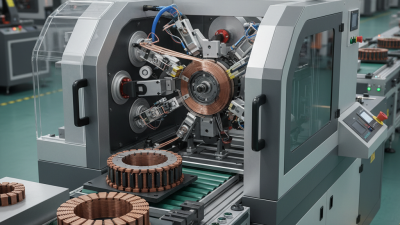
How to Choose the Best Automatic Stator Winding Machine?
Choosing the best automatic stator winding machine can be daunting. With numerous options available, understanding key features is essential. Many manufacturers offer machines with advanced technology but varying reliability. It is crucial to assess your specific needs and production goals before making a choice.
Consider the machine's efficiency and precision. The right automatic stator winding machine should enhance productivity while minimizing errors. Take note of the ease of operation. A user-friendly interface can significantly reduce training time for operators. However, don’t overlook durability. Some machines may seem appealing due to low costs but may require more maintenance over time.
Quality is another critical factor. Research reputable manufacturers known for their expertise in the field. Reviews and testimonials from users can provide insight into the machine's performance. While it’s easy to focus solely on features, real-world usage often reveals imperfections. A machine might excel in speed but may compromise on winding quality. Evaluate all aspects carefully before making your decision.
Understanding Stator Winding Machines and Their Importance
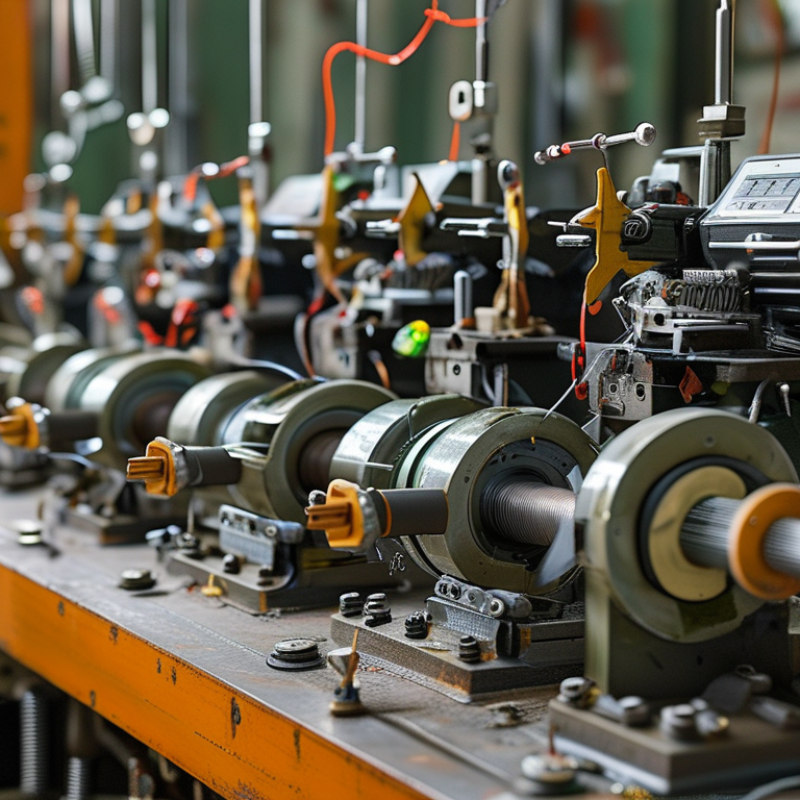
Stator winding machines play a vital role in producing efficient electric motors. These machines automate the winding process, leading to higher precision and increased productivity. A study by the International Electrotechnical Commission found that automated winding can improve production efficiency by over 30%. This is significant for industries that rely heavily on electric motors.
When selecting a stator winding machine, it is essential to consider the type of winding it can perform. Different applications require specific winding configurations. For instance, some machines cater to round wire, while others accommodate rectangular wire. Understanding these requirements ensures you get the best performance.
Tip: Assess the machine’s automation features. Advanced features can reduce human error and improve output consistency. Also, consider the machine's adaptability for future projects. Flexibility can mean the difference between growth and stagnation.
Another factor is the machine’s maintenance needs. Regular maintenance can extend the machine's lifespan. However, some machines are designed with accessibility in mind, making repairs easier. Balancing maintenance with performance is crucial to avoid unexpected downtime. Reflect on your team’s capabilities to handle maintenance tasks effectively.
Key Features to Look for in Automatic Stator Winding Machines
When selecting an automatic stator winding machine, key features matter greatly. Precision is crucial, as it impacts the quality of the winding. According to a report by Research and Markets, precision manufacturing machines can improve productivity by over 25%. High-quality machines often include advanced control systems, which ensure consistent winding patterns. This can minimize errors and enhance overall efficiency.
Another essential feature is the machine's versatility. The ability to handle various wire sizes and types allows manufacturers to meet diverse production needs. For instance, some machines can wind magnets for permanent magnet motors and handle high-speed applications. This flexibility can reduce capital costs, as fewer machines are needed.
Furthermore, consider the ease of maintenance. A complicated machine can lead to downtime and increased costs. A user-friendly design simplifies troubleshooting and upkeep. According to industry specialists, the total cost of ownership for machines with higher maintenance needs can exceed initial purchase prices by 30% over time. Thus, choosing a machine that balances advanced technology with simple operation is vital.
Evaluating the Technical Specifications of Stator Winding Machines
When choosing an automatic stator winding machine, technical specifications play a crucial role. Look for machines with flexible winding configurations. Versatility in winding methods ensures that the machine can handle different types of stators efficiently. It's important to evaluate whether the machine can accommodate various wire sizes. Machines that offer quick wire changes can save significant production time.
Precision is essential. A machine’s accuracy affects the quality of the winding. Check for specifications on tension control. Stabilized tension prevents wire breakage and reduces defects. Additionally, machines featuring advanced error detection systems enhance reliability. Assessing the technology used in these machines can give insights into their long-term performance.
Also, consider user-friendly interfaces. Complexity can lead to operator errors. A simpler design often mitigates this risk. Potential buyers should think about the support options available post-purchase. Limited information or poor service can lead to operational downtime. This aspect is not always transparent and may require further investigation. Balancing features and usability can be challenging, but it is vital for optimal functioning.
Assessing Reliability and Maintenance Needs of Winding Equipment
When selecting an automatic stator winding machine, assessing reliability is crucial. Reliability directly affects productivity. A machine that frequently breaks down incurs high maintenance costs. Regular performance evaluations can help identify potential issues before they escalate. Workflows can be disrupted, leading to lost time.
Maintenance needs should also be a priority. Machines often require specific types of upkeep. Understanding the maintenance schedule is essential for longevity. Some equipment may need daily checks, while others can be assessed weekly. Evaluate the accessibility of parts and the ease of maintenance tasks. This can significantly impact operational efficiency.
User feedback offers valuable insights into machine performance. Take note of common concerns from operators regarding maintenance challenges. Their experiences can highlight potential flaws in the equipment design. It’s essential to weigh these insights against manufacturer claims. A balanced approach will aid in making an informed decision.
Comparing Costs and Value for Money in Stator Winding Machines
When selecting an automatic stator winding machine, cost plays a pivotal role. Many businesses look for machinery that offers a strong return on investment. A recent industry report indicates that the average cost for these machines ranges from $15,000 to $50,000. However, the initial purchase price does not tell the entire story. Companies must also consider maintenance costs, operational efficiency, and the ability to produce high-quality windings.
Value for money in stator winding machines often depends on production capacity. A machine with higher efficiency can reduce labor costs significantly. For instance, a machine capable of producing 500 windings per day may offset its higher purchase price by increasing output and decreasing cycle times. Furthermore, investing in machines that offer advanced features, like programmable settings and automated adjustments, can lead to better production consistency. Research indicates that improved production consistency can enhance customer satisfaction by as much as 30%.
Nevertheless, not all manufacturers adequately weigh these factors. Some small businesses may prioritize upfront costs, neglecting to evaluate potential savings over time. While a lower-cost option can be tempting, it might lack durability and efficiency. Therefore, companies should reflect on their specific needs and production goals before making a decision.
Related Posts
-
Top 5 Best Stator Winding Machines for Efficient Manufacturing?
-
Top 5 Motor Stator Winding Machines for Efficient Coil Production
-
Top 10 Stator Winding Machines for Efficient Motor Manufacturing?
-
What is an Auto Winding Machine? Exploring Efficiency and Precision in Coil Production
-
Top Benefits of Using an Automatic Stator Winding Machine?
-
2026 Best Automatic Motor Coil Winding Machine Reviews and Buying Guide?