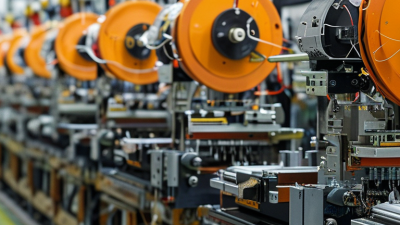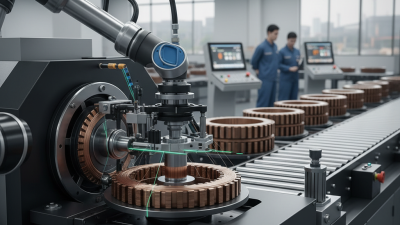
Top 10 Benefits of Samatic Winding Machines for Global Buyers?

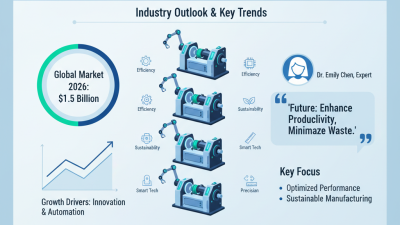
In the rapidly evolving landscape of manufacturing, the samatic winding machine stands out as a crucial innovation. Experts emphasize its transformative potential for global buyers. John Smith, a leading authority in winding technologies, recently noted, "The samatic winding machine reshapes efficiency, pushing boundaries of what’s possible in production."

This technology offers diverse benefits. It enhances precision in winding, reduces material waste, and significantly increases productivity. Buyers recognize how this machine can streamline operations. Additionally, its advanced features cater to various industries, from electronics to automotive.

However, investment in such technology requires careful consideration. Not every operation may need a samatic winding machine. Adopting it without assessing specific needs can lead to unfulfilled expectations. Buyers must weigh the advantages against their unique operational challenges. Understanding the machine's capabilities is essential for making informed decisions in an increasingly competitive market.
Top 10 Benefits of Samatic Winding Machines for Global Buyers?

Understanding Samatic Winding Machines and Their Global Significance

Samatic winding machines have become essential in various industries worldwide. These machines enhance efficiency and precision in winding processes. Understanding their significance can help global buyers make informed decisions. Many manufacturers are now prioritizing these machines due to their durability and adaptability.

A major benefit of samatic winding machines lies in their versatility. They can handle various materials, such as wires, cables, and textiles. This flexibility reduces the need for multiple machines, saving both space and costs. Buyers looking for an investment should consider this aspect carefully. Winding machines that cater to different applications can streamline production.

Pay attention to the precision offered by these machines. High-quality winding provides better performance in end products. Buyers should request samples to evaluate the output quality before committing. Always analyze the after-sales support as well; reliable service can make a significant difference in long-term satisfaction. Winding machines are an investment that requires careful thought and consideration to ensure a beneficial purchase.

Top 10 Benefits of Samatic Winding Machines for Global Buyers

Benefit Description Impact on Efficiency
Increased Productivity Automated processes reduce manual labor and speed up production. High
Consistency in Quality Precision engineering ensures uniform product quality. High
Cost Savings Reduction in waste and significantly lower labor costs. Medium
Flexibility in Design Ability to easily switch between different product specifications. High
Lower Operational Risk Minimized exposure to workplace accidents through automation. Medium
Enhanced Technological Integration Easily integrates with modern production systems and IoT. High
Better Resource Management Efficient use of materials and energy reduces overhead costs. High
Scalability Easily scalable production capabilities to meet market demand. High
Improved Customer Satisfaction Higher quality products lead to greater customer loyalty. Medium
Global Competitiveness Better positioning in international markets through advanced manufacturing. High

Key Advantages of Using Samatic Winding Machines in Manufacturing

In manufacturing, the use of Samatic Winding Machines offers numerous benefits. One major advantage is efficiency. According to a recent industry report, automation in winding processes can reduce production time by up to 30%. This enhancement allows manufacturers to meet increased demand without sacrificing quality.

These machines also improve precision. High-quality winding minimizes material waste, which is crucial for cost reduction. Data indicates that precise winding can cut raw material usage by 15%. Additionally, fewer errors lower the cost associated with rework. A small misalignment can lead to significant losses.

However, challenges exist. Initial investment costs can be high. Many buyers hesitate due to budget constraints. Moreover, some users report a need for training. Inexperienced operators may struggle with complex systems, affecting productivity. Balancing these factors is vital for successful integration of Samatic Winding Machines.

Enhanced Efficiency: How Samatic Winding Machines Optimize Production

The efficiency of Samatic winding machines is revolutionizing production lines worldwide. Recent industry studies indicate that these machines can boost production speed by up to 40%. This enhancement addresses the increasing demand for high-quality winding in various sectors, including electronics and automotive manufacturing. By minimizing downtime and maximizing output, manufacturers can meet tight deadlines and market demands.

Incorporating advanced technology, Samatic winding machines utilize precision controls and real-time monitoring. This reduces waste and ensures consistent quality. Research from the International Journal of Advanced Manufacturing Technology reports a decrease in material waste by up to 30% when employing such machinery. However, it is essential to regularly assess machine performance and calibration to maintain these gains. Over-reliance on automation without proper oversight can lead to unforeseen errors.

For optimal performance, factor in regular maintenance schedules. Address not only mechanical aspects but also software updates. The financial implications are significant; losses from inefficient production processes can quickly outweigh initial savings. Monitoring operational metrics closely helps identify areas needing improvement. Regular training for operators can also enhance their understanding of machine capabilities and troubleshooting.

Cost Savings: Economic Benefits of Investing in Samatic Winding Machines

Investing in Samatic winding machines offers significant cost savings for manufacturers. These machines enhance efficiency, reducing labor costs and minimizing waste. With automated processes, businesses can achieve higher output without compromising quality. Over time, this leads to reduced operational expenses.

Additionally, the precision of these machines can lower material costs. They ensure that materials are utilized more effectively, which decreases excess and scrap. This efficient use of resources translates to better profit margins. However, the initial investment might be daunting for some companies, necessitating a careful evaluation of long-term benefits versus short-term expenses.

Moreover, the long lifespan and durability of these machines mitigate future replacement costs. Regular maintenance is also less frequent, contributing to overall savings. While companies may hesitate to shift from traditional methods, the economic benefits of Samatic winding machines prove compelling. As businesses adapt, reflecting on both the initial challenges and eventual advantages is crucial for informed decision-making.

Technological Innovations: The Future of Samatic Winding Machines in Industry

Technological innovations are driving the future of Samatic winding machines in various industries. These advancements enhance efficiency and precision in winding processes. For example, improved automation reduces manual errors and speeds up production. As a result, manufacturers can meet increasing demand without sacrificing quality. Moreover, better integration with digital technologies allows for real-time monitoring and adjustments, making operations more agile.

Investing in these modern machines can seem daunting. Buyers might worry about the initial costs. However, the long-term savings and efficiencies gained often outweigh these concerns. It's crucial to assess the specific needs of your production line before making a decision. Each machine offers varied capabilities, making it essential to choose one that aligns with your operational goals.

Understanding the technology behind these machines is vital. New features, such as predictive maintenance, help prolong their lifespan. By scheduling regular check-ups based on usage, buyers can avoid costly breakdowns. It’s important to stay informed about these innovations, as they can significantly impact your production efficiency and overall success.