2026 Best Motor Winder Machine for Global Buyers Tips?

In an increasingly competitive market, selecting the right motor winder machine is crucial for manufacturers. Buyers often seek machines that enhance efficiency and product quality. However, navigating the options can be overwhelming. Each model offers unique features that cater to specific needs.

A reliable motor winder machine should not just meet basic operational demands but also provide consistency and durability. Buyers must consider factors like motor capacity and winding speed. These details can define a project's success. Understanding common issues can also provide deeper insight. Many users have faced challenges that could have been avoided with better research.

As the industry evolves, staying informed about the latest innovations is essential. While several brands claim superiority, real-world usage often tells a different story. Seeking expert advice can help in making educated decisions. Ultimately, choosing the right machine is a journey that requires careful thought and reflection.
2026 Best Motor Winder Machine for Global Buyers Tips?

Understanding Motor Winder Machines: A Comprehensive Overview

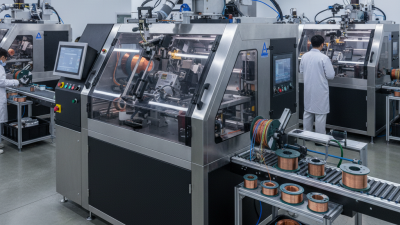
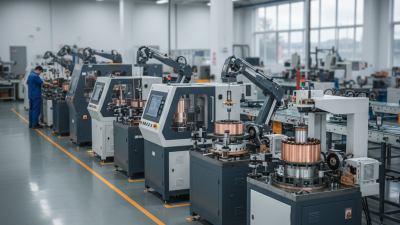
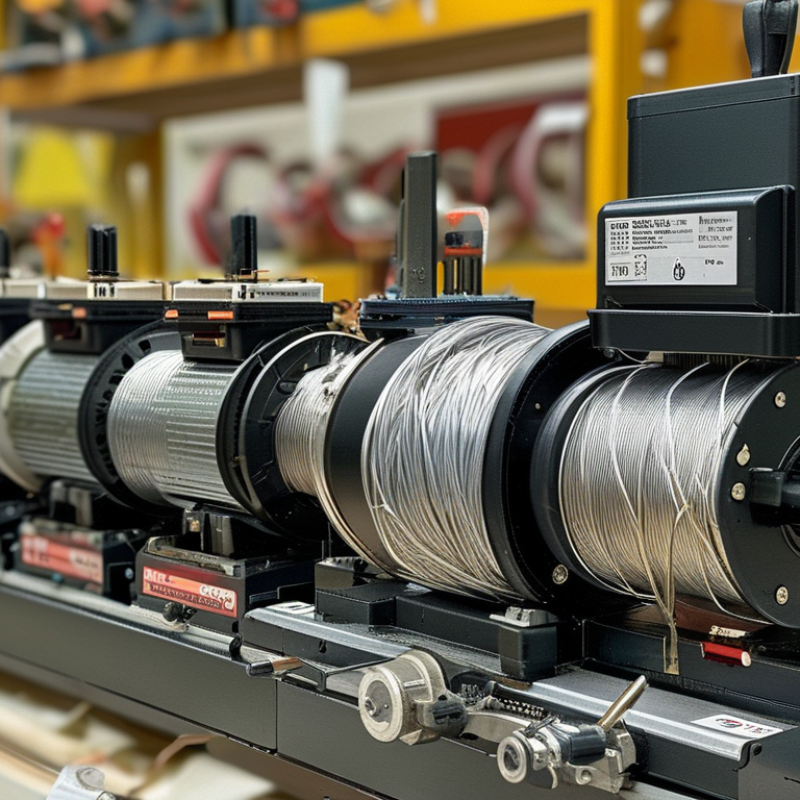
Motor winder machines play a crucial role in various manufacturing sectors. These machines facilitate the winding of coils, which are essential components in electric motors, transformers, and generators. According to a recent industry report, the global market for motor winding machines is projected to grow by 7% annually, demonstrating increased demand across multiple industries. Understanding the components and functions of these machines can greatly enhance efficiency and productivity.

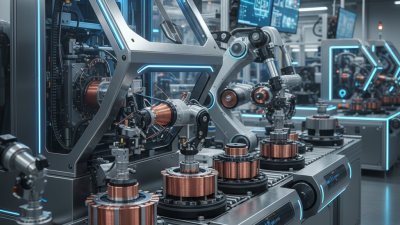
The operation of a motor winder machine involves several critical parts, including spools, tension control systems, and programmable controllers. Each component influences the quality and precision of winding. For instance, precise tension control prevents wire damage and ensures uniformity. A report by the International Electrotechnical Commission highlighted that improper winding can result in up to 20% power loss in motors. This emphasizes the need for investing in quality machines that focus on precision.

However, not all machines serve the same purpose. Different applications may require specialized features. Many users encounter challenges, such as inadequate training on machine operation, which can lead to inefficiencies. An industry survey revealed that 30% of operators felt unprepared to handle advanced winding machines. This gap in knowledge suggests a pressing need for more comprehensive training and support within the industry. Investing time in understanding these machines can lead to better resource management and operational success.

Key Features to Look for in a Motor Winder Machine

When searching for the best motor winder machine, understanding key features is crucial. Look for machines with adjustable tension settings. These settings allow for better control over winding operations. A well-designed tension system minimizes the risk of wire breakage. It's an essential aspect for reliable results.

Another important feature is speed control. Different winding tasks require varying speeds. Machines that enable speed adjustments enhance versatility. A good motor winder allows for slow and fast winding options. This flexibility can significantly impact the quality of your work.

Think about user-friendly interfaces. An intuitive design allows operators to focus on winding, not troubleshooting. Good machines offer digital displays for easy settings adjustments. Remember, maintenance access matters too. Regular upkeep can prolong the machine's lifespan. The accessibility of key components is often overlooked but should be considered.

Tips: Choose a machine that fits your workspace. Compact models can be great for limited spaces. Always check user reviews. Real experiences provide insight into the machine's performance.

2026 Best Motor Winder Machine for Global Buyers Tips? - Key Features to Look for in a Motor Winder Machine

Feature Description Importance
Motor Type AC, DC, or Stepper motors Affects performance and energy efficiency
Winding Speed RPM of winding process Higher speeds improve productivity
Control System Digital or Manual controls Influences ease of use and precision
Material Compatibility Types of wire or coils supported Ensures versatility for different jobs
Safety Features Overload protection, emergency stops Protects operators and equipment
Portability Weight and ease of movement Facilitates use in various locations
Price Range Indicative cost of the machine Determines project budget

Top Brands and Models of Motor Winder Machines for 2026

When choosing a motor winder machine for 2026, several top brands stand out in the market for their reliability and performance. These machines are essential in various industries, from electronics to automotive manufacturing. When evaluating different models, look for those with user-friendly interfaces and strong customer support. Simplicity in operation can save time and reduce errors, making any project smoother.

One important factor is the machine's winding speed and precision. Models with adjustable speeds offer flexibility for different tasks. However, some machines can struggle with tension control, leading to inconsistent winding. It's crucial to assess reviews and user feedback to understand these nuances. Moreover, consider the machine's build quality and warranty terms. A well-built machine often translates to longer lifespan and better ROI.

Moreover, exploring options that provide training and resources can be beneficial. Some brands focus on technical support, which can alleviate issues during initial setups. Yet, potential buyers must be aware of the learning curve associated with advanced features. Understanding whether the added complexity aligns with your needs is vital for effective selection. Ultimately, the right choice depends on balancing features with practical application in your specific environment.

Buying Tips for Global Buyers of Motor Winder Machines

When considering a motor winder machine, it's essential to focus on several critical factors. Understanding your specific requirements is crucial. What type of winding will you perform? Different tasks may require different machines. Consider the winding size, speed, and precision you need. Additionally, evaluate the materials your machine will handle. Not all machines are versatile enough to accommodate various wire types.

Pay close attention to the machine's durability and maintenance needs. A robust machine may save you costs in the long run. Research user reviews and specifications to gauge reliability. However, remember that sometimes, user experiences can be subjective. Look for patterns in feedback, not just isolated opinions. Don't overlook the importance of manufacturer support. A reliable customer service team can make a difference in case of issues.

Lastly, factor in the budget without compromising on essential features. It's tempting to go for the cheapest option, but this can lead to regret later. Be wary of machines that seem too good to be true; often, they have hidden flaws. Consider taking advice from experienced buyers. Their insights can provide valuable perspectives that online reviews may miss. Your decision should ultimately balance cost, functionality, and reliability.

Maintenance and Support for Your Motor Winder Machine

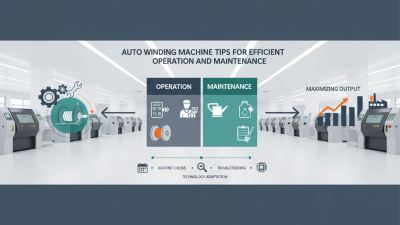
Maintaining your motor winder machine is crucial for optimal performance. Regular inspections should focus on key components, such as bearings and electrical connections. Dust and debris can accumulate, reducing efficiency. Keep a maintenance log to track when these tasks are completed, ensuring nothing is overlooked.

Here are some tips to enhance longevity. Always keep lubricants at the recommended levels. In addition, pay attention to unusual noises or vibrations; these can indicate underlying issues. Use quality replacement parts when repairs are necessary. This can prevent future problems and maintain the machine's reliability.

Investing in support services can be beneficial. Some providers offer training to familiarize operators with best practices. Additionally, create a troubleshooting guide tailored to your specific machine. This document can aid in quick resolutions and minimize downtime. Regular communication with support teams empowers users, building confidence in handling minor issues independently.