Top Automatic Winding Machines for Global Buyers?
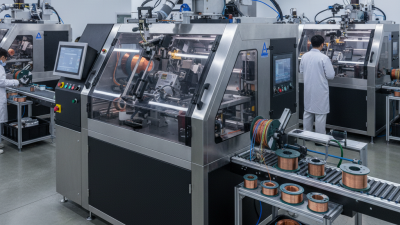
In today's manufacturing landscape, automatic winding machines play a crucial role in various industries. These machines enhance efficiency and precision in winding processes. Understanding the best options available is vital for global buyers looking to invest in technology that offers both reliability and quality.
As industries demand higher productivity, automatic winding machines have evolved. The market offers a range of machines tailored to different materials and applications. Buyers must navigate this landscape carefully, considering factors like machine speed, ease of use, and maintenance requirements. Each machine has its strengths and weaknesses, making it essential to analyze individual needs and specifications.
Choosing the right automatic winding machine can be daunting. Factors such as budget, volume, and intended use must inform decisions. Engaging with trusted suppliers and industry experts can minimize risks and improve outcomes. With the right information, global buyers can make informed investments in this essential equipment.
Overview of Automatic Winding Machines and Their Importance
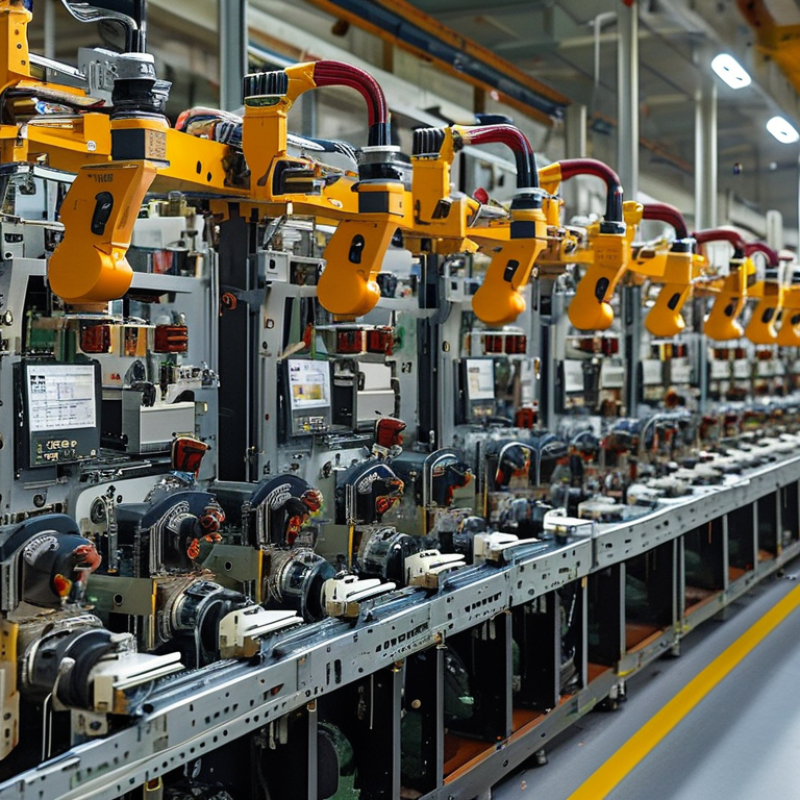
Automatic winding machines play a vital role in various industries. These machines help in winding wire, thread, and other materials efficiently. Their precision and speed enhance production quality.
The importance of these machines cannot be overstated. They improve efficiency in manufacturing while reducing human error. Operators can focus on other tasks, allowing for higher productivity. However, not all machines perform perfectly. Some may require frequent adjustments. Regular maintenance is essential to ensure longevity and optimal performance.
Training staff to use these machines effectively is crucial. Workers must understand how to troubleshoot potential issues. Failure to do so can lead to costly downtime. A balance between automation and human oversight is necessary. As industries evolve, the demand for reliable and innovative winding solutions will continue to grow.
Top Automatic Winding Machines for Global Buyers
| Machine Type | Max Winding Speed (RPM) | Coil Diameter Range (mm) | Precision (mm) | Power Consumption (kW) | Automation Level |
|---|---|---|---|---|---|
| Horizontal Winding Machine | 1800 | 10 - 50 | ±0.01 | 5.5 | Full Automation |
| Vertical Winding Machine | 2000 | 15 - 60 | ±0.02 | 6.0 | Semi-Automation |
| Specialized Winding Machine | 2200 | 5 - 40 | ±0.005 | 7.5 | Full Automation |
| Multi-Spindle Winding Machine | 1500 | 20 - 80 | ±0.03 | 8.0 | Automation 70% |
Key Features to Consider When Choosing Automatic Winding Machines
When selecting automatic winding machines, buyers must consider several key features to ensure optimal performance. One critical aspect is the machine's speed and efficiency. According to a report by ResearchAndMarkets, the global automatic winding machine market is expected to grow significantly, driven by increasing demand across various industries. Machines that can operate at higher speeds while maintaining precision often lead to better productivity.
Another important feature is the compatibility and versatility of the machines. Different industries require different types of winding processes. Some machines offer the ability to handle various wire sizes and materials. This flexibility can be a game-changer in meeting diverse production needs. Moreover, customization options can enhance functionality in specific applications.
Reliability and durability are also paramount. A machine that frequently breaks down can lead to costly downtime. Therefore, it's essential to evaluate the build quality and support services of the manufacturer. Industry experts highlight the importance of choosing machines that come with comprehensive warranties and readily available replacement parts as a measure of long-term investment. Balancing these factors can sometimes feel overwhelming, but a thoughtful approach ensures better decision-making in selecting the right winding machine.
Leading Brands of Automatic Winding Machines for Global Markets
The automatic winding machine industry is witnessing significant growth. According to recent market analysis, the global demand for these machines is expected to reach USD 5 billion by 2026. Major trends driving this market include the increase in automation and efficiency in various production processes.
Leading brands in this sector focus on enhancing their technologies. Innovations such as advanced control systems and user-friendly interfaces are common. Additionally, the integration of artificial intelligence is transforming how winding machines operate. Recent reports indicate that machines with AI capabilities can improve productivity by up to 30%.
However, not all brands achieve optimal results. Some machine users face challenges related to machine maintenance and reliability. A notable percentage of buyers report difficulties with technical support. These issues highlight the need for manufacturers to prioritize customer service. Overall, the competition among automatic winding machine brands continues to intensify, pushing for higher standards and better solutions.
Comparative Analysis of Automatic Winding Machines Efficiency
The efficiency of automatic winding machines plays a crucial role in the manufacturing process. High-quality machines can significantly reduce production time and material waste. They accomplish this by offering precise tension control and consistent winding patterns, which are vital for product integrity. A machine that excels may have the potential to enhance overall productivity.
However, not all winding machines deliver the same level of efficiency. Some may struggle with specific materials or sizes, leading to inconsistent results. This can prompt manufacturers to reevaluate their choice of machinery. Operators often find that certain models require more frequent maintenance, impacting long-term reliability. Observing how a machine performs under varying conditions can reveal its true capabilities.
In recent analyses, some machines demonstrated remarkable speeds and accuracy. Yet, the complexity of operating these machines sometimes presents challenges. Proper training for staff is essential. Without adequate knowledge, even the best machine may fall short of its potential. Having a deep understanding of how each model functions can lead to better decision-making in the selection process. Such insights could ultimately influence the success of production lines internationally.
Future Trends in Automatic Winding Technology and Innovations
The landscape of automatic winding technology is evolving rapidly. Innovations focus on boosting efficiency and reducing waste in production lines. Manufacturers are leaning towards smart machinery with connected features. These machines can analyze data in real-time. This capability enhances decision-making during winding processes. As industries embrace automation, the demand for these advanced technologies continues to grow.
Tips for choosing the right machine: Consider the material types and winding applications you’ll use. Evaluate the machine’s adaptability to various production needs. Transparency in the supplier’s reputation is crucial. Seek machines that offer easy maintenance and support. It’s essential to think about your future needs as well.
While progress is notable, some challenges remain. Integrating new technologies into existing processes can be complex. Training staff to operate advanced machines requires time and resources. Users may face a learning curve that can impact productivity initially. Reflecting on these points ensures a smoother transition to new methods. Embracing innovation with caution can lead to long-term benefits.
Related Posts
-
What is an Auto Winding Machine? Exploring Efficiency and Precision in Coil Production
-
Top 5 Winding Machines for Efficient Production in 2026?
-
What is Automated Machine Learning Its Impact on Industry Growth and Efficiency
-
2026 Best Automatic Motor Coil Winding Machine Reviews and Buying Guide?
-
Auto Winding Machine Tips for Efficient Operation and Maintenance Guide
-
How to Choose the Best Multi Spindle Winding Machine?