How to Choose the Best Multi Spindle Winding Machine?
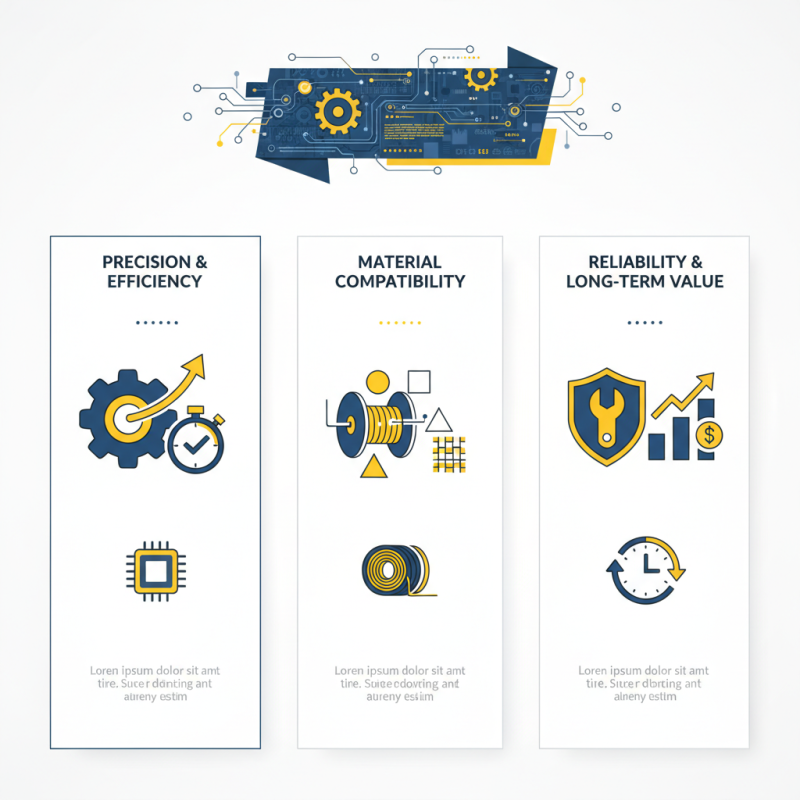
When selecting a multi spindle winding machine, it's crucial to consider several factors. Industry expert Dr. Emily Chen once stated, “Precision and efficiency are key when choosing the right equipment.” This underscores the importance of aligning the machine's features with production needs.
A multi spindle winding machine can significantly enhance productivity. However, not every model suits every application. Understanding your specific requirements is vital. For example, consider the types of materials you'll be working with. The right machine should handle them effortlessly, ensuring consistent results.
Moreover, remember that while advanced features attract attention, reliability remains paramount. A machine that frequently breaks down can lead to costly delays. Reflect on your long-term needs, as initial costs may not reflect total lifetime value. Investing in a reliable multi spindle winding machine pays off, but the choice is not always straightforward.
Understanding Multi Spindle Winding Machines: A Basic Overview
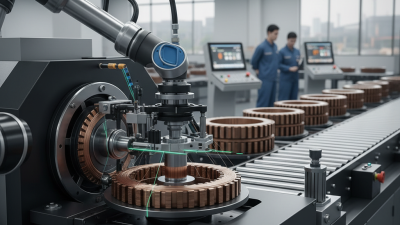
Multi spindle winding machines are essential tools in various manufacturing sectors. These machines allow for efficient winding of coils, transformers, and other components. Understanding their basic features is crucial for making an informed decision.
The key to choosing the right multi spindle winding machine lies in knowing its capabilities. Machines vary in speed, accuracy, and the number of spindles. Some models can handle complex winding patterns, while others are suited for simpler tasks. It's important to evaluate specific production needs before making a selection.
Manufacturers often overlook maintenance when considering these machines. Regular upkeep increases the lifespan of the equipment. Additionally, operator training cannot be underestimated. Experienced operators can maximize productivity, while novices might struggle. Balancing machine capabilities and user expertise ensures optimal performance.
Performance Comparison of Multi Spindle Winding Machines
Key Factors to Consider When Selecting a Multi Spindle Winding Machine
Choosing the right multi spindle winding machine can greatly impact your production efficiency. Start by evaluating the machine's capability to handle different wire sizes. Look for machines that offer flexibility in winding tension and speed. This adaptability is crucial for producing high-quality output. A machine that struggles with tension control may lead to defects and waste.
Consider the ease of operation and maintenance. A user-friendly interface can reduce training time for operators. Machines that require frequent servicing can disrupt workflows and hinder productivity. Take time to explore different models and assess their downtime. It is essential to find a balance between advanced features and reliability.
Budget constraints often play a role in decision-making. While a lower initial investment may seem appealing, long-term costs matter. It's important to reflect on the total cost of ownership, including energy consumption and repair expenses. Opt for machines that promise longevity, even if they require a higher upfront cost. Make a list of your core needs and align them with potential models.
Comparing Different Types of Multi Spindle Winding Machines
When selecting the best multi-spindle winding machine, understanding the various types available is crucial. There are several configurations, including vertical, horizontal, and robotic designs. Each type caters to specific winding requirements in industries like textiles and electronics. According to industry reports, vertical machines are preferred for high-speed operations, while horizontal models offer versatility in material handling.
Tips: Prioritize efficiency and production volume. Compare the speed ratings of different machines. Look into the specific features that impact winding quality.
Robotic winding machines are gaining traction. They provide precision and flexibility, minimizing human error. A recent report indicated that robotic systems can increase productivity by up to 30%. However, they also come with higher initial costs. It's important to weigh the long-term benefits against the investment. Even with advanced options, some businesses may encounter challenges in integration and maintenance.
Tips: Ensure your team is trained in new technologies. Analyze ongoing costs versus initial savings. Consider future scaling needs.
Evaluating Performance and Efficiency of Winding Machines
When evaluating the performance and efficiency of multi-spindle winding machines, several factors come into play. One must consider the machine's speed. A high-speed machine can significantly increase output. However, it is essential to assess whether this speed compromises winding quality. Some machines may excel in speed but result in inconsistent winding tension. This imbalance can lead to product defects.
Another critical aspect is the machine's versatility. A winding machine should handle various wire sizes and types efficiently. It is essential to analyze how easily it adapts to different projects. A machine that demands frequent adjustments for different tasks might hinder productivity. Test the setup process for multiple configurations. Reliable machines often reduce setup time significantly, allowing for smoother operations.
Finally, energy efficiency is becoming increasingly important. Machines that consume less power lower operational costs. Research shows that energy-efficient models can substantially impact long-term expenses. However, ensure these machines maintain performance levels. Balancing efficiency with robust performance is crucial for a wise investment. Users should weigh these elements carefully to make informed decisions.
How to Choose the Best Multi Spindle Winding Machine?
| Feature | Measurement | Rating (1-10) |
|---|---|---|
| Speed | RPM | 8 |
| Number of Spindles | Count | 6 |
| Power Consumption | kW | 7 |
| Precision | mm | 9 |
| Cost Efficiency | $/unit | 7 |
| Ease of Use | Usability Score | 8 |
| Maintenance Frequency | Months | 6 |
Budget Considerations for Purchasing Multi Spindle Winding Machines
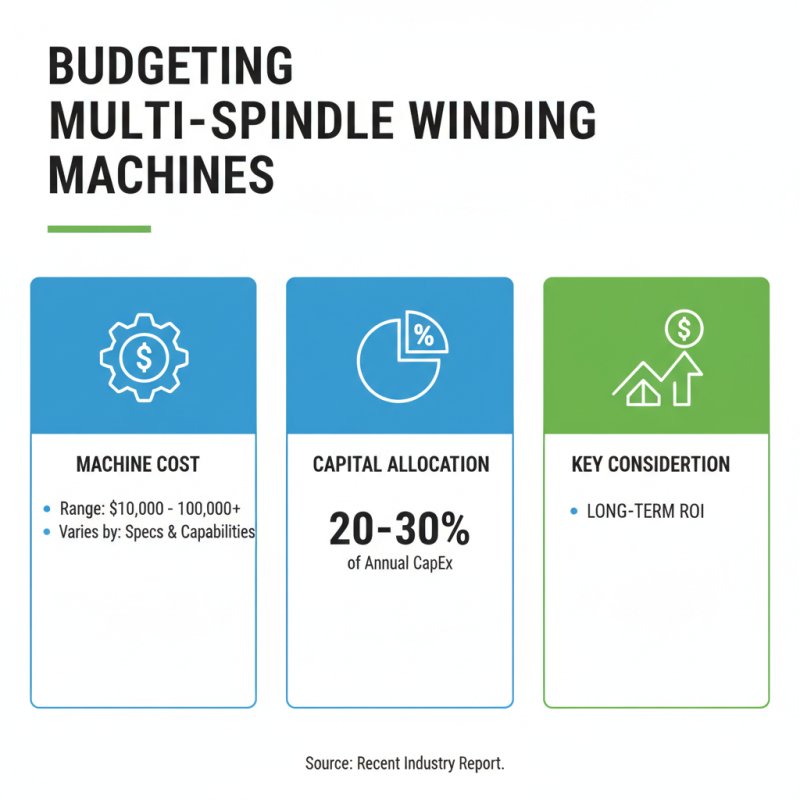
When considering the purchase of a multi-spindle winding machine, budget is a crucial factor. These machines can vary significantly in price, ranging from $10,000 to over $100,000 depending on their specifications and capabilities. According to a recent industry report, companies allocate around 20-30% of their annual capital expenditure on such equipment. Hence, understanding the long-term return on investment is essential.
Lower-priced models may entice buyers but often lack advanced features. These basic machines might lead to higher operational costs over time. For instance, a study by the Manufacturing Institute revealed that companies could save up to 15% in production costs by investing in higher-end models that offer automation and higher efficiency.
Ultimately, it’s essential to balance initial costs with expected performance. Gathering data from industry peers and consulting with experts can help inform decisions. A well-thought-out budget will not only address immediate financial considerations but will also reflect on future production needs. Reflecting on whether to invest in top-tier equipment now or to settle for a poorer option might determine your operational success in the long run.
Related Posts
-
Top Benefits of Using an Automatic Stator Winding Machine?
-
Best Automatic Winding Machine for Global Buyers in 2026?
-
Auto Winding Machine Tips for Efficient Operation and Maintenance Guide
-
Revolutionizing Efficiency How Motor Winding Automatic Machines Transform Manufacturing
-
How to Choose the Right Winding Machine for Your Production Needs?
-

10 Essential Tips for Choosing the Best Auto Winding Machine?