China Best Wire Winding Machine Supplier?

Choosing the best wire winding machine supplier in China is not simply a matter of comparing prices. The right partner should understand your wire type, winding dimensions, production volume, and required tolerances. A machine that handles thin copper wire may not suit a heavier coil or a different insulation material. Details matter.

This guide explains how to assess suppliers using practical questions, not broad promises. Ask for machine specifications, clear operating videos, and sample results using material similar to yours. Check whether the controls, tension system, and winding tooling match your production needs. A neat showroom is useful, but it cannot prove consistent performance on a busy factory floor. Request customer references where possible, and clarify installation, training, spare parts, and response times before placing an order.

Reliable evaluation also means checking what can be verified. Confirm the supplier’s business details, review quality documents relevant to your market, and agree on acceptance criteria in writing. If possible, arrange a live test or an independent inspection. Not every buyer can travel. Even a careful checklist can miss problems, so keep communication specific and retain records of key commitments. This article outlines the factors that can help manufacturers compare Chinese suppliers and choose equipment suited to real production demands—not just an attractive quotation.
China Best Wire Winding Machine Supplier?

What Is a Wire Winding Machine and How Does It Work?

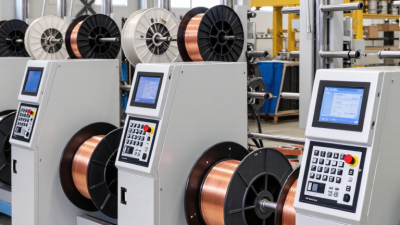
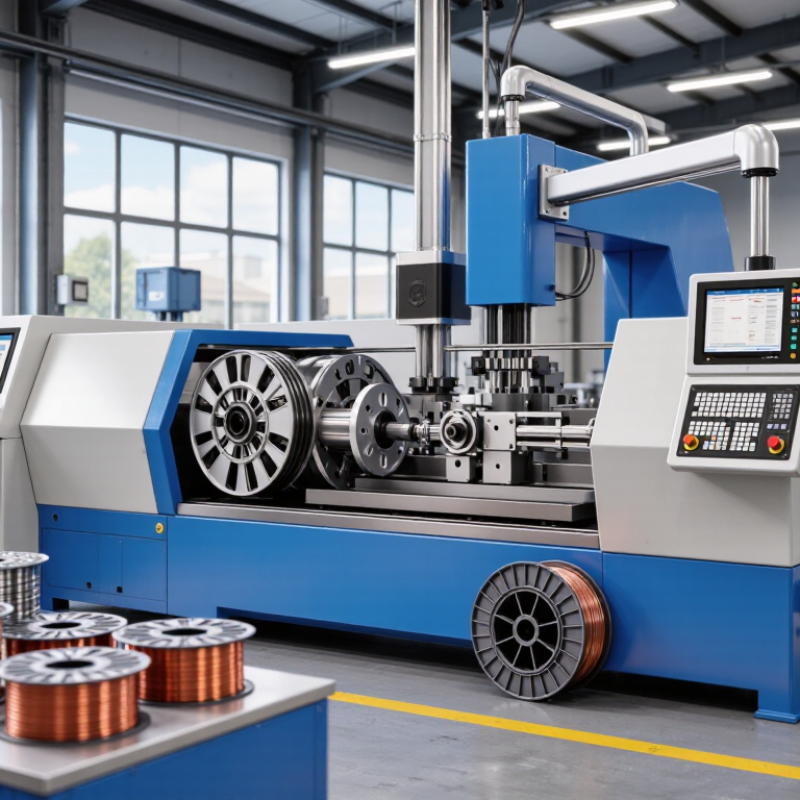
A wire winding machine forms wire into a controlled coil or onto a spool. It feeds wire from a supply reel, guides it across the winding surface, and rotates a spindle or bobbin. The operator sets details such as winding speed, coil dimensions, and the spacing between turns. A tensioner keeps the wire taut without pulling it too hard. Small changes matter. Excessive tension can stretch or damage fine wire, while loose tension may leave uneven layers.

As the spindle turns, a guide moves side to side to lay each turn beside the previous one. Some machines use sensors or programmed controls to maintain speed and guide position; simpler models rely more on manual adjustments. For example, if a coil builds up more heavily on one edge, the guide travel or winding settings may need correction. The finished coil should be even, secure, and suited to its intended use. Results still depend on wire thickness, spool shape, and setup. A machine is not automatically precise just because it is automated; operators need to inspect the first few layers and adjust carefully.

Main Types of Wire Winding Machines and Their Applications

China Best Wire Winding Machine Supplier?

Main Types of Wire Winding Machines and Their Applications

Wire winding machines range from simple manual units to programmable, fully automatic systems. Manual machines suit prototypes and short runs, where an operator guides the wire and checks each layer. Semi-automatic models add controlled tension and preset turns, useful for repair shops and small transformer production. They still depend on careful setup.

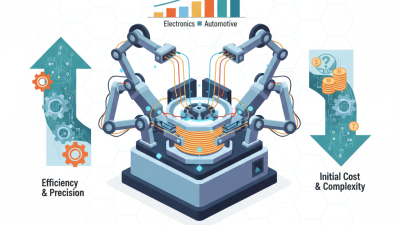
Automatic coil winders handle repeat orders with programmed speed, pitch, and turn counts. Flyer winders suit many bobbin coils, while needle winders can place wire into compact stator slots. Toroidal machines wrap wire around ring-shaped cores, often used in transformers and inductors. For motor production, stator winders form copper coils that must fit tightly without damaging insulation. Small details matter: a rough guide edge can nick enamel.

Demand helps explain this range. The IEA’s Global EV Outlook 2024 reports nearly 14 million electric car sales in 2023, about 18% of global car sales. That growth supports demand for traction motors and precise stator winding, though vehicle designs differ. A machine’s advertised speed alone is not enough. Buyers should test actual wire diameter, coil geometry, changeover time, and rejection rate using their own materials. There is no universal best fit. Even a good specification can miss a stubborn production issue.

Key Criteria for Evaluating Chinese Wire Winding Machine Suppliers

China Best Wire Winding Machine Supplier?
Key Criteria for Evaluating Chinese Wire Winding Machine Suppliers

Choosing a supplier starts with your actual production needs, not a glossy machine photo. Check the wire diameter range, winding speed, tension control, and coil dimensions against your parts. Ask how quickly operators can change tooling between jobs. A machine that runs smoothly on one sample may behave differently with thinner wire or a tighter winding pattern. Request a trial using your material and specifications.

Tips: Bring a sample spool and a drawing of your coil. Ask the supplier to record tension settings, cycle time, and finished dimensions during the test. Small details matter.

Look closely at service as well as machine features. Ask what training is included, which spare parts are kept available, and how technical support works across time zones. Clear manuals and labeled electrical diagrams can save hours during maintenance. Check the warranty terms in writing, and confirm which components it covers. A checklist can still miss a small mismatch, so leave time for a real production trial. It is easy to focus on speed and overlook setup effort. Ask for references from users with similar wire and output requirements, then compare their experience with your own test results.

China Best Wire Winding Machine Supplier? - Key Criteria for Evaluating Chinese Wire Winding Machine Suppliers

Evaluation Criterion What to Check Evidence to Request Why It Matters
Application and machine fit Confirm compatibility with the wire material and diameter, coil or component dimensions, winding pattern, and required production volume. A written specification review and a demonstration using representative workpieces or equivalent material. Machine capability depends on the product and process; a general machine description alone does not establish suitability.
Technical specifications Review winding stations, spindle or axis configuration, tension control, wire-feeding method, control system, and stated operating limits. A model-specific datasheet, electrical drawings, operating manual, and clarification of any optional features. Clear, model-specific specifications help prevent misunderstandings about standard equipment and achievable performance.
Sample quality and repeatability Assess winding consistency, coil dimensions, wire placement, tension stability, and the handling of starts, stops, and changeovers. Sample parts from a trial run, agreed acceptance criteria, and recorded test conditions. A sample run provides a more relevant basis for judging process capability than a catalog claim.
Production and acceptance testing Establish how the machine will be inspected and tested before shipment, including the test duration and acceptance criteria. A written factory acceptance test plan, test records, and a documented procedure for resolving nonconformities. Defined acceptance checks make delivery expectations and pre-shipment verification clearer for both parties.
Quality management and traceability Check whether incoming parts, assembly, inspections, and corrective actions are controlled and documented. Relevant quality-system certificates, inspection records, and examples of component or serial-number traceability. Documented controls can help demonstrate how quality issues are identified, tracked, and addressed.
Safety and regulatory requirements Identify the safety and electrical requirements applicable in the destination market, including guarding, emergency stops, labeling, and documentation. Risk-assessment information, electrical documentation, applicable conformity documents, and details of the tested machine configuration. Compliance depends on the destination and machine configuration; certificates should be checked for scope and applicability.
Service and spare parts Confirm technical support channels, response arrangements, spare-parts availability, and troubleshooting coverage after installation. Service terms, spare-parts list, recommended consumables, support hours, and escalation procedure. A clear support plan helps buyers prepare for maintenance and minimize avoidable production interruptions.
Installation and training Determine what is included for commissioning, operator training, language support, and handover of operating documents. A written installation scope, training agenda, training format, and list of manuals supplied. Defined handover arrangements help the buyer plan site readiness and prepare operators to use the equipment.
Commercial terms and delivery Review the quotation scope, exclusions, delivery schedule, packaging, payment milestones, warranty terms, and change-control process. A detailed quotation and contract that state the machine configuration, responsibilities, milestones, and remedies for agreed issues. Written terms reduce ambiguity about price, delivery responsibilities, and what is included in the purchase.
Supplier verification Verify the supplier’s legal business details, manufacturing or integration capabilities, and experience with comparable applications. Business registration information, a live factory or production review, and customer references where available and authorized. Independent checks help distinguish demonstrated capability from unsupported marketing statements.

Evaluation note: Compare suppliers against the same product requirements, test conditions, documentation, and commercial scope. Confirm all performance and compliance claims in writing before ordering.

Manufacturing, Quality Control, and Customization Capabilities

China Best Wire Winding Machine Supplier?

Manufacturing, Quality Control, and Customization Capabilities

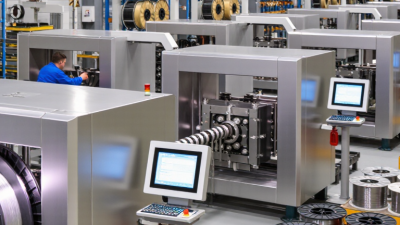
A capable supplier should show how a machine performs beyond a polished showroom demonstration. Ask for winding samples using your wire diameter, bobbin, and target tension. Watch the operator change recipes, align the traverse, and restart after a stop. Small details matter. A stable process should produce repeatable coil geometry, not just impressive speed.

Market growth adds pressure to make equipment adaptable. Grand View Research valued the global wire and cable market at USD 202.4 billion in 2023, with a projected 4.9% compound annual growth rate from 2024 to 2030. The IEA’s Electricity 2024 report also projects electricity demand growth averaging 3.4% annually in 2024–2026. These figures describe demand, not machine performance; buyers still need evidence from their own production conditions.

Quality control should cover incoming components, assembly checks, and documented run-off tests. Request records for tension accuracy, winding repeatability, changeover time, and rejected samples. Customization may involve spindle count, wire guides, software recipes, safety guarding, or integration with existing lines. Yet every option adds complexity. A supplier should explain what can be standardized, what requires engineering, and how spare parts will be supported. One test is never enough. A longer trial may reveal heat, vibration, or operator issues that a short demonstration misses.

How to Verify a Supplier and Compare Equipment Offers

A reliable wire winding machine supplier should provide verifiable evidence, not just a polished catalogue. Ask for a live demonstration using wire close to your diameter and a bobbin similar to yours. Watch how the machine controls tension, guides the wire, and handles a stop or restart. Small details matter. Request a written specification, operating manual, and clear information about installation and operator training.

Compare offers using identical requirements. Check wire diameter range, bobbin dimensions, winding speed, tension settings, recipe storage, and changeover time. Confirm which tooling, fixtures, and safety guards are included. A quoted maximum speed may apply only to a particular wire and setup. Ask the supplier to show a sample winding and record the settings. That changes everything. Compare warranty coverage, spare-part availability, service response times, and the cost of routine maintenance, not only the purchase price.

Before ordering, speak with a customer who runs similar production, if one is available. Ask how the machine performs after several months, not only during installation. Review the acceptance-test criteria in writing, including what happens if the machine misses agreed specifications. A factory visit or video call can help, but it cannot replace testing your own material. I would still leave room for doubt: real production conditions often expose small issues that a demonstration does not.

How to Verify a Wire Winding Machine Supplier

Example buyer-defined evaluation weights for comparing supplier offers—not market statistics. Score each supplier against the same criteria using documented evidence.

How to use: Verify technical fit against your wire, coil, and production requirements; review quality documents and references; define acceptance tests before purchase; confirm service and spare-parts support; and compare total cost, including installation and training. The weights total 100% and can be adjusted to your project.