Best Motor Winding Machine for Efficient Production Today?
In the evolving landscape of manufacturing, the motor winding machine stands out as essential equipment. Experts like Dr. Emily Crane, a leading authority in motor technologies, assert, "Choosing the right motor winding machine is crucial for enhancing production efficiency." This statement resonates with many manufacturers today.
Motor winding machines play a pivotal role in the automotive and electronics sectors. Their design and functionality lead to improved productivity and reduced waste. For instance, advanced models now include programmable settings for various winding patterns. This flexibility allows for tailored solutions, but not every machine meets every need. Some users report challenges in adapting to new technologies.
The quest for the best motor winding machine is not straightforward. Each production line has unique requirements. Evaluating machines based on reliability and performance can reveal gaps in current systems. As technology advances, continuous reflection on these choices becomes necessary.
Best Motor Winding Machines: An Overview of Current Market Leaders
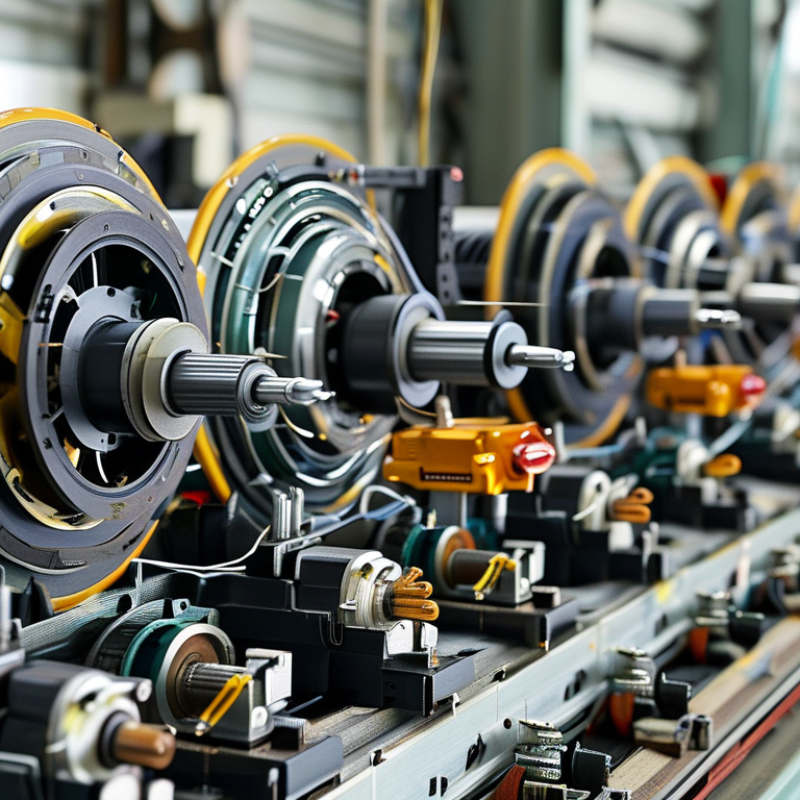
In today's fast-paced manufacturing environment, choosing the right motor winding machine is crucial. Recent industry reports indicate a growing demand for efficient production processes. According to a market research study by Grand View Research, the motor winding machine market is projected to reach $1.6 billion by 2027. The evolution of technology plays a significant role in this growth, as many companies adopt automatic and semi-automatic systems.
Selecting a machine that fits your specific production needs can be challenging. Assess your production scale and technical requirements. Robust machines often offer better precision and speed. Look for features like programmable control and easy maintenance. These elements can enhance your production efficiency and minimize downtime.
Key Features to Consider When Choosing a Motor Winding Machine
When selecting a motor winding machine, it's crucial to prioritize certain features. Efficiency in production is often tied to automation capabilities. Machines that integrate programmable logic controllers (PLCs) allow for precise control over winding parameters. This can reduce human error and increase output consistency. Moreover, look for machines that offer variable speed settings. They let operators adjust the winding speed based on the material type, improving overall efficiency.
Durability is another essential feature. A reliable motor winding machine should withstand continuous operation without frequent breakdowns. This resilience often translates to lower maintenance costs. User-friendly interfaces also play a significant role. Operators should easily navigate the controls. Complex machines can pose challenges, especially for those less experienced. Additionally, consider machines that allow for easy setup and changeover. Flexibility is vital in responding to different production needs.
Investing time in research is necessary. Not every machine will suit every application. Some may prioritize speed, while others emphasize precision. Evaluating how a machine aligns with your specific requirements is vital. Seek insights from experienced operators to understand real-life performance. This feedback can highlight potential drawbacks that may not be visible at first glance.
Best Motor Winding Machine for Efficient Production Today
| Feature | Description | Importance |
|---|---|---|
| Winding Speed | Ability to wind coils at high speeds for increased productivity. | High |
| Precision Control | Ensures accurate winding to meet specification requirements. | Critical |
| Automation | Integration of automated features to reduce manual intervention. | High |
| User Interface | Intuitive controls for easy operation and monitoring. | Moderate |
| Durability | Built to withstand rigorous production environments. | High |
| Versatility | Ability to handle various types and sizes of coils. | Moderate |
Efficiency Metrics: Comparing Production Output and Speed
Achieving efficiency in motor winding production is crucial in today’s competitive market. Recent industry reports reveal that machinery designed for motor winding can significantly impact production outputs. A key metric is production speed, which can vary from 300 to 1,000 units per hour, depending on the technology used. Traditional machines often struggle to keep up, leading to bottlenecks and reduced output.
Conversely, advanced machines integrating artificial intelligence are gaining attention. They can fine-tune winding parameters autonomously, optimizing speed and consistency. A study indicated that adopting such technology could increase productivity by up to 40%. Despite these advancements, some manufacturers still face challenges in transitioning. Resistance to change in established processes often leads to inconsistencies in output quality. This emphasizes the need for ongoing training and adaptation, ensuring that staff can fully leverage new capabilities.
Furthermore, the reliability of equipment also plays a role in efficiency metrics. Downtime for maintenance can drastically affect production timelines. Reports show that 15% of production time can be lost to equipment failures. Companies must regularly evaluate their machinery to minimize these disruptions. Balancing speed with dependable output remains a critical challenge for many in the industry.
Technological Advancements Impacting Motor Winding Efficiency
The motor winding industry is undergoing significant changes driven by technological advancements. Automation is reshaping production lines, with reports indicating a 30% increase in efficiency thanks to robotic systems. These systems reduce human error and ensure consistent quality in winding processes. Improved precision leads to better performance in motors, which is crucial for industries relying on high-efficiency equipment.
Moreover, the integration of IoT technology has transformed how machines operate. Smart sensors optimize winding processes by providing real-time data on temperature and tension. This data allows for adjustments that enhance precision and minimize waste. According to a recent industry report, companies adopting IoT solutions have seen a reduction in material waste by up to 25%.
Tip: Embrace automation to streamline your winding processes. Investigate sensors that provide real-time feedback. Regularly maintain equipment to prevent unexpected downtimes. Continuous improvement in processes can drive greater overall efficiency. Stay informed about emerging technologies that can boost productivity. Research and education are vital in navigating these advancements.
Cost-Benefit Analysis: Investing in High-Quality Winding Equipment
Investing in high-quality winding equipment is essential for efficient production. Businesses often face a dilemma between cost and performance. While cheaper machines may save money initially, they can lead to increased maintenance costs and lower productivity over time. High-quality winding machines can handle diverse wire types and improve production rates, making them a worthy investment.
When choosing winding equipment, focus on durability and efficiency. Look for machines with advanced features that can reduce setup time and enhance precision. These features might add to the upfront cost but can yield significant savings in the long run. Regular maintenance is crucial. Neglecting upkeep can lead to breakdowns, impacting overall production.
Tips: Consider your production needs carefully. Invest in machines that offer flexibility for various projects. Additionally, ensure proper training for operators. Inadequate training can lead to poor operation, ultimately wasting resources. Make adjustments based on feedback and performance metrics. Reflect on your processes periodically to identify areas for improvement. Balancing cost and quality may not be easy, but thoughtful consideration will lead to better outcomes.
Related Posts
-
Auto Winding Machine Tips for Efficient Operation and Maintenance Guide
-
What is the Best Automatic Winding Machine in 2026?
-
Why Choose an Air Coil Winding Machine for Your Manufacturing Needs?
-

10 Essential Tips for Choosing the Best Auto Winding Machine?
-
How to Choose the Right Winding Machine for Your Production Needs?
-
How to Choose the Best Automatic Winding Machine for Your Needs?