Top WPC Wall Panels in China Are They Worth the Investment?
WPC wall panels, or "Wpc Perete," are gaining popularity in China. These panels combine wood fibers and plastic, offering a unique building material that is both durable and aesthetically pleasing. Homeowners and builders are increasingly considering WPC panels for their projects. However, the question remains: Are they worth the investment?
Many manufacturers claim that WPC wall panels save on maintenance and last longer than traditional materials. They resist moisture, mold, and termites, which can lead to long-term savings. In urban environments, where aesthetics matter, these panels provide a clean and modern look. Nevertheless, not all WPC products are created equal, and quality varies significantly across brands.
Investors should reflect on their choices. While WPC panels might seem like a magic solution, careful research is crucial. Price points vary, and cheaper options may not deliver the same performance. Understanding the market is vital to avoid frustration later. Each project is unique. Consider both the immediate benefits and the long-term implications of the investment in WPC wall panels.
What Are WPC Wall Panels and How Do They Work?
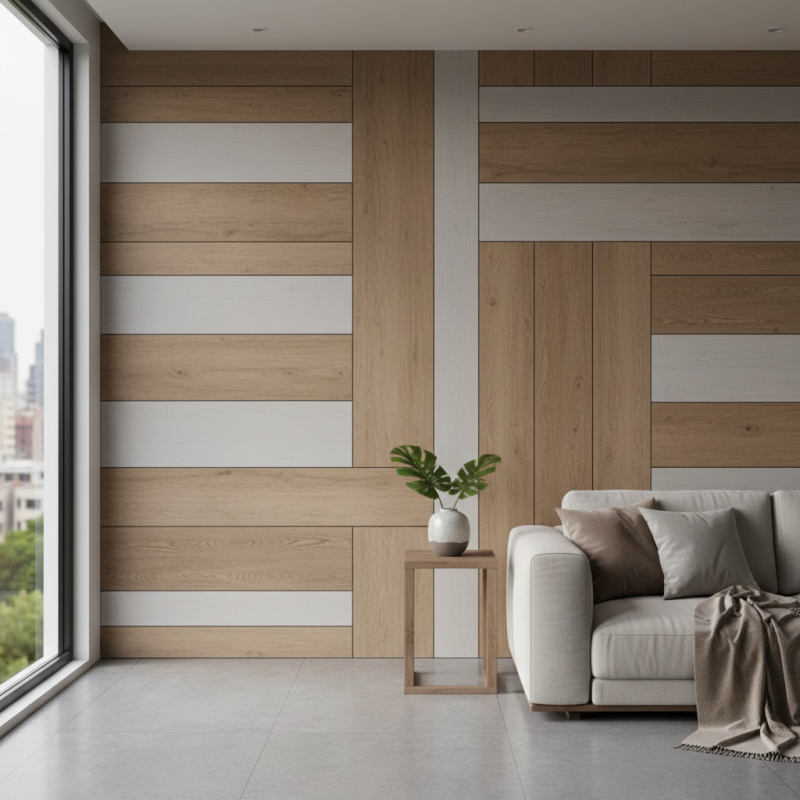
WPC wall panels, made from wood plastic composites, are gaining attention in construction and interior design. They combine the aesthetic appeal of wood with the durability of plastic. WPC panels resist water and pests, making them suitable for various environments.
These panels install easily, often requiring fewer tools and less labor. Their lightweight design is advantageous for both transportation and application.
However, some users report challenges with color fading and surface wear over time. This aspect invites reflection on the long-term benefits versus the initial costs.
In terms of sustainability, WPC panels are often touted for using recycled materials. This can reduce waste and contribute to eco-friendly building practices. Nonetheless, the manufacturing process itself may have environmental drawbacks, raising questions about their overall impact.
Understanding these nuances is crucial for anyone considering an investment in WPC wall panels.
Advantages of Using WPC Wall Panels in Construction
WPC (Wood Plastic Composite) wall panels are increasingly popular in the construction industry. These panels combine the aesthetics of wood with the durability of plastic. According to industry reports, the global WPC market is projected to reach $10 billion by 2025, highlighting their growing acceptance.
One of the key advantages of WPC wall panels is their resistance to moisture and pests. This makes them suitable for various climates. A study found that WPC materials can withstand 90% humidity without degrading. Additionally, WPC panels are lightweight, making them easy to install. Many construction professionals appreciate the time saved during installation.
However, their environmental impact warrants consideration. While WPC panels are often touted for sustainability, not all products are eco-friendly. Buyers should research the materials used in their production. Some panels may contain harmful additives. Choosing certified products can help mitigate these concerns. Periodic maintenance is also essential to extend the lifespan of WPC wall panels. Yet, many find the long-term benefits outweigh these challenges.
Comparative Analysis: WPC vs. Traditional Wall Panels
When comparing WPC (Wood-Plastic Composite) wall panels to traditional options, various factors come into play. WPC panels are made from a blend of wood fibers and plastic, resulting in a material that is resistant to moisture and pests. This property makes them a practical choice for humid environments. In contrast, traditional wood panels can warp and decay over time due to exposure to moisture.
One major aspect is durability. WPC panels often outlast traditional materials, which means lower maintenance costs in the long run. However, their initial investment can be higher. This may lead to uncertainty regarding their value. Are they truly worth the cost? Homeowners should evaluate their specific needs and consider potential long-term savings.
Tips: Prioritize areas where high moisture might be a concern. Think about how often you plan to maintain your walls. Selecting materials that reduce future costs can influence your decision. Research local climates and conditions as they affect performance. Don't overlook the aesthetic appeal of each option. Some find WPC panels visually appealing, while others prefer the classic look of traditional wood. Reflect on your personal style and home environment before deciding.
Market Trends: The Growth of WPC Wall Panels in China
The WPC (Wood Plastic Composite) wall panel market in China has seen significant growth recently. Many construction companies are turning to these panels due to their durability and sustainability. The increasing awareness around eco-friendly building materials has fueled this trend. WPC wall panels are composed of a blend of wood fibers and recycled plastic, making them both strong and visually appealing.
China's urbanization is further driving the demand. As cities expand, there is a greater need for innovative building solutions. WPC panels offer a lightweight and weather-resistant option. They are easy to install, reducing labor costs. Consumers are drawn to their aesthetic versatility, enhancing interior and exterior designs. However, some still question their long-term value.
Price fluctuations can raise concerns for many buyers. While upfront costs may seem appealing, longevity is key. There are cases where cheaper panels fade or warp over time. Choosing the right supplier is crucial to ensure quality. Professional advice can help mitigate risks. The market continues to evolve, and staying informed is essential for making wise investments.
Cost-Benefit Assessment: Are WPC Wall Panels Worth the Investment?
WPC wall panels, or wood-plastic composites, are gaining popularity in China. But are they worth the investment? A cost-benefit assessment reveals both advantages and potential drawbacks. According to a report from the China Building Materials Federation, WPC materials can cost approximately 20% more than traditional wood panels. However, they boast significantly higher durability and lower maintenance costs. With a lifespan of over 25 years, these panels can provide long-term savings.
Durability is a key factor. WPC panels resist moisture, pests, and warping. A study indicates that homeowners who installed WPC panels reported a 30% reduction in maintenance expenses over five years. Despite their higher initial cost, the longevity and low upkeep make WPC panels an attractive option.
Tips: Consider the environmental impact. WPC materials are often made from recycled products, making them a greener alternative. Assess your location's climate as humidity can affect performance. Research installation methods to avoid mishaps. Balancing cost with quality is crucial. While WPC panels require a higher upfront investment, their longevity can lead to significant savings in the long run.