

Top 10 Transfer Switch Tips for Global Buyers to Consider
In the realm of power management, the "Transfer Switch" is a critical component. Industry expert John Smith emphasizes, "Choosing the right transfer switch can make or break your backup power setup." This illustrates the importance of informed decision-making for global buyers.
When considering a transfer switch, factors like reliability and compliance are paramount. Quality and performance vary significantly across manufacturers. A poorly designed switch can lead to hazards, malfunction, or even equipment damage. Therefore, buyers must approach the market with caution, evaluating each option thoroughly.
Furthermore, understanding local regulations is essential. Not all switches will meet the requirements in your area. This complexity can be daunting. It requires diligence and reflection on the best choices. With the right guidance, buyers can navigate potential pitfalls and select the best transfer switch for their needs.
Key Factors to Assess When Choosing a Transfer Switch
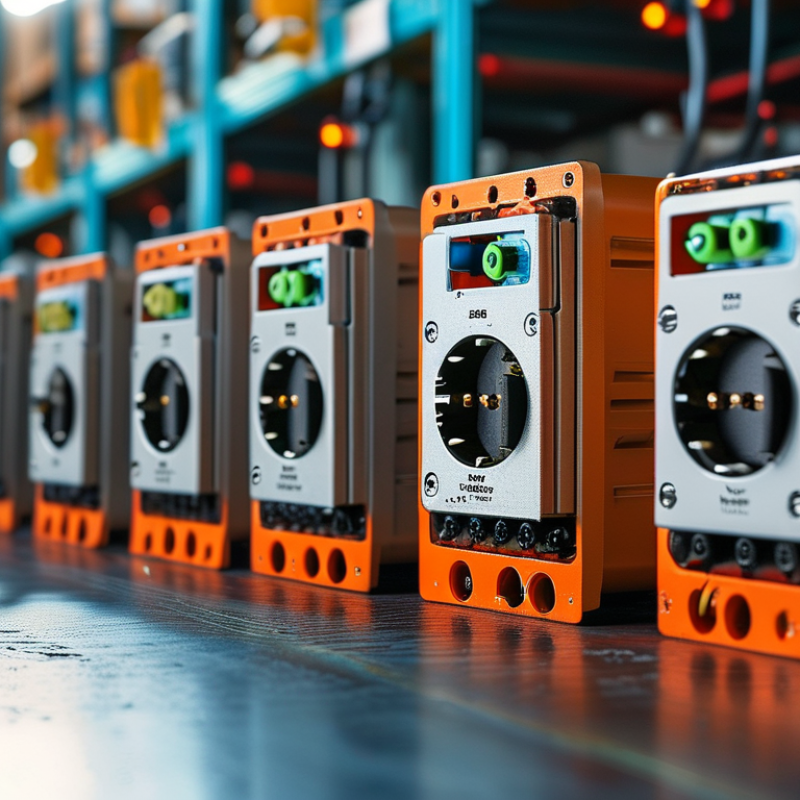
When choosing a transfer switch, several key factors come into play. Reliability is paramount. Buyers need to investigate the performance of the switch during crucial power outages. A reliable transfer switch ensures that power transfer is seamless, minimizing disruption. It's also vital to check the materials used in construction. Durable materials can significantly extend the life of the switch.
Next, consider the switch's capacity. It should match the generator output and the load requirements. An underpowered switch can lead to overheating, while an overpowered switch might not operate efficiently. Moreover, ease of installation is often overlooked. A straightforward installation process can save time and reduce labor costs. Complexity can lead to errors, so simpler is often better.
Finally, look at the support and resources available. Quality technical support can make a significant difference. Having access to manuals, FAQs, and customer service can ease installation and troubleshooting. However, manufacturers vary in support quality, which needs consideration. Identifying and reflecting on these factors can help avoid future complications in your decision-making process.

Understanding Different Types of Transfer Switches Available Globally
Transfer switches are critical for ensuring a seamless power supply during outages. They come in various types, each designed for specific applications. Manual transfer switches are commonly used in residential settings, allowing users to transfer power manually. In contrast, automatic transfer switches (ATS) provide a more sophisticated solution. These can detect power losses and switch to the backup supply without human intervention. According to a report by Grand View Research, the global transfer switch market is expected to reach $3.95 billion by 2027, driven by increasing demand for reliable energy solutions.
The installation and usage of transfer switches differ across regions. In Europe, the emphasis is on compliance with stringent safety standards. In the U.S., the National Electrical Code (NEC) provides guidelines for safe installations. However, discrepancies in implementation can lead to challenges. For instance, some regions may not have adequate electrical infrastructure to support these systems effectively. Buyers need to consider these local regulations and standards before making a purchase. This understanding can impact the efficiency and safety of their power backup systems.
Buyers should also recognize the importance of choosing the right switch rating. This is crucial for protecting both equipment and users. Oversizing a transfer switch can lead to unnecessary costs and inefficiencies. Conversely, under-sizing can result in equipment damage and system failures. Inadequate research on ratings and types can cause potential issues, so buyers must stay informed. Data from the International Electrotechnical Commission highlights the need for awareness in selecting transfer switches. An informed decision can significantly impact system reliability and performance.
Evaluating Transfer Switch Ratings and Specifications for Your Needs
When selecting a transfer switch, understanding ratings and specifications is essential. A transfer switch ensures seamless power transfer between your primary and backup power sources. Data from the National Electrical Manufacturers Association indicates that the right transfer switch can improve system reliability by over 25%. This emphasizes the importance of evaluating your specific requirements.
Consider the amperage rating first. Common household switches range from 30 to 200 amps. Choosing one that suits your energy needs can prevent equipment damage. Additionally, understanding the voltage requirements ensures compatibility with your generators. Many units operate on 120/240V, while others may handle three-phase power for commercial settings.
Another critical specification is the type of transfer switch. Manual switches are cost-effective but may lack the convenience of automatic switches. Automatic switches monitor power supply and switch accordingly, enhancing reliability. A survey by Utility Solutions found that nearly 60% of users prefer automatic switches for their efficiency. However, they often require more maintenance and carry higher initial costs. Analyzing these facets helps avoid potential pitfalls in the long run.
Importance of Compliance with Local Electrical Codes and Standards
When considering transfer switches, compliance with local electrical codes is crucial. Different regions have varying regulations. For instance, the National Electrical Code (NEC) in the United States outlines specific requirements for installation and operation. Failure to comply can lead to safety hazards and legal consequences. According to a recent industry report, nearly 30% of electrical failures are due to code violations.
Local standards often reflect environmental conditions and safety concerns. For example, in areas prone to severe weather, stricter guidelines ensure system reliability. Some regions require transfer switches to withstand certain voltage ratings. Understanding these nuances is essential for global buyers. Proper adherence protects users and ensures system longevity.
Buyers should consult local authorities or certified professionals before making decisions. A lack of knowledge can result in non-compliance. Observing local regulations minimizes risks. However, buyers often overlook these aspects. Rushing the installation process compromises safety and functionality. Awareness of codes and standards fosters responsible purchasing and installation practices.
Best Practices for Installation and Maintenance of Transfer Switches
When installing and maintaining transfer switches, it's essential to prioritize safety and efficiency. Proper installation can be a complicated process. It requires attention to detail and adherence to local codes. Always consult a qualified electrician. They can ensure your transfer switch meets all regulatory requirements.
One important tip is to regularly inspect the switch. Look for signs of wear or damage. Dust and moisture can accumulate, affecting performance. A routine check can prevent unexpected outages. Testing the switch under load conditions can also uncover potential issues.
Understanding the load capacity is crucial. Overloading a transfer switch can lead to failures. Make a detailed list of all connected devices. Ensure that the total does not exceed manufacturer guidelines. Keep communication open with your electrical contractors. Discuss any concerns or observations during maintenance sessions. Regular support ensures optimal operation and enhances reliability.
Top 10 Transfer Switch Tips for Global Buyers to Consider
| Tip Number | Tip Title | Description | Key Considerations |
|---|---|---|---|
| 1 | Choose the Right Type | Select between manual and automatic transfer switches based on your needs. | Evaluate your power requirements and usage scenarios. |
| 2 | Evaluate Load Capacity | Ensure your transfer switch can handle the maximum load of connected devices. | Calculate the combined wattage of essential equipment. |
| 3 | Consider Installation Location | Install in a dry, accessible location to facilitate maintenance and avoid water damage. | Ensure compliance with local building codes. |
| 4 | Use Quality Components | Invest in durable and reliable components for enhanced performance and longevity. | Research component ratings and warranty options. |
| 5 | Regular Maintenance Checks | Implement a routine maintenance schedule to ensure reliability and safety. | Document all inspections and repairs. |
| 6 | Test the System | Regularly test the transfer switch under load conditions to ensure proper operation. | Schedule tests during low-load periods. |
| 7 | Educate Users | Train operators on how to use the transfer switch and recognize potential issues. | Provide accessible manuals and training sessions. |
| 8 | Monitor Performance | Keep track of performance metrics to identify any irregularities early. | Use monitoring software if available. |
| 9 | Inspect Connections | Regularly check wiring connections for wear or damage to prevent failures. | Look for signs of corrosion or overheating. |
| 10 | Plan for Future Needs | Consider potential expansions in power need and choose a scalable solution. | Evaluate future equipment purchases and infrastructures. |