Top 5 Winding Machines for Efficient Production in 2026?

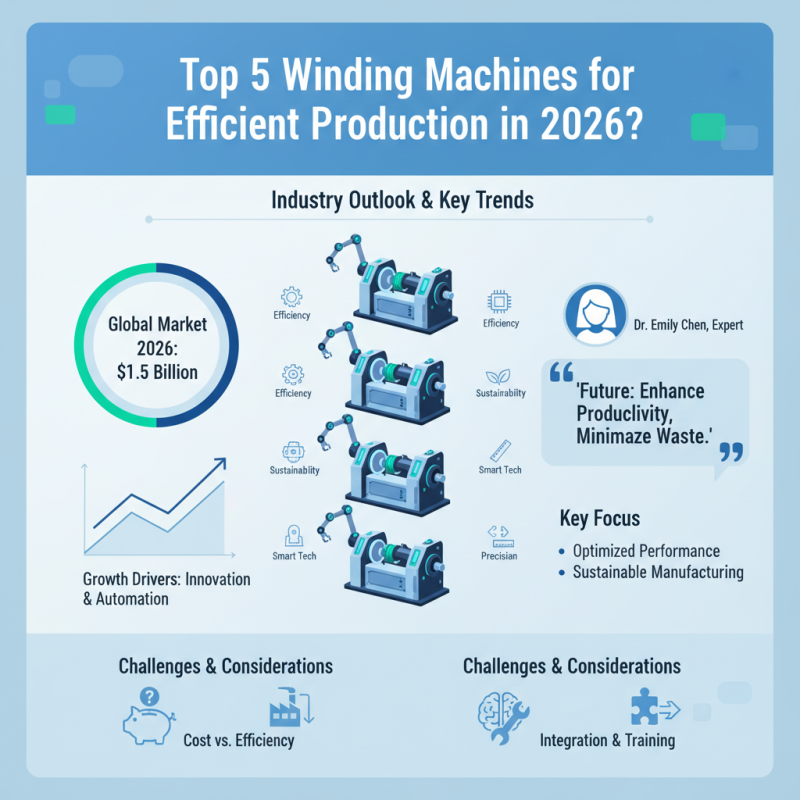
The winding machine industry is poised for significant advancements by 2026. With growing demand across sectors such as automotive and electronics, efficiency in production is crucial. Experts predict that the global winding machine market will reach $1.5 billion by 2026, as innovation and automation drive this growth.

Dr. Emily Chen, a leading expert in winding technologies, stated, “The future of winding machines lies in their ability to enhance productivity while minimizing waste.” This highlights the industry's focus on optimizing performance and sustainability. Companies are increasingly adopting advanced features like smart technology and precision winding capabilities.

However, challenges remain. Not every company can afford the latest winding machines, and the transition to new technology requires time and training. Some manufacturers may struggle with integration into existing processes. Balancing cost and efficiency will be a key factor in determining the success of winders in the coming years. Understanding these dynamics will be essential for stakeholders aiming to thrive in this evolving landscape.
Top 5 Winding Machines for Efficient Production in 2026?

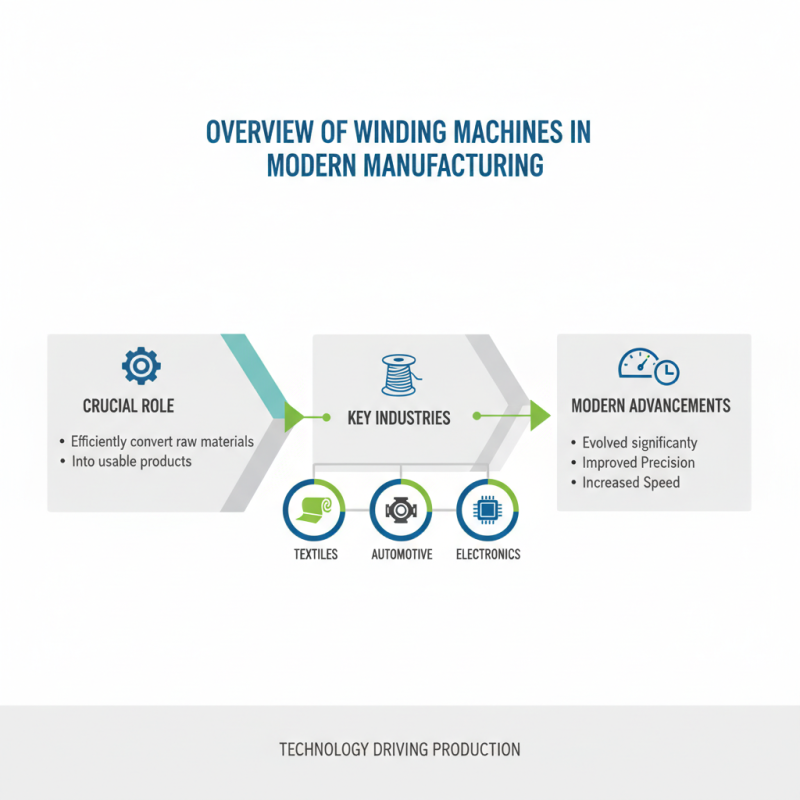
Overview of Winding Machines in Modern Manufacturing
Top 5 Winding Machines for Efficient Production in 2026?

Winding machines play a crucial role in modern manufacturing. They efficiently convert raw materials into usable products. This technology is vital in industries like textiles, automotive, and electronics. These machines have evolved significantly in recent years. They now offer better precision and speed.

In 2026, manufacturers are focusing on automation. Advanced software controls winding processes to minimize errors. Machine learning allows for adjustments based on real-time data. This creates higher production rates and lower waste. Companies are investing in training their workforce to understand these new technologies. However, challenges remain. Not all operators adapt quickly to these changes.

Reliability is essential for winding machines. Manufacturers need machines that can perform consistently over long periods. Regular maintenance is crucial to avoid unexpected downtimes. Some machines may still face issues with specific materials. Operators may find it hard to troubleshoot without adequate support. As production demands increase, these concerns need addressing. Overall, the landscape for winding machines continues to change.

Key Features to Consider for Winding Machines

When considering winding machines for efficient production, a few key features are crucial. The speed and precision of a winding machine significantly influence production outcomes. High-speed operations enhance throughput, while precision ensures consistent quality. Look for machines that use advanced sensors to monitor winding tension. This minimizes defects and reduces waste.

The ease of maintenance is another important aspect. Machines that are difficult to access for upkeep can lead to downtime. User-friendly designs allow operators to perform quick checks and repairs. Think about integration capabilities as well. Winding machines should seamlessly connect with existing production lines. This fosters workflow efficiency and minimizes disruptions.

Energy efficiency is gaining importance. Machines that consume less energy have lower operational costs. They also align with sustainability goals. Evaluate the options that use technology to optimize energy use. This aspect can lead to significant savings over time. As you explore available models, keep these features in mind. Each adds value to production, but none are perfect. Balancing cost and functionality is often a challenge.

Top 5 Winding Machines of 2026: A Detailed Comparison

In 2026, the demand for winding machines continues to evolve. These machines are essential for various industries, including textiles and electronics. Efficiency is key to production success. Many manufacturers are focusing on speed and precision. Some highlight innovative features that enhance user experience.

One prominent trend is automation. Advanced sensors can monitor tension and speed. This technology allows for real-time adjustments. Quality control becomes more reliable as a result. The user interface also plays a significant role. Intuitive designs help operators make quick decisions during production.

However, with innovation comes complexity. Operators may face learning curves. Training is necessary to maximize potential gains. Another point to consider is maintenance. Even the best machines require regular checks. Downtime can be costly, so it's crucial to invest in training and servicing. Balancing efficiency with reliability is a continual challenge in production environments.

Top 5 Winding Machines for Efficient Production in 2026

This chart illustrates the efficiency ratings of the top 5 winding machines of 2026 according to their production speed (in meters per minute) and energy consumption (in kWh). The data showcases the balance between speed and energy efficiency for optimal production.

Efficiency Metrics: How to Measure Production with Winding Machines

When selecting winding machines for production in 2026, efficiency metrics play a crucial role. These metrics help measure the productivity, speed, and quality of the machines. Key performance indicators (KPIs) such as output per hour, defect rates, and machine downtime are essential for evaluating efficiency.

To ensure consistent performance, regularly monitor the output rates. Adjust machine settings based on real-time data. Small changes can significantly impact production efficiency. Evaluate how long it takes to set up the machine. Reducing setup time leads to more productive operation periods.

Tips: Focus on training operators to understand the winding process deeply. Well-informed staff can spot inefficiencies quickly. Also, consider implementing predictive maintenance schedules. It prevents unplanned downtime, keeping production flow steady. Careful analysis of these metrics allows for informed decision-making and continuous improvement.

Future Trends in Winding Technology and Their Impact on Production

The winding technology landscape is evolving rapidly. In 2026, we can expect several trends shaping production efficiency. Automation will play a critical role. Machines equipped with advanced sensors will allow for real-time monitoring. This ensures precision in winding operations, minimizing errors and waste.

Sustainability will also emerge as a major focus. Manufacturers are increasingly adopting eco-friendly materials in winding processes. This shift not only reduces environmental impact but also appeals to conscientious consumers. However, integrating sustainable practices into existing workflows poses challenges.

Companies must also evaluate the balance between speed and quality. High production rates can lead to increased defects if not managed properly. Striving for the right mix of efficiency and craftsmanship will be crucial for long-term success. As these trends unfold, organizations must remain flexible and ready to adapt to new technology.

Top 5 Winding Machines for Efficient Production in 2026

Model Max Speed (RPM) Coil Diameter (mm) Power Consumption (kW) Features
Model A 1200 300 5.5 Automatic Tension Control, Touchscreen Interface
Model B 1500 250 4.0 Integrated Quality Monitoring, Multi-Functionality
Model C 1000 500 6.0 Easy Maintenance, High Precision
Model D 1300 400 7.5 Smart Automation, Energy Efficient
Model E 1100 350 5.0 User-Friendly Design, High Throughput