
Top 10 Vet Syringes for Global Buyers to Consider?
In the veterinary field, a reliable "Vet Syringe" is essential for effective treatment and care. Dr. Emily Carter, a leading expert in veterinary supplies, emphasizes the importance of quality, stating, "A good syringe can make all the difference in an animal's treatment." Selecting the right veterinary syringe is crucial for drug administration and fluid delivery.
With numerous options available, how does one determine the best choices? Quality, accuracy, and ease of use are key factors. Veterinary professionals require syringes designed for various applications. The market offers diverse styles, from standard syringes to specialized models for precise dosing. Each design serves distinct needs, but not all syringes meet safety and usability standards.
While many syringes perform well, some may lack reliability or accuracy. This inconsistency can impact treatment outcomes. Some products even remain on the market despite user complaints. Veterinary specialists must stay informed to avoid these pitfalls. Solid research and recommendations from peers can guide them to the top options available. As Dr. Carter suggests, wise purchasing decisions stem from understanding both the product and its applications.
Top 10 Vet Syringes: An Overview for Global Buyers
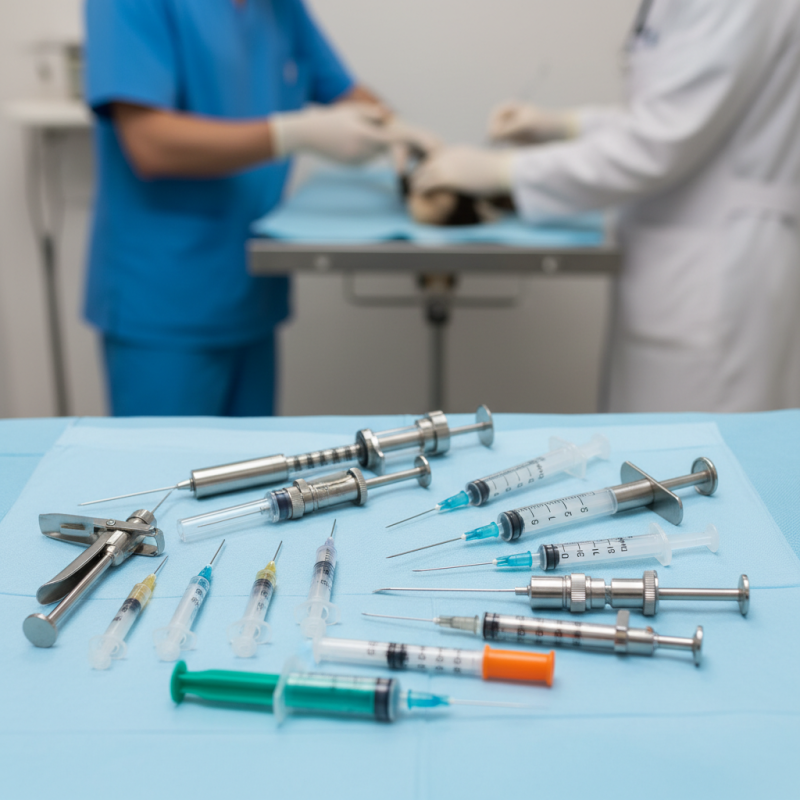
When selecting vet syringes, buyers should focus on quality and functionality. Vet syringes vary in sizes, types, and materials. It is essential to consider what specific needs you have for your practice or home care. Many options exist, from standard plastic syringes to more specialized ones for specific animals.
Tips: Always check the material for compatibility with the medications used. Some materials may react negatively to certain fluids. Additionally, look for syringes with clear markings for accurate dosing. Choosing the correct size is crucial for minimizing waste and ensuring proper administration.
While many syringes look similar, their performance can differ widely. Improper selection may lead to difficulties during use or affect the treatment's effectiveness. Take your time to read reviews and gather information from reliable sources. Sometimes, getting feedback from experienced veterinary professionals can provide deeper insights into the best options available.
Top 10 Vet Syringes for Global Buyers to Consider
| Syringe Type | Capacity (ml) | Material | Needle Gauge | Features |
|---|---|---|---|---|
| Luer Lock Syringe | 3 | Plastic | 22 | Secure connection, sterile |
| Insulin Syringe | 1 | Plastic | 29 | Fine needle, easy to read |
| Oral Syringe | 5 | Plastic | - | No needle, easy dosing |
| Catheter Tip Syringe | 60 | Plastic | - | Wide tip for fluids |
| BD Luer Slip Syringe | 10 | Plastic | 25 | Latex-free, safety features |
| Disposable Syringe | 5 | Plastic | 23 | Single-use, eco-friendly options |
| Multi-Dose Syringe | 10 | Plastic | 20 | Simple refilling, precise dosing |
| Vacutainer Syringe | 5 | Glass | 21 | Used for blood collection |
| Pre-filled Syringe | 3 | Glass/Plastic | - | Ready to use, convenient |
| Butterfly Needle Syringe | 5 | Plastic | 22 | Stabilizing wings, ease of use |

Key Features to Consider When Selecting Vet Syringes
When selecting vet syringes, several key features are essential. First, consider the syringe size. Different animal species require varying volumes. Smaller syringes work well for tiny pets. Larger syringes suit larger animals. Accurate measurements are crucial for effective medication delivery.
Needle design is another critical factor. A smooth, sharp needle ensures easy penetration with minimal discomfort. Some syringes offer detachable needles, allowing for customization. This can be beneficial when dealing with sensitive animals or specific treatment needs.
Additionally, material quality cannot be overlooked. High-grade plastic or glass syringes are preferable. They help prevent contamination and maintain integrity. It is vital to regularly inspect syringes for any damage. Using compromised syringes can lead to ineffective treatments. Reflect on these features to enhance your selection process significantly.
Comparative Analysis of Popular Vet Syringe Brands
When it comes to selecting the right veterinary syringes, understanding various options is crucial. The market offers a range of syringes, each with unique features. Some emphasize ease of use, while others focus on precision. This diversity means buyers can find syringes tailored to their specific needs.
One tip is to pay attention to the syringe's material. High-quality materials ensure durability and reliability. It's vital to choose syringes that are easy to clean and maintain. Additionally, consider the syringe's measurement scale. Clear markings help avoid dosage errors. Another aspect is the design; some syringes are crafted for better grip, enhancing user control.
In exploring popular brands, reflect on the feedback from other pet owners and veterinarians. Reviews can reveal strengths and weaknesses. However, remember that experiences vary. What works well for one person may not suit another. Stay open to trying different types for various applications, whether for medication delivery or vaccinations. This thoughtful approach aids in making informed decisions while shopping for veterinary syringes.
Safety and Maintenance Tips for Vet Syringes
When using veterinary syringes, safety and maintenance are paramount. A recent industry report highlights that improper use can lead to injury and infection in both animals and veterinarians. Therefore, understanding the nuances of these devices can greatly enhance safety and efficacy.
Regular maintenance of syringes is crucial. Always ensure syringes are cleaned after each use. Disinfect them properly to avoid cross-contamination. A study shows that 20% of infections in veterinary settings arise from improperly cleaned equipment. It’s essential to check for any signs of wear or damage regularly. A damaged syringe can lead to inaccurate dosing, hampering treatment outcomes.
Using syringes with appropriate safety features is also advisable. Needles should be retractable or have safety caps to prevent needle-stick injuries. According to data from the World Health Organization, approximately 30% of injuries among veterinary staff are needle-related. Educating staff on safe handling and disposal of syringes is vital. This proactive approach can minimize risks and improve overall workplace safety.
Field Applications of Vet Syringes in Veterinary Practices
Veterinary syringes play a critical role in animal care. They are used for administering medication, vaccines, and fluids. Understanding their applications can enhance treatment efficiency in veterinary practices.
In clinics, precise dosing is vital. Use syringes with clear measurements. It ensures accurate delivery of dosages. Different animals require varied sizes; small pets need smaller syringes, while larger animals might need larger volumes.
Tips for safe use include checking syringes for integrity before each use. Damaged syringes can lead to inaccurate dosing. Always dispose of syringes properly to prevent contamination. Regular training on syringe use is essential for staff. This minimizes errors and ensures animal safety.
The versatility of syringes is remarkable. They are also used in emergency situations for fluid resuscitation. In these cases, quick and accurate delivery can be lifesaving. However, improper administration can harm animals. Continual evaluation of practices is needed to improve care quality.
Syringes are also valuable in research settings. They help in collecting samples and administering tests. Ensuring the sterility of syringes is crucial to avoid cross-contamination. Monitoring results can help refine these procedures over time.