Top 10 Motor Coil Machine Types You Should Know?

In the world of manufacturing, motor coil machines play a crucial role. These machines are essential for producing high-quality electrical components. According to Dr. John Smith, a leading expert in the field, “The efficiency of motor coil machines can significantly impact production rates.” His statement highlights the importance of understanding various types of these machines.

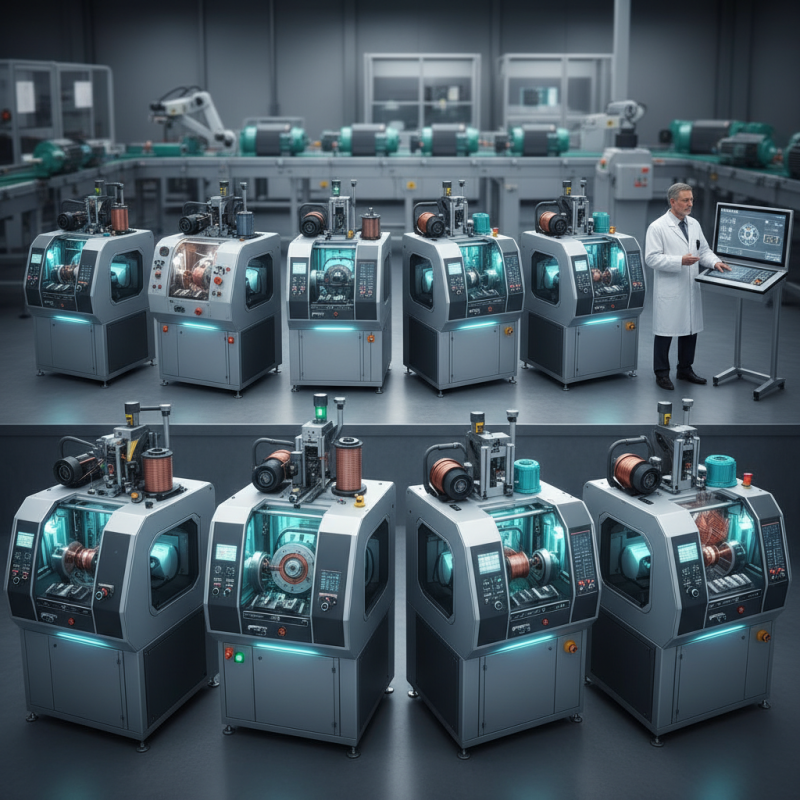
There are many motor coil machine types, each with unique features and applications. Knowing these types can help manufacturers choose the right machine for their needs. For instance, some machines specialize in winding coils, while others focus on testing and quality assurance. The diversity in design and functionality often leads to confusion, as many are unaware of the options available.

Many manufacturers overlook the intricacies of motor coil machines. This can result in suboptimal production practices. Understanding each type in detail is key. It’s not just about having a machine; it’s about having the right one. As technology evolves, so does the range of machines available. The challenge lies in staying informed to make the best choices.
Top 10 Motor Coil Machine Types You Should Know?

Types of Motor Coil Machines: An Overview of Key Categories

Motor coil machines are essential in various industries, driving electromechanical systems. Understanding their types helps in choosing the right one for specific applications.

The two main categories are AC and DC motor coil machines. AC machines are widely used for their efficiency in industrial applications. They often show lower energy losses according to industry reports. Conversely, DC machines provide high starting torque and are commonly used in portable equipment. A recent study indicated that 65% of motor applications prefer AC types for their longevity and reliability.

Tips: When selecting motor coils, consider the power requirements. Efficiencies over 90% can significantly reduce operational costs over time. Furthermore, ensure compatibility with existing systems to avoid unnecessary adjustments.

Step into subcategories like synchronous and asynchronous machines, each offering unique benefits. Synchronous machines maintain constant speed regardless of load but are complex in design. Asynchronous machines, on the other hand, are simpler and more affordable, yet may need more attention for speed variations. Industry trends show a shift towards asynchronous types due to cost-effectiveness.

Tips: Regular maintenance is crucial. Small issues can lead to larger failures if ignored. Prioritize inspections to enhance system longevity.
Essential Features of Various Motor Coil Machine Types Explored

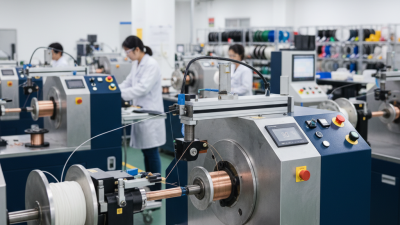
Motor coil machines come in various types, each designed for specific functions in industries. One widely used type is the winding machine, known for its efficiency in producing coils. These machines can be customized for different wire sizes, enhancing their versatility. They often feature programmable controls, allowing users to adjust tension and speed easily. This adaptability is crucial for meeting diverse production requirements.


Another essential type is the soldering machine. It plays a vital role in securing connections in coils. The precision of the soldering process directly influences the durability of the coils. These machines generally come with temperature control features, ensuring the soldering process is consistent. However, users must regularly calibrate them to maintain accuracy.


Lastly, consider the testing equipment for motor coils. This type verifies the quality and performance of finished products. Testing can uncover faults that affect the lifespan of coils. One challenge is that testing often requires a skilled operator. Training is necessary to avoid inaccuracies in results. Different machines cater to varied testing needs, but ensuring they are calibrated is often neglected. This can lead to costly setbacks, highlighting the importance of regular maintenance and operator training in the production line.

Understanding Applications: Where Each Coil Machine Shines

Coil machines play a pivotal role across various industries, each serving unique applications. For instance, winding machines excel in electrical applications. They create inductors and transformers which are vital in power distribution. According to industry reports, the global transformer market was valued at approximately $32 billion in 2022. This number is projected to grow, highlighting the significance of coil machines.

Each machine type has distinctive advantages. Needle winding machines are praised for their precision. They cater to the intricate demands of high-performance motors. This machine type ensures coils are wound with tight controls, minimizing waste. However, the learning curve can be steep. Operators may struggle without proper training.

In contrast, horizontal coil winding machines shine in mass production settings. Their efficiency is impressive, boosting production rates significantly. A study indicated that such machines can enhance output by nearly 30%. Consider investing in automation to further streamline operations.

Tips: Always assess the specific needs of your application. A mismatch can lead to inefficiency. Additionally, don’t overlook maintenance. Regular checks can prevent costly downtimes. Keep in mind, adapting to new technology can be daunting, but the benefits often outweigh the challenges.

Top 10 Motor Coil Machine Types You Should Know

Coil Machine Type Application Advantages Common Use Cases
Induction Coil Machine Metal Heating Fast and economical heating Forging, melting, and welding
Winding Machine Electromagnetic Coils Precision winding Transformers and inductors
Spot Welding Machine Joining Metal Parts Strong and durable joints Automobile manufacturing
Transformer Coil Winding Machine Electrical Equipment Efficient production Power transformers
Automatic Coil Machine High-Volume Manufacturing Automation and consistency Consumer electronics
Manual Coil Winder Small Scale Projects Cost-effective Hobby projects
Coil Testing Machine Quality Control Assures reliability Manufacturing inspections
Capacitor Induction Coil Machine Electronics High efficiency Circuit boards
Coil Forming Machine Custom Shapes Versatile applications Various industrial parts

Technological Innovations in Motor Coil Machines: A 2023 Perspective

Top 10 Motor Coil Machine Types You Should Know?

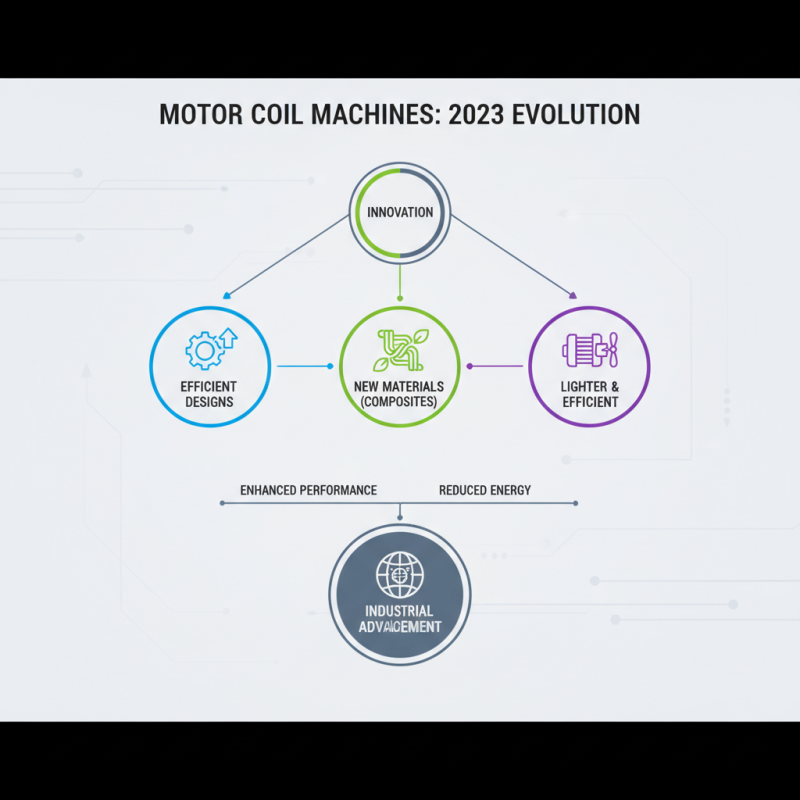
The landscape of motor coil machines is evolving rapidly. In 2023, innovation plays a key role. Engineers are exploring more efficient designs and materials. This evolution is essential for various industries. Lightweight composite materials are becoming more common. They enhance performance while reducing energy consumption.

Additionally, automation is gaining traction. Smart sensors now monitor coil condition in real-time. This technology improves maintenance and efficiency. However, these advancements come with challenges. Not every facility has the resources to implement these innovations. Smaller operations may find the transition difficult. The cost of new technology can be prohibitive.

Moreover, sustainability is a pressing concern. There’s an increased focus on eco-friendly manufacturing methods. Yet, the industry still struggles with waste management. Finding a balance between advancement and environmental responsibility remains complex. As we move forward, the need for practical solutions becomes more evident. The future of motor coil machines is bright but requires careful thought.

Market Trends and Industry Demand for Motor Coil Machines in Manufacturing

The demand for motor coil machines is rapidly growing in the manufacturing sector. According to recent market research, the global motor coil machine market is projected to expand at a CAGR of over 5% through the next five years. This growth reflects a rising need for efficient manufacturing processes and enhanced automation capabilities. Industries like automotive, aerospace, and electronics heavily rely on these machines for the production of electric motors and transformers.

Investors are increasingly focused on advanced coil winding technologies. They aim to improve energy efficiency and reduce manufacturing costs. A noteworthy trend is the adoption of smart technologies. These innovations allow machines to collect and analyze data in real-time, optimizing production processes. Manufacturers are realizing that embracing these technologies can lead to significant competitive advantages.

Tips: When considering motor coil machines, assess your production needs thoroughly. Invest in training for your workforce to ensure they can handle new technologies effectively. Remember, the machinery must evolve with industry demands.

However, companies sometimes overlook the importance of maintenance. Neglecting regular checks can lead to breakdowns. This can halt production and increase costs. Being proactive can prevent such issues. Adapting to market changes swiftly is essential for staying relevant. Recognizing these trends and adjusting operations can foster significant growth.

Top 10 Motor Coil Machine Types - Market Demand Analysis