Top 10 Hydraulic Pump Physics Facts You're Missing Out On?
Hydraulic pumps are essential in various industries, playing a vital role in machinery and fluid systems. Understanding the physics behind hydraulic pumps brings clarity to their function and efficiency. The hydraulic pump physics, or "гидравлический насос физика," reveals principles that can significantly optimize performance and energy consumption.
According to the National Fluid Power Association, hydraulic systems can improve energy efficiency by up to 30% through proper design and function. However, many engineers overlook crucial physics concepts that can lead to inefficiencies. Poor pump selection or improper sizing can result in significant energy losses.
Additionally, research shows that maintenance practices are often neglected. Many facilities experience costly downtime due to pump failures that could have been avoided with better understanding. Industry data suggests that regular maintenance can extend pump life by 25%. Emphasizing these physics facts can lead to improved reliability and lower operational costs for hydraulic systems. Engaging in this knowledge is not just beneficial; it is necessary for progressing in hydraulic technology.
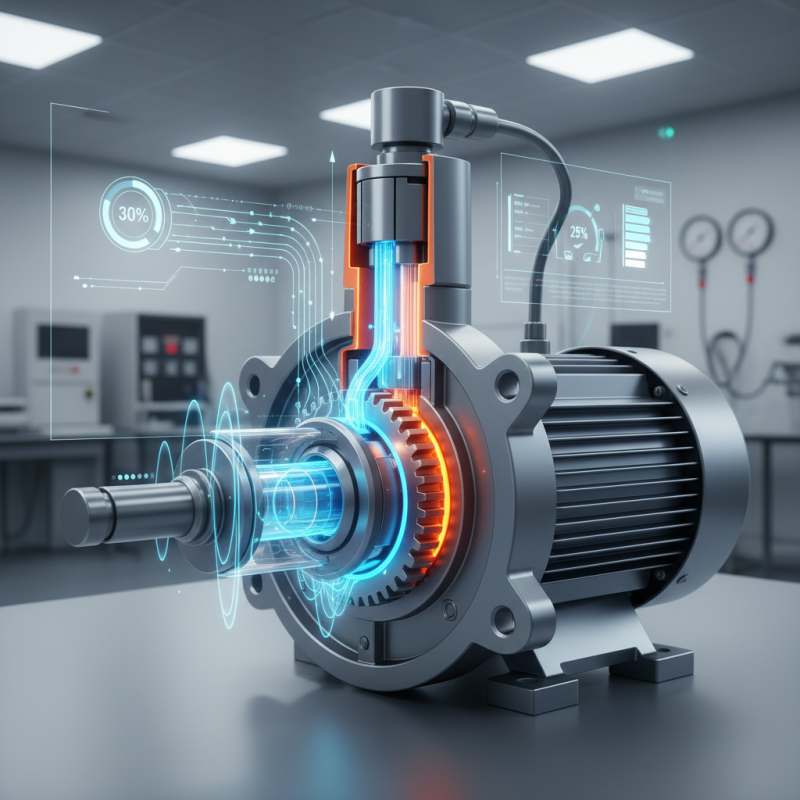
Understanding the Basics of Hydraulic Pump Physics: Key Concepts Explained
Hydraulic pumps are crucial in various industries, providing power for heavy machinery and tools. To understand their physics, it's essential to grasp key concepts. The basic principle behind hydraulic pumps is Pascal’s Law. This law states that a change in pressure applied to a confined fluid is transmitted undiminished throughout the fluid. This means even a small input force can produce a large output force.
In hydraulic systems, efficiency is critical. Industry reports show that a well-designed hydraulic pump can achieve efficiency rates over 90%. However, factors like wear and tear can significantly reduce this efficiency. Regular maintenance and inspection are essential to ensure optimal performance. Hydraulic fluid choice also plays a role. The right fluid can enhance system longevity and efficiency.
Tip: Keep your hydraulic system clean and free of contaminants. Small particles can cause damage and reduce efficiency.
Another important concept is flow rate. The flow rate affects how fast hydraulic systems operate. Most hydraulic pumps have a specified flow rate in gallons per minute (GPM). It's vital to match the pump with the system’s needs.
Tip: Avoid oversizing your hydraulic pump. An oversized pump can lead to inefficient operation and increased energy consumption.
Understanding these basics helps maximize hydraulic system performance. Evaluate your system regularly for improvements.
The Role of Pascal's Principle in Hydraulic Pump Efficiency and Power Output
Pascal's Principle plays a crucial role in the efficiency and power output of hydraulic pumps. This principle states that when pressure is applied to a confined fluid, it is transmitted equally in all directions. This concept is essential for the operation of hydraulic systems, allowing them to amplify force. In hydraulic pumps, achieving optimal efficiency hinges on how well this principle is utilized. According to the American Society of Mechanical Engineers (ASME), properly designed hydraulic systems can achieve efficiency rates exceeding 90%.
The design of hydraulic pumps often pushes the limits of Pascal's Principle. Minor leaks can significantly reduce performance. A study from the International Journal of Fluid Mechanics Research indicates that even a 1% leak can lead to a 10% drop in efficiency. This reflects the importance of regular maintenance and careful design in preventing such issues. Precision in component manufacturing also affects how these systems operate. Manufacturers often face dilemmas when balancing cost and quality. Failing to address these aspects can lead to lower reliability and increased operational costs.
In practice, the power output of hydraulic pumps is directly influenced by fluid selection, temperature, and system pressure. Research highlights that using the wrong hydraulic fluid can decrease efficiency by up to 20%. Temperature fluctuations also impact fluid viscosity, influencing flow rates and pressure levels. Recognizing these nuances can greatly enhance performance. Engineers must continuously evaluate these factors to maximize hydraulic pump efficiency while ensuring sustainable operations.
Fluid Dynamics: How Viscosity Impacts Hydraulic Pump Performance
Viscosity is a key factor in the performance of hydraulic pumps. It describes how thick or thin a fluid is. Higher viscosity means greater resistance to flow. This can lead to increased energy consumption. A pump must work harder, reducing its overall efficiency.
When fluid viscosity changes, so does the behavior of hydraulic systems. Thicker fluids can cause cavitation. This is when vapor bubbles form and collapse, potentially damaging the pump. Low-viscosity fluids, on the other hand, flow easily but may not provide sufficient lubrication. This trade-off presents a challenge for engineers.
Understanding viscosity helps in system design. Consider the operating temperature and the type of fluid used. Fluids can behave differently under varying conditions. The balance between viscosity and pump performance is delicate. Too much thickness can hinder flow, while too little can lead to wear and tear. Engineers often struggle to find the ideal viscosity for their systems. Continuous testing and adjustment are essential for optimal function.
Calculating Flow Rate: The Importance of Displacement in Hydraulic Systems
In hydraulic systems, flow rate is a critical factor that directly affects performance. Displacement plays a vital role in determining how much fluid a pump can move. Displacement refers to the volume of fluid that a pump can create per revolution. Understanding this concept is essential for optimizing system efficiency.
When calculating flow rate, consider the pump's displacement and speed. The relationship is straightforward. Higher displacement combined with increased pump speed yields a greater flow rate. For an application to run effectively, matching these variables is necessary. An underperforming pump may lead to inefficiencies or system failure.
Tip: Regularly monitor the pump's performance metrics. Inconsistencies in output may indicate issues with displacement or other internal components.
While many operators focus solely on pressure ratings, flow rate deserves equal attention. Failing to recognize this can result in inadequate system responses. A deeper dive into fluid dynamics might reveal a flaw in your setup. Checking for leaks or obstructions can help ensure optimal flow.
Tip: Conduct routine maintenance checks. Clean filters and inspect hoses regularly. This practice will minimize disruptions in flow and ensure longevity.
Common Misconceptions About Hydraulic Pump Maintenance and Lifespan
Hydraulic pumps are vital in various industries, yet many misconceptions surround their maintenance and lifespan. A common belief is that regular lubrication isn't necessary if the pump operates smoothly. In reality, inadequate lubrication can lead to accelerated wear and pump failure. Many operators overlook this critical detail, assuming that a lack of noise indicates all is well.
Another misconception is that hydraulic pumps are "set and forget" components. Routine checks are crucial to ensure optimal performance. Ignoring filters or oil reservoir levels can lead to serious issues. Excessive heat, often caused by low fluid levels, can break down the hydraulic fluid. This breakdown increases wear on internal components, affecting the overall lifespan of the pump.
While some may think that replacing a pump is straightforward, there's much more to it. The installation process requires careful attention to alignment and mounting. Improper installation can lead to immediate failure. Pump operators need to consider these nuances, as addressing them can extend the life of the equipment significantly. Overall, understanding these factors is essential for effective hydraulic pump upkeep.