Who Are the Top Aerosol Can Filler Manufacturers in China?
Choosing an Aerosol Can Filler manufacturer in China calls for more than comparing prices or production figures. Buyers need to understand what each supplier actually builds, how its equipment fits a specific product, and what support follows installation. A compact line may suit a smaller facility, while a higher-output system can require more space, operators, and maintenance planning. Details matter.
This guide examines manufacturers through practical questions: available filling and sealing equipment, can-size flexibility, changeover time, quality checks, technical documentation, and access to spare parts. These details can reveal whether a supplier’s offering matches a buyer’s operating needs. A polished brochure is useful, but it cannot replace a clear equipment specification or a factory assessment. That is not enough.
The word “top” should be treated as a starting point, not a universal ranking. Manufacturer capabilities and service arrangements can change, and published claims may not answer every technical question. Buyers should request current specifications, discuss sample products, and confirm performance expectations directly with suppliers. Where information is not independently verified, it deserves a second look. This overview offers a structured introduction to Chinese manufacturers, while leaving room for careful due diligence before any purchasing decision.
What Does an Aerosol Can Filler Manufacturer Do?
An aerosol can filler manufacturer designs and builds equipment that places a measured product and propellant into compatible containers. The work starts with the customer’s product, can dimensions, valve type, and target output. These details shape the filling heads, crimping station, conveyor, and control system. Small details count. A valve seated slightly off-center can affect the seal, so crimp quality needs consistent checks.
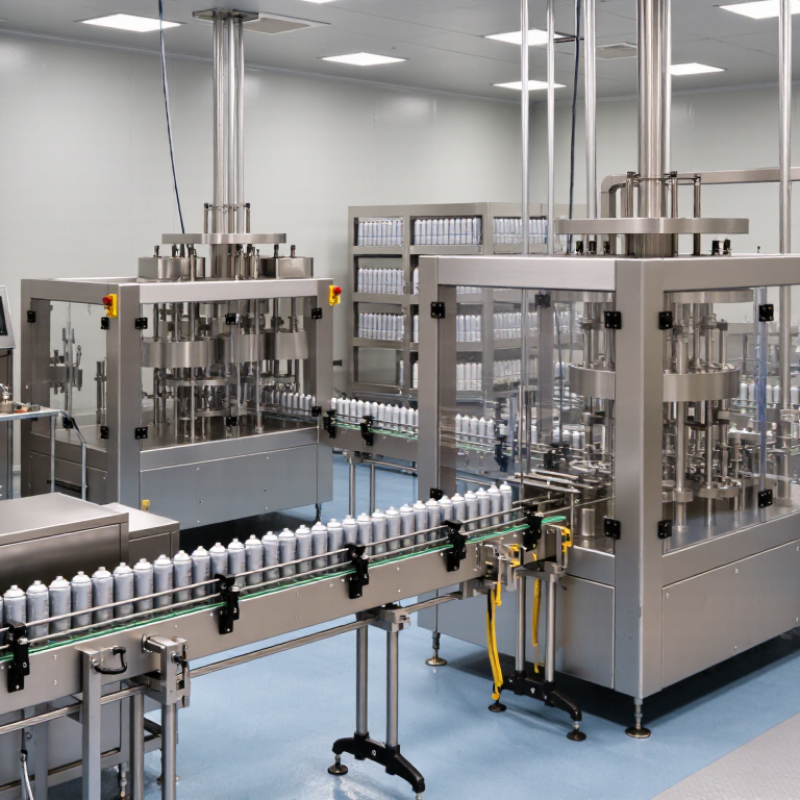
A typical line may include can feeding, liquid dosing, valve placement, crimping, propellant charging, leak testing, and date coding. Not every project needs every station. For example, a compact line may suit a smaller plant, while higher output often calls for more automation and changeover planning. Manufacturers also run trials, adjust fill volumes, and train operators. Clear operating instructions matter when production shifts change.
Reliable suppliers document machine specifications, test results, and maintenance needs, then provide support during installation and commissioning. Buyers should ask how the equipment handles different can sizes, what checks detect leaks, and how quickly parts can be replaced. A factory trial helps reveal practical issues before shipment. Still, no test covers every production condition. Real products can behave differently, and that deserves honest discussion. A capable manufacturer explains limits as well as performance, rather than promising a perfect line.
Who Are the Top Aerosol Can Filler Manufacturers in China? - What Does an Aerosol Can Filler Manufacturer Do?
“Aerosol can filler manufacturer” can refer to a contract filling company, an aerosol container maker, or a filling-equipment supplier. The table below compares these supplier roles and common evaluation criteria; it does not rank or name individual companies.
| Supplier Role | Typical Output | What the Supplier Does | Key Details to Confirm |
| Contract aerosol filler | Filled and packed aerosol products | Fills customer-specified formulas into cans, fits valves and actuators, charges the propellant, and packs finished units. Some providers also offer formulation, testing, or packaging support. | Supported formulas and propellants, can sizes, filling capacity, quality controls, minimum order quantities, and export documentation. |
| Aerosol can manufacturer | Empty metal aerosol containers and related components | Produces containers, commonly from tinplate or aluminum, and may supply components such as ends or domes. The cans are then filled by a filling facility. | Material, dimensions, coating compatibility, can and valve specifications, pressure requirements, and applicable packaging standards. |
| Aerosol filling-equipment manufacturer | Filling machines and production-line equipment | Designs or supplies equipment for operations such as liquid dosing, valve placement, crimping, propellant charging, and line handling. The equipment buyer operates the production line. | Compatible can and valve formats, production speed, changeover needs, automation level, safety features, installation, and after-sales support. |
| Formulation and filling provider | Formulated, filled aerosol products | May develop or adapt a product formula, assess formula and packaging compatibility, and manufacture and fill batches under agreed specifications. | Formula ownership, ingredient sourcing, compatibility testing, product claims, regulatory responsibilities, and batch traceability. |
How to compare suppliers: First identify whether you need filled products, empty cans, or production equipment. Then compare technical compatibility, documented quality systems, product-specific safety controls, production capacity, lead times, and the supplier’s ability to meet the destination market’s requirements.
How Are Leading Chinese Manufacturers Evaluated?
When evaluating leading Chinese aerosol can filler manufacturers, look beyond quoted line speed. MarketsandMarkets estimated the global aerosol cans market at US$10.6 billion in 2023 and forecast US$13.5 billion by 2028. That growth makes capacity relevant, but market size cannot verify a factory’s quality. Numbers can mislead.
Ask for proof.
Request documented fill-weight tolerances, leak-test results, seam inspection records, and changeover times from comparable production runs. Check whether the supplier can show calibration records and trace each sample lot to its materials and inspection data.
A live trial matters: watch cans move through filling, crimping, and testing, and record rejects rather than relying on a brochure. Also confirm how the manufacturer handles valve and can specifications that differ from your own. A polished factory tour is not proof of repeatability.
One limitation: short audits may miss seasonal variation, so seek results from multiple production dates and an independent inspection where practical. Evaluate service response and spare-parts access alongside technical performance; a fast line is less useful when downtime stretches on.
Who Are China’s Top Aerosol Can Filler Manufacturers?
China’s leading aerosol can filler manufacturers are best identified by their engineering depth, quality controls, and ability to support a buyer’s specific production needs. There is no single reliable public ranking. Strong candidates typically build or integrate filling lines with can feeding, product dosing, valve crimping, propellant charging, and final inspection. Details matter. Ask how the supplier verifies fill weight, crimp dimensions, and leak-test results on the actual container format you plan to use.
A useful factory assessment goes beyond a fast machine demonstration. Request a sample run using your can size and formulation, then review changeover time, cleaning access, spare-parts availability, and operator training. Look for documented acceptance tests and clear service responsibilities. That is not enough. Check how the manufacturer handles line upgrades and troubleshooting after installation, since production conditions rarely match a showroom perfectly. A polished brochure cannot confirm long-term reliability; references from comparable production sites and a detailed technical proposal offer stronger evidence. The best-fit supplier is the one that can explain its limits plainly, not just promise the highest output.
What Products and Services Do These Companies Offer?
Chinese aerosol can filler manufacturers commonly offer more than filling machines. Their product range may include liquid fillers, gas propellant fillers, valve inserters, crimping units, leak testers, and end-of-line packing equipment. These machines can be supplied individually or configured as a connected production line.
Line capacity and automation vary. Some suppliers build compact, manually fed systems for smaller batches, while others provide automatic lines with conveyors and in-line inspection. A buyer should check compatibility with can diameters, valve sizes, and the material being filled. A small mismatch can cause leaks or slow the line. Details matter.
Services often include layout planning, installation, operator training, spare parts, and maintenance support. Some manufacturers can adjust filling heads or conveyor settings to suit a customer’s containers. Ask for clear equipment specifications, sample test records, and a defined service response process. Remote help is useful, but it cannot fix every mechanical issue. A factory visit or live machine demonstration may reveal details that a brochure misses. No supplier fits every operation, and even careful planning can overlook a practical constraint.
How to Choose an Aerosol Can Filler Manufacturer in China?
Who Are the Top Aerosol Can Filler Manufacturers in China?
How to Choose an Aerosol Can Filler Manufacturer in China?
Choosing a manufacturer starts with your actual production needs, not a machine’s headline speed. Define can sizes, valve types, target output, and how often you change products. Ask for a machine demonstration using containers similar to yours. Watch the filling cycle, changeover steps, and how operators clear routine faults. Small details matter.
Check how the supplier verifies filling accuracy and supports safe, consistent operation. Request drawings, operating manuals, maintenance schedules, and a clear list of included components. Ask about installation, operator training, spare-part availability, and response times for service. Speak with customers who run comparable lines, if possible. A polished brochure is not proof. A factory visit can reveal practical strengths, but it may not show performance during a full production shift.
Tips: Get the proposed output and acceptance criteria in writing. Confirm which utilities and site preparations you must provide. Ask what happens if testing falls short. Compare the full cost, including commissioning and maintenance, rather than purchase price alone. One detail is easy to miss: a fast line may still create delays if changeovers are awkward. Some questions only become obvious after the first run. Don’t skip them.