Top 10 Motor Winding Automatic Machines You Should Know About?

The motor winding automatic machine industry is evolving rapidly. According to a report by Market Research Future, the market is expected to grow at a CAGR of 7.5% from 2021 to 2027. This growth reflects increased demand for efficient winding processes in various sectors, including automotive and electronics.

Experts like Dr. Emily Zhang, a leading authority in automation technologies, highlight, “Innovation in motor winding automatic machines will redefine manufacturing efficiency.” This statement underscores the machines' crucial role in enhancing productivity and reducing labor costs. Companies are shifting towards automation for precision and reliability.

However, not all machines are created equal. Some models may fall short in performance, leading to higher operational costs. It's essential for manufacturers to choose wisely. The right motor winding automatic machine can significantly impact a company's bottom line. Understanding the nuances of these machines is vital for industry professionals aiming for long-term success.
Top 10 Motor Winding Automatic Machines You Should Know About?

Top 10 Motor Winding Automatic Machines Overview and Applications
Top 10 Motor Winding Automatic Machines You Should Know About?

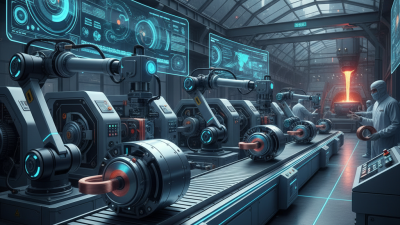
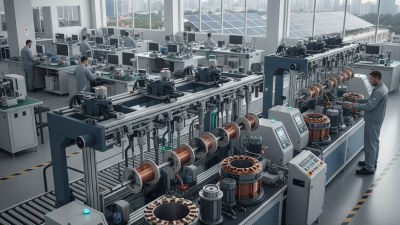
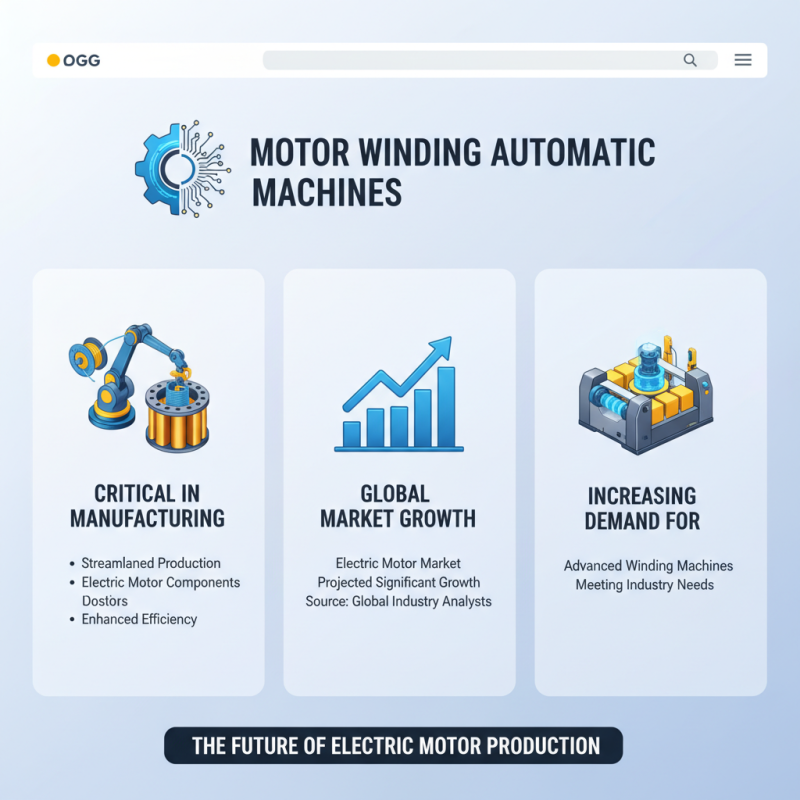
Motor winding automatic machines are critical in the manufacturing sector. They streamline the production of electric motor components. Improved efficiency is vital in today’s fast-paced environments. According to a report by Global Industry Analysts, the global electric motor market is projected to grow significantly. This translates to an increasing demand for advanced winding machines.

These machines enhance productivity, enabling higher output rates. Automation reduces human error, which can be costly. However, not all machines guarantee quality. Some models may face challenges with certain winding techniques. The complexity of various motor designs means machines must adapt. Flexibility in operation is crucial, especially for custom applications. Operators often need to recalibrate settings for optimal results.

Maintenance of these machines is another aspect to consider. Regular checks are essential to avoid breakdowns. The cost of downtime can be substantial. While technology advances, many users still encounter usability issues. Training personnel on new systems remains a vital part of the process. Industry surveys indicate that companies investing in training see better operational efficiency.
Key Features and Technologies in Motor Winding Automation

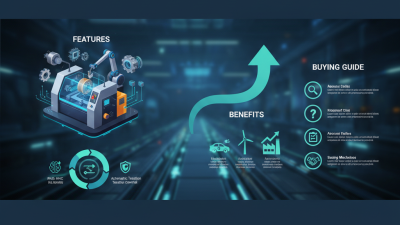
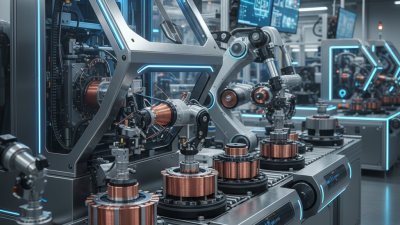
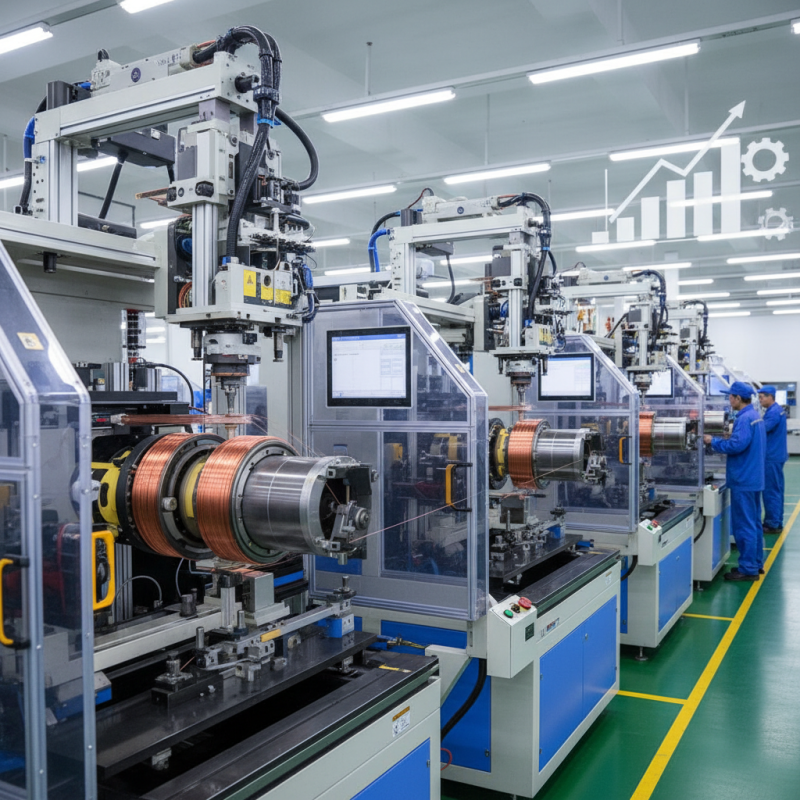
Automating motor winding processes has revolutionized manufacturing. Motor winding automatic machines can significantly enhance efficiency. They often incorporate advanced features like precision winding control and real-time monitoring. These technologies ensure consistent product quality and reduce operational errors.

One key feature is programmable logic control. This allows for customization according to different motor specifications. It enhances flexibility in production runs. However, it often requires specialized training for operators. Another significant technology is the integration of sensors. These sensors help in detecting faults during the winding process. Fault detection can save time and materials but sometimes generates false alerts, leading to unnecessary adjustments.

Moreover, many machines are designed with user interfaces that are easy to navigate. But, the simplicity can sometimes mask complex settings that require careful adjustments. Unexpected downtime can occur if operators don’t fully understand these features. Continuous improvements in motor winding automation are essential. The industry must balance innovation with practical training to maximize the benefits of these machines.

Top 10 Motor Winding Automatic Machines You Should Know About

Machine Model Winding Type Max Coil Diameter (mm) Speed (RPM) Automation Features Control System
A100 Toroidal 300 800 Fully automatic, variable tension control PLC-based
B200 Spool 250 1200 Automatic thread cutting, multi-axis control Touchscreen HMI
C300 Axial 350 600 Real-time monitoring, feedback systems Embedded system
D400 Planar 200 1000 Automated quality checks, adjustable parameters PC interface
E500 Solar 400 700 Integrated laser winding, data logging Remote monitoring
F600 Radial 300 900 Customizable winding patterns AI-enabled controls
G700 Widget 250 1100 Smart system adjustments, user-friendly interface Touchscreen controls
H800 Vertical 500 800 Dual winding capability, high precision Modular control system
I900 Compact 150 950 Automated setup, tool-less adjustments Next-gen interface
J1000 Generic 450 850 Integrated safety features, process analytics Open-source control

Global Market Trends and Demand for Motor Winding Machines

The demand for motor winding machines is steadily rising in various industries. Automation is becoming essential for efficiency. These machines reduce manual labor and increase precision. As industries evolve, the need for reliable and efficient motor winding solutions grows.

Market trends indicate a shift towards advanced technology. Smart features, such as IoT integration, are becoming popular. Companies seek machines that offer more than just winding. They desire machines that can monitor performance and reduce downtime. However, not all manufacturers meet these needs effectively. Some still rely on outdated technology.

The global market shows variations in demand across regions. Emerging economies are rapidly adopting these machines. Conversely, established markets are focusing on upgrading existing equipment. Cost remains a critical factor. Quality and durability often come with a higher price tag. Businesses must evaluate their needs and budgets carefully. This can lead to flawed purchasing decisions. Investing in the right technology is crucial for future growth.

Top 10 Motor Winding Automatic Machines - Global Market Trends

This chart illustrates the annual demand for the top 10 motor winding automatic machines. The demand is measured in units, showcasing how each machine ranks in terms of popularity and usage in the global market.

Performance Metrics: Efficiency and Precision in Winding Processes

In the world of motor winding, efficiency and precision are paramount. Machines specializing in winding processes play a crucial role in achieving high performance. Efficiency metrics often focus on speed and energy consumption. Machines that can operate at high speeds while maintaining low energy use are ideal. They help meet production demands without escalating costs.

Precision is equally important. A slight misalignment can lead to significant issues, affecting the entire motor's functionality.
Control systems in winding machines must respond quickly to changes. This adaptability can be crucial for avoiding defects. Some machines struggle with maintaining accuracy under varying conditions. Even minor fluctuations in tension may lead to inconsistent results. Such challenges require constant reflection and adaptation in the design.

Not all machines manage to achieve the perfect balance between speed and precision. Operational failures can arise if machines lack proper calibration. It’s essential to regularly assess performance metrics to identify areas for improvement.

End users should consider the trade-offs when choosing winding machines. Factors like speed versus precision often need careful evaluation. Performance may vary depending on the specific use case. Continuous improvement in these metrics is vital for both manufacturers and users. Investing in quality machines can lead to better outcomes in the long run.

Comparative Analysis of Leading Manufacturers in the Industry

Top 10 Motor Winding Automatic Machines You Should Know About?

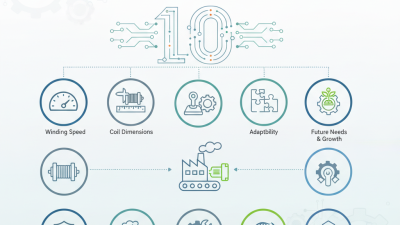
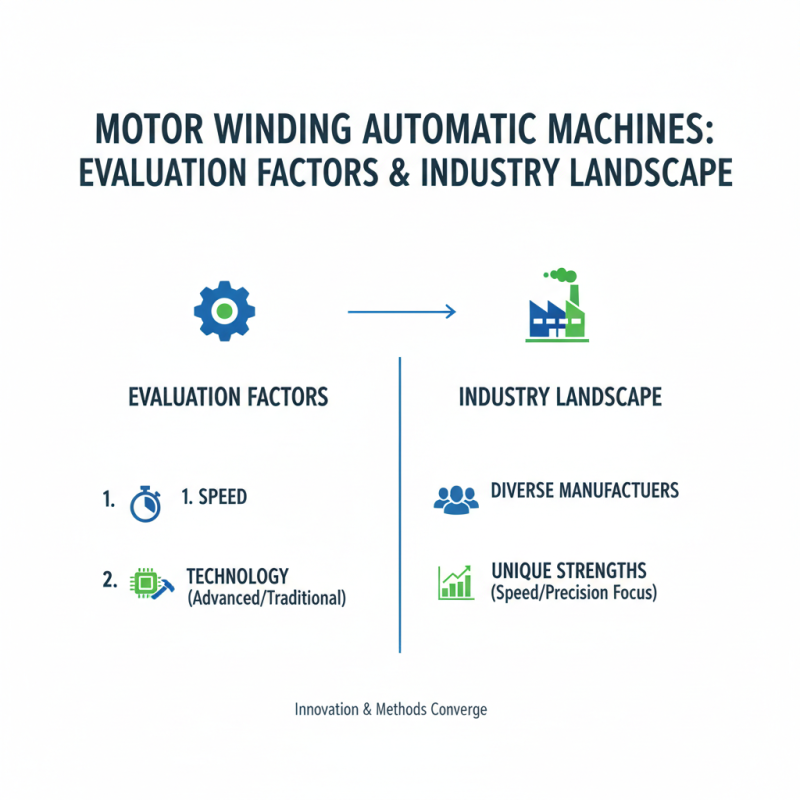
When evaluating motor winding automatic machines, various factors come into play. Each manufacturer brings unique strengths to the table. Some focus on speed, while others prioritize precision. The industry has a mix of advanced technology and traditional methods. This creates a diverse landscape for manufacturers.

A comparative analysis reveals a crucial point: not all machines are created equal. Certain models may excel in efficiency but lack in ease of use. Some may offer better reliability but are costlier. It's important to weigh these aspects when making a decision. A deeper understanding of machine specifications can lead to better choices.

The feedback from users often highlights both strengths and weaknesses. Many operators appreciate high-speed models. However, they sometimes struggle with complex setups. This indicates a need for better training. Moreover, some machines require regular maintenance more than others. This can deter potential users focused on minimizing downtime. Balancing performance and user experience remains a challenge, and aspects warrant careful consideration.