
Top 10 Tips for Handling Hazardous Fuel Drums Safely?
In the realm of industrial safety, the handling of a Hazardous Fuel Drum is crucial. John Mason, a leading safety expert, emphasizes, “Improper management of hazardous materials can lead to dire consequences.” His insight reflects a reality many overlook. Fuel drums contain substances that pose serious risks if not managed carefully. Injuries, spills, and environmental damage can occur with inadequate precautions.
With the increasing use of Hazardous Fuel Drums across various industries, safety protocols are more important than ever. Each drum demands respect and attention. Proper training is vital. Workers must understand the characteristics of the materials they handle. Regular checks on the integrity of these drums can prevent accidents. Awareness goes beyond just following rules; it involves a culture of safety and responsibility.
These guidelines should serve as reminders, not just checkboxes. A quick glance is not enough. Each step in handling a Hazardous Fuel Drum requires diligence. The aim is to foster a safer work environment, minimizing the risks associated with hazardous materials. Reflecting on past incidents can guide future practices, ensuring that safety remains a priority.
Understanding the Risks Associated with Hazardous Fuel Drums
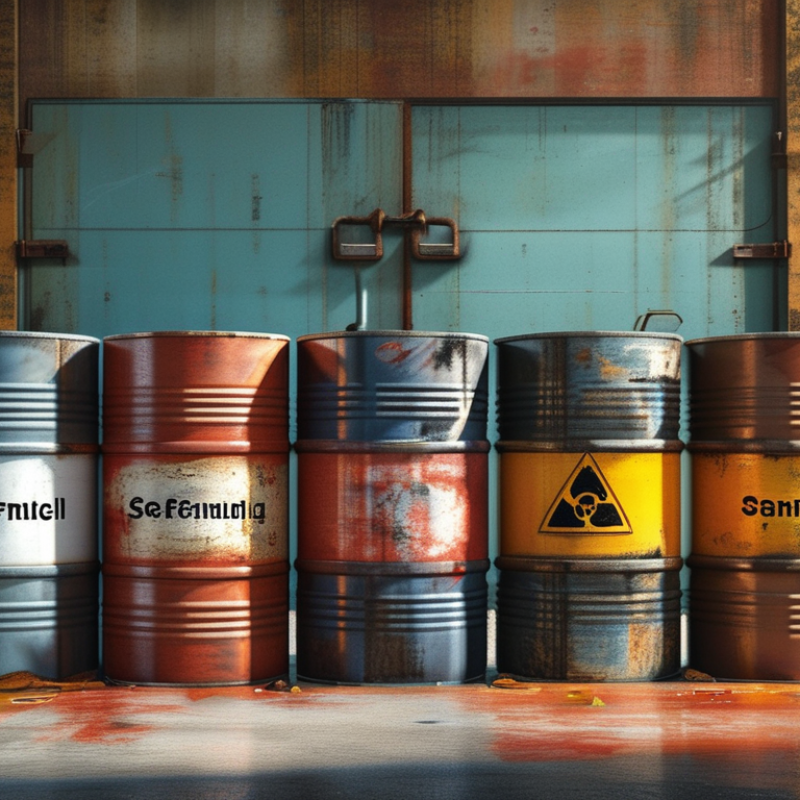
Hazardous fuel drums pose significant risks in various industries. Proper understanding of these risks is crucial to ensure safe handling. According to the National Fire Protection Association (NFPA), improper storage and handling lead to over 50% of fuel-related accidents. These statistics highlight the importance of safe practices.
Fuel leaks, spills, and exposure to flames can result in devastating consequences. The Occupation Safety and Health Administration (OSHA) emphasizes that explosive vapors may accumulate, creating hazardous working conditions. Training workers to recognize these dangers is essential. Awareness of the physical and chemical properties of the fuels is necessary for effective risk assessment.
In practice, many facilities overlook the importance of regular inspections and maintenance. Just 30% of companies reported having a structured safety training program for hazardous materials. This gap indicates a need for improvement. Implementing comprehensive safety protocols and conducting audits can minimize the risks associated with hazardous fuel drums. Realizing where current procedures may fall short is key to developing a more secure work environment.

Essential Personal Protective Equipment for Safely Handling Fuel Drums
When handling hazardous fuel drums, wearing the right personal protective equipment (PPE) is crucial. Start with a sturdy pair of chemical-resistant gloves. These gloves should fit well to prevent spills from reaching your skin. Eye protection is another essential element. Safety goggles can shield your eyes from splashes and harmful vapors. Remember, it's easy to overlook these basic protections in the hustle of the task.
Foot protection is often underestimated. Choose safety boots that are slip-resistant and puncture-proof. This is important, especially in slippery or cluttered work environments. In addition, using a respirator suitable for the specific fuel type can safeguard against inhaling toxic fumes. Thoroughly check your PPE before each task; any wear or damage can compromise your safety.
Training also plays a vital role in PPE effectiveness. Familiarize yourself with each piece of equipment you use. Understand how to adjust and maintain your gear for optimal performance. Reflecting on past experiences can help you improve safety practices. Each handling incident teaches us something valuable about preparation and prevention. Being proactive about gear and training can make a significant difference.
Safe Storage Practices for Hazardous Fuel Drums
Proper storage of hazardous fuel drums is critical for safety. These containers are often filled with flammable or toxic substances. Therefore, choosing the right storage location is essential. Store them in well-ventilated areas to minimize risks of fume buildup. Keep them away from heat sources. High temperatures can lead to pressure buildup and potential leaks.
Using secondary containment systems is a smart choice. These can catch spills before they cause environmental harm. Regular inspections can help identify potential leaks. Check for corrosion or damage. Drums should be placed upright and secured to prevent tipping. Each drum must be labeled clearly. This helps ensure that everyone understands the hazards involved.
It’s important to involve your team in safety practices. Train employees on how to handle these drums. Discussions about past incidents can highlight areas needing improvement. Encourage reporting of any unsafe conditions or near misses. Safety is everyone’s responsibility, and learning from mistakes can strengthen your approach.
Top 10 Tips for Handling Hazardous Fuel Drums Safely
| Tip Number | Tip | Description | Importance |
|---|---|---|---|
| 1 | Inspect Drums Regularly | Check for leaks or rust to prevent spills. | Critical |
| 2 | Store in Cool Area | Avoid exposure to direct sunlight and heat sources. | High |
| 3 | Use Proper Labels | Clearly mark contents and hazards. | Essential |
| 4 | Maintain Spill Kits | Ensure spill kits are accessible and well-stocked. | Very Important |
| 5 | Secure Storage Area | Lock storage areas to prevent unauthorized access. | Important |
| 6 | Educate Employees | Provide training on safe handling and emergency procedures. | Crucial |
| 7 | Use PPE | Wear appropriate personal protective equipment. | Vital |
| 8 | Ventilate Storage Areas | Ensure good ventilation to prevent gas accumulation. | Highly Recommended |
| 9 | Plan for Emergencies | Develop and practice an emergency response plan. | Imperative |
| 10 | Dispose Properly | Follow legal disposal guidelines for hazardous waste. | Essential |
Proper Procedures for Transporting Hazardous Fuel Drums
Transporting hazardous fuel drums requires careful planning and strict adherence to safety protocols. Begin with properly labeling each drum. Clear identification helps prevent accidents during transit. Use appropriate packaging materials that can withstand leaks or spills. Ensure the drums are securely closed and check for any signs of damage. A small dent could lead to major problems later.
When moving the drums, maintain a safe distance from flammable materials. Utilize a dedicated vehicle, equipped with spill kits, personal protective equipment, and fire extinguishers. Train all personnel involved on safe handling procedures. This includes proper lifting techniques and emergency response actions. Carelessness can lead to serious incidents, and everyone must be vigilant.
Lastly, document the entire process. Record the drum sizes, types of fuel, and transportation routes. Such documentation can clarify responsibilities and improve safety measures for future transports. Encourage team discussions on ways to enhance safety. Reflection on past experiences can lead to valuable insights. Prioritizing safety while moving hazardous fuel ensures a reduced risk of accidents and promotes a culture of responsibility.
Emergency Response Guidelines for Fuel Drum Incidents
Handling hazardous fuel drums safely is critical for minimizing risks in emergencies. If you encounter a fuel drum incident, understanding the emergency response guidelines is vital. Ensure that you have a trained response team ready to act. This team should be familiar with the specific hazards of the materials in the drums.
When dealing with a fuel drum, always wear appropriate PPE, including gloves and goggles. This basic step can prevent exposure to harmful substances. Keep a safe distance from the drum until you assess the situation. Identify any leaks or signs of damage. Mark the area to alert others.
In case of a spill, immediate action is crucial. Use absorbent materials to contain the spill. Avoid water unless specified in protocols. Call emergency services if the situation escalates. Remember, acting quickly can save lives and minimize environmental damage. Awareness and preparedness are key components in mitigating the risks associated with hazardous fuel drums.