2026 How to Optimize Your Production with Auto Coil Winding Machine?

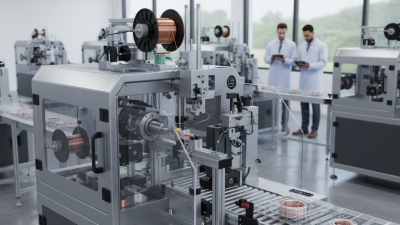
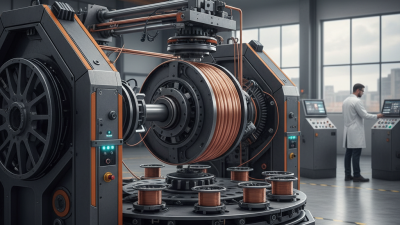
The evolving landscape of manufacturing has led to significant advancements in machinery. One crucial tool in this modernization is the auto coil winding machine. Experts like John Smith, a leader in coil technology, state, "Optimization in production is all about the right tools and techniques." Such machines have transformed how industries produce coils efficiently and effectively.

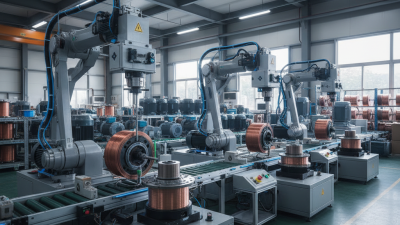
Manufacturers employing auto coil winding machines can streamline their operations significantly. These machines reduce labor costs and enhance precision in winding. However, adopting this technology also introduces challenges. Many companies struggle to train staff adequately or to maintain the machinery optimally. Regular maintenance is crucial for maximizing performance.

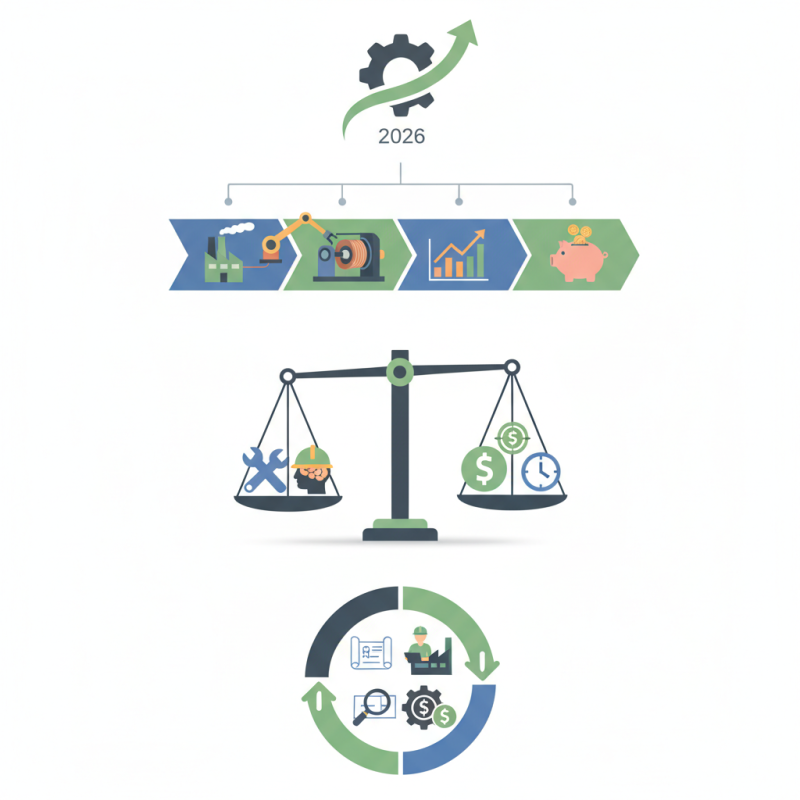
Not every production line is ready for an auto coil winding machine right away. Companies must assess their specific needs and workflows before implementation. Balancing cost and efficiency is imperative to make the best decisions. Reflecting on these considerations can lead to improved production processes, ultimately benefiting the bottom line.
2026 How to Optimize Your Production with Auto Coil Winding Machine?

Understanding Auto Coil Winding Machines and Their Functions

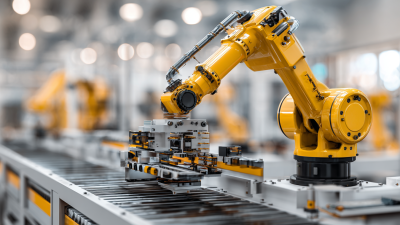
Auto coil winding machines play a crucial role in various manufacturing sectors. These machines enhance efficiency by automating the winding process. According to a recent industry report, 70% of manufacturers reported fewer defects with automated winding versus traditional methods. Precision and speed have improved significantly, contributing to better product quality.

Understanding the functions of auto coil winding machines is essential for optimizing production. These machines can handle various wire types and sizes, increasing versatility. They come equipped with feedback systems that adjust tension and speed in real-time. However, not all operators fully utilize these features, leading to wasted materials or time. In a survey, 30% of companies admitted they don’t maximize their machine capabilities.

Creating a tailored production environment is key to achieving desired outcomes. Investing in training for staff is vital. Some operators still rely on outdated techniques, causing inconsistencies. This reflects a need for better integration of technology and human skills. Emphasizing a balance between technology and workforce expertise can drive further improvements in production quality and efficiency.
Key Benefits of Using Auto Coil Winding Machines in Production

Auto coil winding machines offer significant advantages for production efficiency. These machines automate the winding process, reducing human errors. They maintain consistency in coil turns, ensuring uniformity in products. This leads to improved quality and reduced waste, which is essential in competitive markets.

Using these machines can enhance overall productivity. They operate at faster speeds compared to manual winding. A well-optimized setup can increase output, allowing businesses to meet demand more effectively. However, it's essential to train staff on machine operation. This avoids accidents and ensures smooth workflows.

Despite their benefits, companies must remain vigilant. Poor maintenance can lead to downtime. Regular checks are necessary to maintain optimal performance. Additionally, every production environment is unique. What works for one might not suit another. Constantly evaluating and adapting strategies is crucial for success.

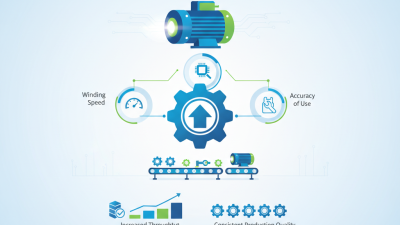
Production Optimization with Auto Coil Winding Machines (2026)

This chart represents the key benefits of using Auto Coil Winding Machines in production across three dimensions: Efficiency, Accuracy, and Cost-Effectiveness. The data reflects how these machines enhance production performance.

Current Market Trends and Data in Coil Winding Industry (2026)

2026 How to Optimize Your Production with Auto Coil Winding Machine?

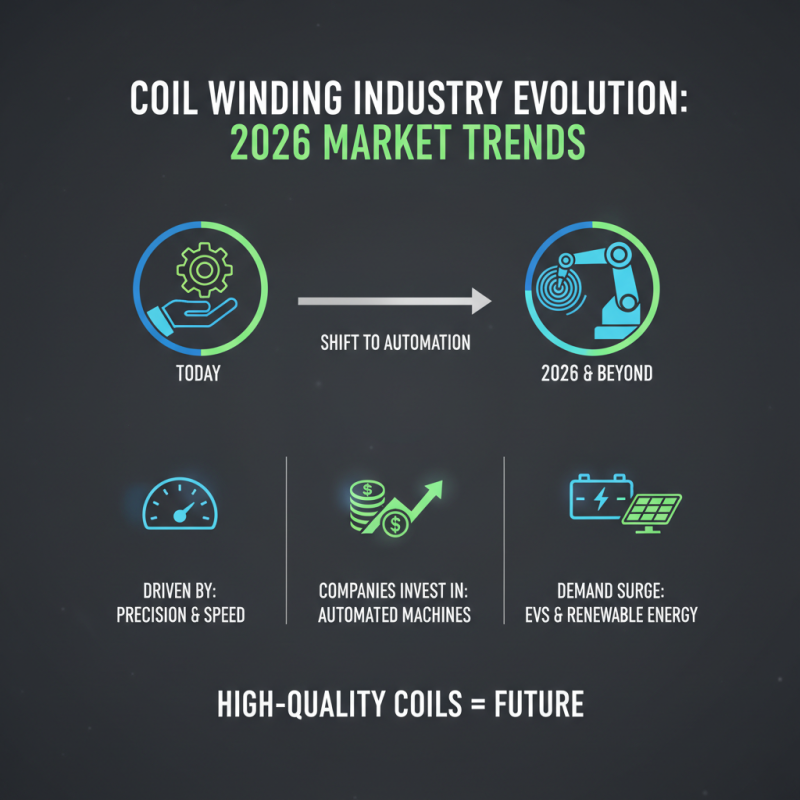
The coil winding industry is evolving rapidly. In 2026, market trends indicate a strong shift towards automation. Companies are investing in auto coil winding machines to enhance efficiency. This trend is driven by the need for precision and speed in production. As demand for electric vehicles and renewable energy solutions grows, the need for high-quality coils has surged.

Tips: Consider upgrading your machinery to automate repetitive tasks. This can significantly reduce errors and increase productivity. Regular maintenance of these machines is crucial. If not maintained properly, you may face unexpected downtimes.

Data shows that manufacturers using advanced winding technology see a 20% increase in output. However, transitioning to automated systems can be challenging. Workers may need retraining to handle new equipment. Keeping the workforce engaged in this transition is essential for success. Embracing change may lead to short-term disruptions, but the long-term benefits are clear.

Best Practices for Optimizing Coil Winding Machine Efficiency

Optimizing coil winding machine efficiency is essential for production success. Start by evaluating your machine's current performance metrics. Regularly check tension and speed settings. This helps ensure that coils are wound uniformly. Attention to detail can reduce defects significantly.

Another best practice is to schedule routine maintenance. This prevents unexpected downtime. However, it's common to overlook this step in busy schedules. Keep a log of maintenance activities. Analyze any recurring issues that arise. This can provide insights into potential improvements in your winding process.

Training operator staff is equally important. Ensure they understand machine features and capabilities. A well-trained team can better handle minor adjustments that enhance productivity. It’s easy to assume everyone knows how to operate machinery properly, but frequent refreshers can make a difference. Investing time in training can lead to more efficient processes.

Maintenance Strategies for Sustaining Auto Coil Winding Performance

Maintaining an auto coil winding machine ensures optimal production and performance. Regular maintenance is crucial for machine longevity. Over time, components wear out, leading to inefficiencies in production.

Tips for regular checks include inspecting belts and motors. A worn belt can affect speed and precision. Clean the machine area frequently. Dust and debris can impact performance. It's essential not to overlook lubrication. Proper lubrication reduces friction and prevents overheating.

Consider scheduling maintenance during off-peak hours. This minimizes production disruption. It’s important to train staff on basic maintenance. Their awareness of machine status might reveal potential issues. Neglecting minor problems can escalate. Regular maintenance ultimately enhances productivity, saving time and resources.