
What is Industrial Safety Stair Treads Benefits for Businesses?

Industrial Safety Stair Treads are a crucial element in maintaining a safe workplace. These treads help prevent slips and falls, which are common accidents in industrial settings. Companies often overlook the impact of safety features on overall productivity. When workers feel safe, they can focus better and work more efficiently.

The benefits of Industrial Safety Stair Treads go beyond mere compliance with safety regulations. Enhanced visibility is one key advantage. Bright colors or textured surfaces capture attention, reducing the risk of missteps. Additionally, these treads can be customized to fit various stair designs. This flexibility ensures that safety measures are effective in diverse environments.

Investing in Industrial Safety Stair Treads may seem daunting at first. However, consider the long-term savings on injuries and insurance costs. Many businesses fail to realize the cumulative effect of workplace safety. A small investment in stair treads can prevent significant losses. As we reflect on safety measures, the importance of these treads cannot be understated.
What is Industrial Safety Stair Treads Benefits for Businesses?

The Importance of Industrial Safety Stair Treads in Workplace Safety

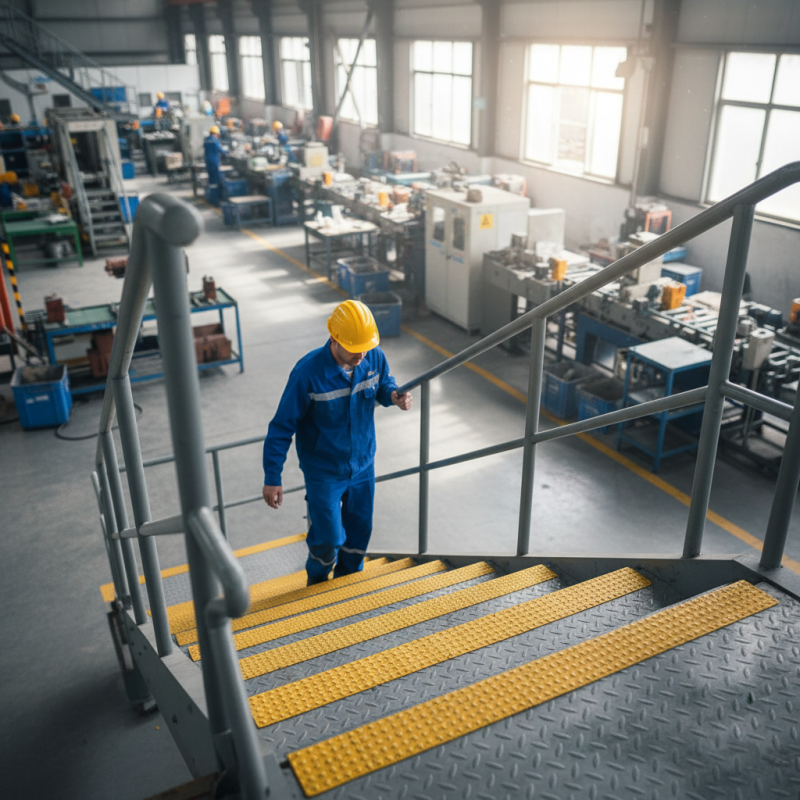
In industrial settings, safety stair treads are crucial for preventing accidents. Standard stair surfaces can be slippery, especially in high-traffic areas. Safety treads provide increased grip, reducing slip hazards. This simple addition can significantly enhance employee safety. They can be made from various materials that resist wear and tear, ensuring longevity.


The importance of these treads goes beyond just physical safety. Workers feel more secure in their environment when they trust the surfaces they walk on. This added sense of security boosts morale and productivity. Inadequate safety measures can lead to injuries and downtime. When accidents occur, they disrupt workflow and create financial strain.


Not all stair treads are created equal. Some may fade or lose effectiveness over time. Regular inspections and maintenance are essential to ensure they meet safety standards. Employee training on the importance of using safe stairways also matters. If not addressed, complacency can set in. Even effective measures need constant reinforcement to remain impactful.

Key Features of High-Quality Stair Treads for Industrial Applications

High-quality stair treads are essential in industrial settings. They provide traction, reducing slip and fall incidents. These treads should have a robust construction to withstand heavy foot traffic and equipment movement. Many treads use materials that offer durability and resistance to chemicals. This feature is especially valuable in environments where spills may occur.

Another vital aspect is the tread’s texture. A well-designed surface enhances grip, even when wet. Companies benefit from treads that are easy to install and maintain. Some tread options are adhesive, while others can be bolted down. Choosing the right type helps in reducing installation time and future costs.

Businesses should also consider visibility. Brightly colored or marked treads alert workers to stair edges. This simple feature can prevent accidents, especially in low-light areas. Moreover, not all available treads meet safety standards. Organizations must vet options for compliance with industrial safety regulations. Investing time in this process is crucial for workplace safety.

What is Industrial Safety Stair Treads Benefits for Businesses? - Key Features of High-Quality Stair Treads for Industrial Applications

Feature Description Benefits
Slip Resistance High-friction surface materials designed to prevent slips. Reduces the risk of workplace accidents and injuries.
Durability Constructed from materials that withstand heavy use and environmental conditions. Long lifespan leads to lower replacement and maintenance costs.
Visibility Brightly colored or patterned treads to enhance visibility. Improves safety by making steps more noticeable, especially in low-light conditions.
Easy Installation Designed for quick and easy installation without extensive downtime. Minimizes disruptions in workflow, allowing for efficient business operations.
Customizable Options Available in various sizes, colors, and styles to fit specific needs. Enhances branding and allows personalization to meet facility aesthetics.

Statistical Impact of Slip and Fall Accidents in Industrial Settings

Slip and fall accidents are a leading cause of workplace injuries in industrial settings. According to the National Safety Council, over 100,000 days are lost due to slip and fall incidents each year in various industries. These accidents can result in severe injuries, affecting both employees and productivity. Many falls occur on stairs, particularly in high-traffic areas with heavy equipment or materials.

Statistics reveal that approximately 30% of all workplace injuries are related to slips, trips, and falls. In industrial environments, these numbers are even higher. The Bureau of Labor Statistics reports that slips and falls account for nearly 27% of the total workplace accidents. The cost of these injuries can escalate quickly, often exceeding $30,000 per incident when accounting for medical expenses and lost productivity. Implementing safety stair treads significantly mitigates these risks.

Incorporating proper stair tread solutions can reduce the likelihood of falls. Many businesses overlook this essential aspect of workplace safety. Regular inspections and the installation of high-quality, slip-resistant treads could save thousands. However, some companies still hesitate, considering cost over long-term benefits. It’s crucial to reassess these decisions in light of potential liabilities and employee safety.

Cost-Benefit Analysis of Implementing Safety Stair Treads

Implementing safety stair treads in industrial settings can significantly enhance workplace safety. Non-slip materials provide better grip, minimizing fall risks. This is crucial in environments where employees are constantly moving. A safer workspace leads to increased employee confidence and productivity.

When analyzing costs, it’s essential to consider potential savings on workers' compensation. Falls can lead to serious injuries, which can impact a company's bottom line. Investing in safety treads may seem substantial initially, but the long-term financial benefits can outweigh these costs. Maintenance and replacement costs are usually low, adding to overall savings.

While the initial investment in safety treads might raise eyebrows, the reduction in injuries and associated costs is compelling. Yet, some businesses might overlook these benefits due to budget constraints. Each organization must weigh safety against potential expenses. A proactive approach to industrial safety is a wise choice, benefitting both employees and the company's finances.

Regulatory Standards and Compliance for Industrial Stair Safety

Industrial stair safety is crucial for compliance with regulatory standards. Businesses face strict guidelines to ensure safe working environments. Various organizations outline requirements for stair design, materials, and maintenance. These regulations help prevent accidents and injuries in the workplace.

Non-compliance can lead to serious consequences. For instance, costly fines and potential lawsuits are common outcomes. Employees may experience injuries due to unsafe stairs, leading to lost productivity. Regular inspections and adherence to standards minimize risks.

Furthermore, training staff about stair safety is often overlooked. Many businesses fail to address this important aspect. Investing in safety education along with proper stair treads can enhance overall safety efforts. Ultimately, prioritizing compliance and safety reflects a company’s commitment to employee welfare.