

How to Buy from Dprofy in 2026?
Buying from Dprofy in 2026 should begin with clear questions, not a rushed checkout. What product or service do you need? Which specifications matter most? A few minutes spent comparing options can prevent a poor fit later. Check current prices, product descriptions, shipping estimates, and return information before placing an order. Details may change, so rely on the information shown during your own purchase rather than outdated screenshots or assumptions.
A practical rule is simple: “Verify the details before you pay.” No source material or verified Dprofy expert quotation was provided for this introduction, so I won’t invent an expert’s name or words. That restraint matters. A trustworthy buying guide should distinguish confirmed information from general advice, especially when availability, delivery times, and support policies may vary. Keep a record of your order confirmation, and contact Dprofy support if a product detail or delivery term seems unclear. Small checks help.
This guide will walk through the decisions that make a Dprofy purchase easier to assess in 2026. It will explain what to compare, which details to confirm, and how to keep your expectations realistic. Look closely at the item page. Read the fine print. If information is missing, pause and ask before ordering. Online buying can feel straightforward, but a confusing detail deserves attention. There is no need to guess.
Understanding Dprofy and Finding Its Official Store
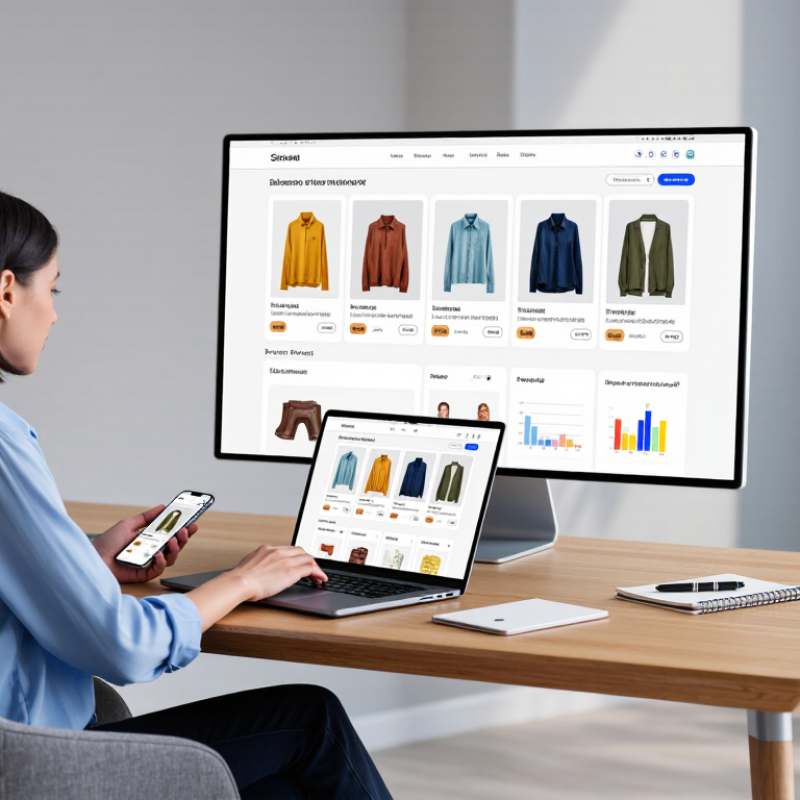
A reliable purchase begins with understanding who operates the store, not just browsing its product pages. Look for a clear company identity, working customer-service details, and consistent return and shipping policies. To find the official store, compare the web address with links from the retailer’s established social profiles or other verified business channels. Check the spelling carefully. A polished page alone proves little, and HTTPS does not guarantee that a seller is genuine.
Trust matters. The Federal Trade Commission’s Consumer Sentinel Network Data Book 2023 reports that consumers lost more than $10 billion to fraud that year, a 14% rise from 2022. That figure covers many kinds of fraud, not online-store impersonation alone, but it shows why verification is worth a minute. Compare product descriptions, contact details, and policy wording across pages. If an address or support email changes unexpectedly, pause and confirm it through another official channel. Even careful shoppers can miss small clues.
Tips: Type the verified web address yourself rather than following a sponsored link. Check that checkout shows the same domain as the store. Save the order confirmation and policy pages. If details conflict, wait before paying; a little doubt is useful.
How to Buy Online in 2026: Store Verification and Purchase Checklist
Use these checks to assess whether a shopping website is authentic and to prepare for a safer purchase.
| Data Dimension | What to Check | Useful Evidence | Recommended Action |
|---|---|---|---|
| Official website address | Confirm the exact domain spelling and check for misleading extra words, unusual characters, or look-alike domains. | A link from a verified social profile, a trusted business directory, or previous official correspondence. | Type the verified address yourself rather than relying on an unsolicited advertisement or message link. |
| Website security | Check that the checkout page uses HTTPS and that the browser does not show a security warning. | A secure connection indicator in the browser address bar. HTTPS protects data in transit but does not prove a seller is legitimate. | Do not enter payment details if the browser reports an invalid certificate or an unsafe connection. |
| Business and contact details | Look for a working customer-service channel and clear business contact information. | A contact page, support email, phone number, or business address that can be independently checked. | Ask a pre-sale question and keep the response and contact details for your records. |
| Product listing | Review the product description, specifications, included accessories, condition, and compatibility information. | Consistent details across the product page, order summary, and product documentation. | Save a copy or screenshot of the listing and final price before placing the order. |
| Total price | Check the item price, shipping, taxes, duties, and any additional fees before payment. | A final checkout total with fees itemized where applicable. | Compare the final total with your budget and confirm whether import charges may be collected separately. |
| Payment method | Review the payment options and whether the method offers dispute or purchase-protection procedures. | Payment terms shown at checkout and the payment provider's published dispute guidance. | Use a payment method with clear dispute procedures; avoid requests to pay by gift card, cryptocurrency, or direct transfer when protection is uncertain. |
| Shipping and delivery | Check dispatch estimates, delivery regions, tracking availability, and possible customs delays. | A shipping policy that explains timelines, carriers, tracking, and delivery restrictions. | Confirm the destination address and estimated delivery window before submitting the order. |
| Returns and refunds | Read the return period, item-condition rules, return-shipping responsibility, and refund method. | A written returns policy that explains how to request a return and how refunds are handled. | Keep the policy version available when you buy, since eligibility and deadlines depend on the stated terms and local law. |
| Independent reviews | Look for review patterns across multiple independent sources rather than relying only on testimonials displayed by the seller. | Recent, detailed reviews that discuss delivery, product accuracy, and customer-service outcomes. | Check dates and look for repeated complaints; treat unusually uniform or unverifiable reviews cautiously. |
| Order confirmation | Verify that the confirmation lists the correct item, quantity, delivery address, total, and order reference. | An order confirmation from the same seller contact details used during checkout. | Save the confirmation, receipt, tracking information, and relevant support messages until the order is resolved. |