10 Essential Tips for Choosing a Motor Winding Coil Machine

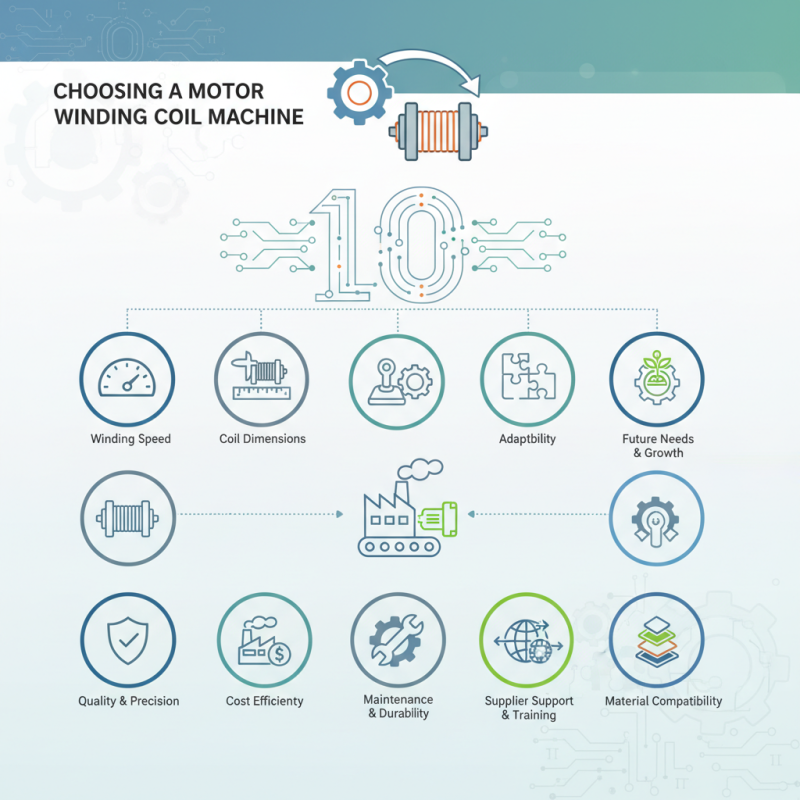
Choosing the right motor winding coil machine is crucial for any production facility. With numerous options available, it can be overwhelming. Understanding key features can streamline your decision.

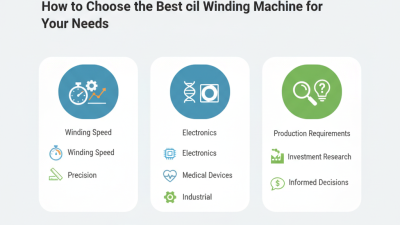
These machines are designed to produce coils with precision and efficiency. A good motor winding coil machine enhances productivity while maintaining quality. Factors like winding speed, coil dimensions, and ease of operation are essential.

However, many buyers overlook vital aspects. For instance, they might not consider the machine's adaptability for different projects. Ensuring your choice aligns with future needs can save time and resources. With careful evaluation, you can find a solution that truly fits your production line.
10 Essential Tips for Choosing a Motor Winding Coil Machine

Understanding Motor Winding Coil Machines: An Overview of Types and Functions

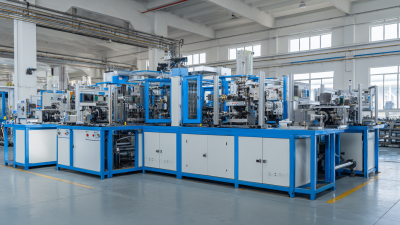
When selecting a motor winding coil machine, it’s crucial to understand the various types available. Different machines cater to different needs. Some focus on small-scale production, while others are built for high-volume operations. Coil winding machines may be fully automatic or semi-automatic. Automatic machines increase efficiency. However, they can come with a steep learning curve.

Functionality varies widely among these machines. Some are designed for general applications, while others specialize in specific tasks. For example, a machine for power transformers differs from one for small motors. This specialization can impact your project's outcome. It is easy to overlook essential features, like tension control or winding speed. These can enhance or hinder production quality.

When considering options, pay attention to build quality and user experience. A sturdy machine might cost more upfront, but it often pays off in longevity and reliability. Operators should find the machine easy to use. Complicated interfaces can lead to mistakes. Additionally, support and maintenance services should not be neglected. In your selection, ask questions and reflect on your priorities. The right choice isn't just about features; it's also about your unique production needs.
Key Specifications to Consider When Selecting a Motor Winding Coil Machine

10 Essential Tips for Choosing a Motor Winding Coil Machine

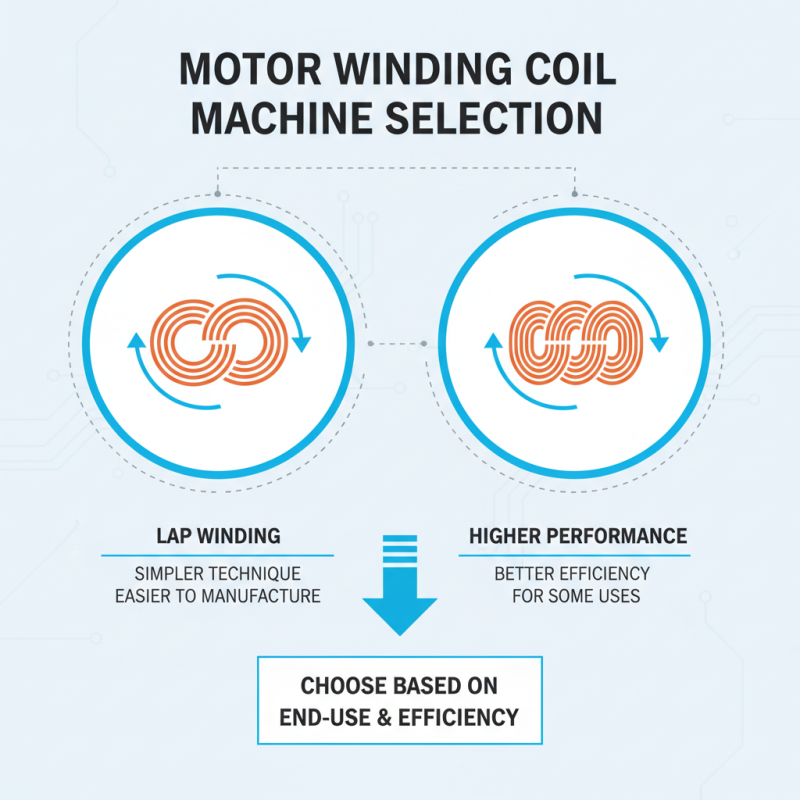
When selecting a motor winding coil machine, it's crucial to focus on key specifications. The type of winding technique is paramount. Many machines utilize either lap winding or wave winding. Each method comes with its advantages and disadvantages. Lap winding is simpler, but wave winding offers better performance in some applications. The choice significantly impacts efficiency, so consider the end-use carefully.

Another critical specification is the machine’s power rating. Data shows that machines with higher power ratings can handle larger coils. According to a recent industry report, machines with a power rating of over 5 kW see a 15% increase in production speed. This can greatly improve overall productivity for manufacturers.

Capacity and versatility also matter. A machine that accommodates various wire sizes can save time and resources. Flexibility allows for adjustments in production without purchasing new equipment. This adaptability might seem minor, but it reflects a strategic investment in future operations. Keep in mind that not every machine provides these features, which could reveal a gap in your decision-making process.

Analyzing Production Efficiency: Output Rates of Motor Winding Machines

When choosing a motor winding coil machine, production efficiency is key. The output rates of these machines can vary significantly. High-quality machines may promise higher speeds, but are they reliable? A machine might excel in speed but struggle with precision. This trade-off can impact overall efficiency.

Staying aware of output rates is crucial. Machines with high output may not always produce consistent results. It’s vital to analyze how often a machine can maintain its speed without errors. Monitoring the frequency of adjustments needed can reveal insights. Some machines require frequent recalibrations, which can slow down production.

Incorporating advanced technology often raises output. However, simpler machines may sometimes yield comparable results. Production rates aren't everything; quality control is essential. Efficiency should consider both speed and reliability. A perfect balance leads to true production success.

10 Essential Tips for Choosing a Motor Winding Coil Machine - Analyzing Production Efficiency: Output Rates of Motor Winding Machines

Machine Model Max Output Rate (Coils/Hour) Motor Type Coil Size Compatibility (mm) Energy Consumption (kWh)
MW-1000 1200 AC 50 - 100 2.5
MW-2000 1500 DC 60 - 150 3.0
MW-3000 1800 BLDC 70 - 200 3.5
MW-4000 2000 Universal 80 - 250 4.0
MW-5000 2200 AC 90 - 300 4.5

Evaluating Technological Features for Precision in Coil Winding

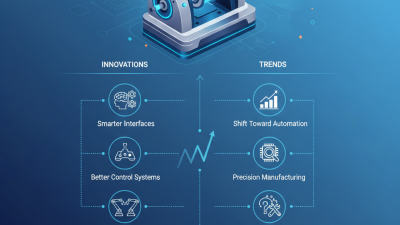
When selecting a motor winding coil machine, evaluating technological features is vital. Precision in coil winding directly impacts the efficiency and performance of electric motors. According to industry reports, advancements in automation and control systems have increased winding accuracy by up to 30%. These innovations help minimize errors during production.

Tip: Focus on machines that offer advanced software for monitoring real-time data. This ensures optimal adjustments can be made swiftly. A machine with an intuitive interface simplifies operations, allowing technicians to focus on quality rather than troubleshooting.

Another crucial aspect is the machine's ability to handle various coil designs. Machines that are versatile can reduce production lead times. A study revealed that manufacturers using adaptive technology reduced changeover times by 40%. This agility can be a game-changer in competitive markets.

Tip: Investigate the machine's compatibility with different wire types. The right choice can enhance winding precision and minimize waste. However, be cautious about overly complex features. They may require extensive training, which can disrupt productivity if staff aren’t adequately prepared. Focus on finding a balance between technology and usability.

Motor Winding Coil Machine Features Evaluation

Assessing Cost-Effectiveness and ROI in Motor Winding Coil Machine Investment

When investing in a motor winding coil machine, assessing cost-effectiveness is crucial. Start by defining your budget. A well-defined budget helps avoid overspending. Factor in not just the purchase price, but also maintenance and operational costs. You might find a low initial cost could lead to high long-term expenses. This is often overlooked.

Evaluate the potential ROI from your investment. How many coils can you produce in a day? More output generally means more profit. Analyze your production needs carefully. It’s important to understand that if the machine cannot meet your demands, it could be a regrettable choice. Higher efficiency can sometimes justify a higher price.

Tip: Look for machines with features that improve productivity. These could include automated settings or adjustable speed options. Consider operator training costs too. If your team struggles to operate the machine efficiently, production may stall. Even the most advanced machine can underperform without proper guidance. It's a balance that requires reflection. When you weigh these factors, you’ll be better equipped to make an informed decision.