
What is Core Pulling and Why is it Important for Your Business?

Core Pulling is a critical manufacturing process that often goes unnoticed. It plays a significant role in ensuring the quality of complex castings. This method involves the extraction of cores from molds after the metal has cooled. Understanding Core Pulling can help businesses enhance their production efficiency.

Efficiency is not the only benefit. Proper Core Pulling ensures that the final product meets specifications. Inadequate pulling can lead to defects and increased costs. Businesses must pay attention to this process. Skilled labor and efficient machinery are essential for success. The right techniques can improve turnaround times.

However, Core Pulling is not without challenges. Operators need to be trained effectively. Equipment malfunction can occur, leading to delays. Continuous improvement is necessary. By reflecting on past performances, companies can refine their Core Pulling strategies. Thus, investing in Core Pulling can pay dividends in product quality and overall success.
What is Core Pulling and Why is it Important for Your Business?

What is Core Pulling in Manufacturing Processes?

Core pulling is a critical process in manufacturing, particularly in the production of complex parts. It involves the removal of cores from molds after casting. This technique is essential for shapes that are hollow or have internal features. According to the American Society of Mechanical Engineers (ASME), approximately 30% of manufacturing defects stem from issues in core pulling processes. Effective core pulling can enhance product quality and reduce waste.

The significance of core pulling lies in its impact on production efficiency. Reports indicate that optimized core pulling can lead to a 20% increase in manufacturing speed. This improvement directly affects the bottom line and allows manufacturers to meet tight deadlines. However, improper core extraction can lead to flawed components or even damage to molds. It is essential to strike a balance between speed and precision.

Additionally, the right equipment plays a vital role. Industry studies reveal that investing in high-quality core pulling mechanisms can reduce maintenance costs by up to 15%. While many companies strive for automation, not all achieve the expected results. Continuous assessment and adaptation are crucial for overcoming challenges faced during core pulling.

The Mechanism of Core Pulling: How It Works

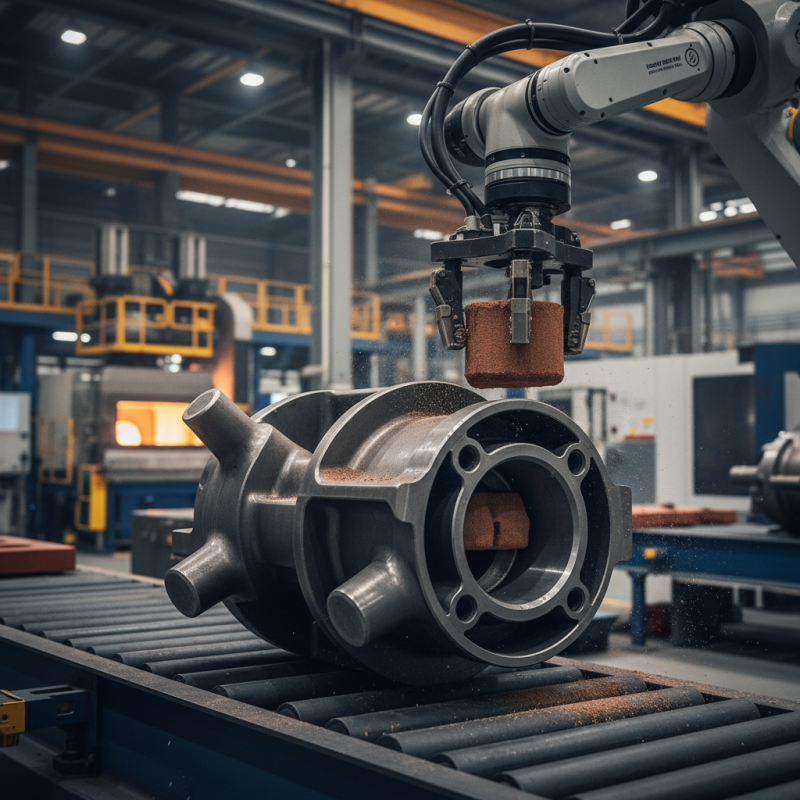
Core pulling is a crucial process in manufacturing that significantly affects product quality. The mechanism involves removing a core from a mold after the casting process. This step is vital to create complex shapes and internal cavities in products. Without efficient core pulling, manufacturers might face delays and increased costs.

When the mold is filled with material, the core needs to be extracted carefully. This often requires mechanical systems that ensure precision and minimize damage. Some systems use hydraulic mechanisms, while others rely on pneumatic forces. Each method has its pros and cons. Hydraulic systems can offer more control but may require more maintenance. Pneumatic methods are often simpler but can lack the same level of force.

In practice, core pulling may not always go smoothly. Problems can arise, such as cores getting stuck or damaged during removal. These issues can lead to production delays and increased waste. Manufacturers must continuously evaluate their core pulling techniques to improve efficiency and reliability. Understanding these mechanisms is vital for optimizing operations and enhancing product quality.

Key Benefits of Core Pulling for Businesses

Core pulling is a vital process in manufacturing, particularly in the production of complex shapes. Businesses that implement effective core pulling strategies can see significant benefits. One key advantage is improved production efficiency. According to a recent report by the Manufacturing Performance Institute, companies that optimize their core pulling methods can reduce cycle times by up to 30%. This efficiency not only saves time but also reduces operational costs.

Moreover, core pulling can enhance product quality. When cores are removed properly, it minimizes defects and ensures consistency in the final product. A study by the American Society of Mechanical Engineers found that enhanced quality control processes, including effective core pulling, lead to a 25% decrease in customer complaints. Satisfied customers often lead to repeat business and positive referrals.

Tips: Monitor your core pulling techniques regularly. Train your staff in the latest methods to keep improvement constant. Using automation tools can also help streamline the process, but don’t forget to assess their effectiveness. Sometimes, reliance on technology can overlook human intuition and experience, leading to potential issues. Keep a balance in your approach.

Industries That Rely on Core Pulling Techniques

Core pulling is an essential technique used across various industries, particularly in manufacturing and metal casting. Its importance cannot be overstated, especially when it comes to producing complex shapes with high precision. Industries such as automotive, aerospace, and consumer goods heavily rely on core pulling to create intricate components. According to a report by the International Journal of Advanced Manufacturing Technology, around 70% of manufacturers in these sectors utilize core pulling methods to enhance their production efficiency.

In the automotive industry, for example, core pulling is crucial for producing lightweight components. These components contribute to overall fuel efficiency and performance. The ability to create complex geometries directly impacts the reduction of overall vehicle weight. Similarly, the aerospace industry demands high precision and material optimization. Core pulling techniques play a vital role in manufacturing parts that meet strict safety and regulatory standards.

Tips: Incorporate regular training for your workforce to ensure expertise in core pulling techniques. Evaluate your current processes for potential inefficiencies that could be addressed through better core pulling. Improvement in this area may lead to significant cost savings and enhanced product quality. Focus on continuous feedback and adaptation within your processes to achieve optimal results.

What is Core Pulling and Why is it Important for Your Business? - Industries That Rely on Core Pulling Techniques

Industry Importance of Core Pulling Key Techniques Benefits
Automotive Manufacturing Ensures precision in casting components Thermal core pulling, mechanical core pulling Improved quality, reduced waste
Aerospace Critical for lightweight structures Vacuum core pulling Enhanced performance, fuel efficiency
Construction Used in producing concrete molds Core drilling, core stripping Cost-effective, time-saving
Consumer Goods Essential in the manufacturing of plastic products Injection molding with core pulling Higher production rates, lower defects
Electronics Integral for creating compact components Precision core pulling Increased reliability, miniaturization

Best Practices for Implementing Core Pulling in Operations

Core pulling is a manufacturing technique that helps streamline operations. It allows businesses to efficiently remove cores from molds after production. Implementing core pulling can lead to significant time savings and improved product quality. However, many businesses struggle with its implementation. Here are some best practices to enhance its effectiveness.

Start by training your team thoroughly. Ensure everyone understands the core pulling process. Regular workshops can build expertise. This focus on training fosters a culture of continuous improvement. Making time for knowledge-sharing sessions can boost team confidence and skill.

Tip: Keep an eye on your equipment. Regular maintenance is essential. Well-functioning machines reduce the risk of production delays. Create a schedule for routine checks. Address issues before they escalate.

Lastly, monitor the implementation process closely. Gather data on performance metrics. Analyze what works and what doesn’t. This approach encourages iterative improvements. Adjust your strategies based on real feedback. It’s okay to face challenges; learning from them is vital.

Article Source: