How to Choose the Right Winding Machine for Your Production Needs?
Choosing the right winding machine for your production needs can be challenging. According to industry expert Dr. Alex Turner, "Selecting a winding machine is crucial for efficiency." A suitable winding machine can drastically improve output and quality. However, many companies struggle to find the perfect fit for their requirements.
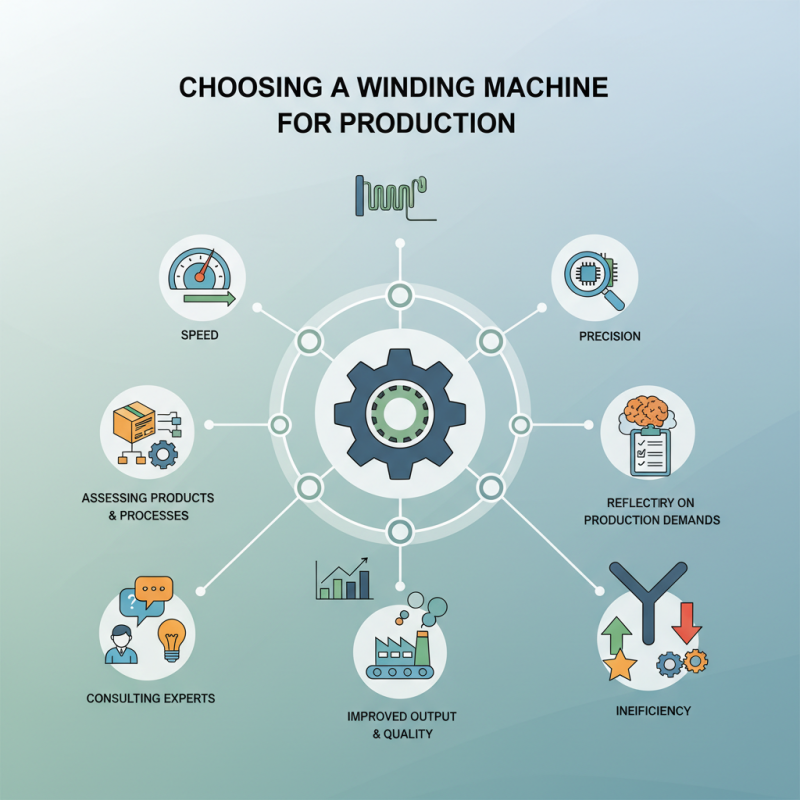
Understanding the various types and features of winding machines is vital. Some machines excel in speed, while others focus on precision. Too often, businesses overlook their specific needs. This oversight can lead to significant inefficiencies and increased costs. A winding machine must align with your production goals to be effective.
Not every winding machine will work for every business. Assessing your products and production process is essential. Moreover, consulting with experts can provide valuable insights. However, the decision ultimately lies with you. Reflect on your production demands, and choose wisely. This choice can impact your success.
Understanding Your Production Requirements for Winding Machines
Choosing the right winding machine starts with understanding your specific production requirements. Consider the type of material you'll work with. Is it a delicate thread or a heavy cable? Each material requires different tension and winding techniques. Examine the diameter and length of the products too. Too much variability might complicate the winding process.
Next, assess your production volume. High-volume needs demand robust machines with speed and efficiency. But what if your production fluctuates? You might need a versatile machine that can adapt to different tasks. This complexity can lead to decision fatigue. Sometimes, it seems easier to stick with what you know, but that might hinder growth.
Finally, don't overlook space constraints. A large machine may offer more features, but can you accommodate it? Measure your workspace carefully. An ill-fitting machine can disrupt operations. Reflecting on these factors can be tricky, as preferences might cloud your judgment. Striking a balance between needs and limitations is essential.
How to Choose the Right Winding Machine for Your Production Needs?
| Winding Machine Type | Production Speed (m/min) | Max Winding Diameter (mm) | Material Compatibility | Footprint (m²) |
|---|---|---|---|---|
| Automatic Winding Machine | 150 | 500 | Plastic, Copper Wire | 10 |
| Semi-Automatic Winding Machine | 80 | 300 | Aluminum, Fiber | 8 |
| Manual Winding Machine | 30 | 200 | Paper, Fabric | 5 |
| CNC Winding Machine | 120 | 450 | Metal, Composite | 12 |
Types of Winding Machines and Their Applications
When selecting a winding machine, understanding the various types is crucial. There are several winding machines tailored for different applications. For instance, equipment designed for wire winding differs from those made for yarn. Wire winding machines often focus on precision and speed. They are ideal for electrical components and cable manufacturing. They require tight tension controls and quick setup.
On the other hand, yarn winding machines are versatile and suitable for textiles. They typically handle larger and softer materials. Some can even accommodate multiple spools. This adaptability makes them popular in the fashion industry. However, they might struggle with finer threads, which can lead to uneven winding and wasted material. Operators need to pay attention to the tension settings. Selecting the right machine involves careful consideration of the materials to be processed. Testing different settings is essential to achieve the desired results. It’s common to encounter challenges during the selection process, and adjustments are often necessary.
Key Features to Look for in Winding Machines
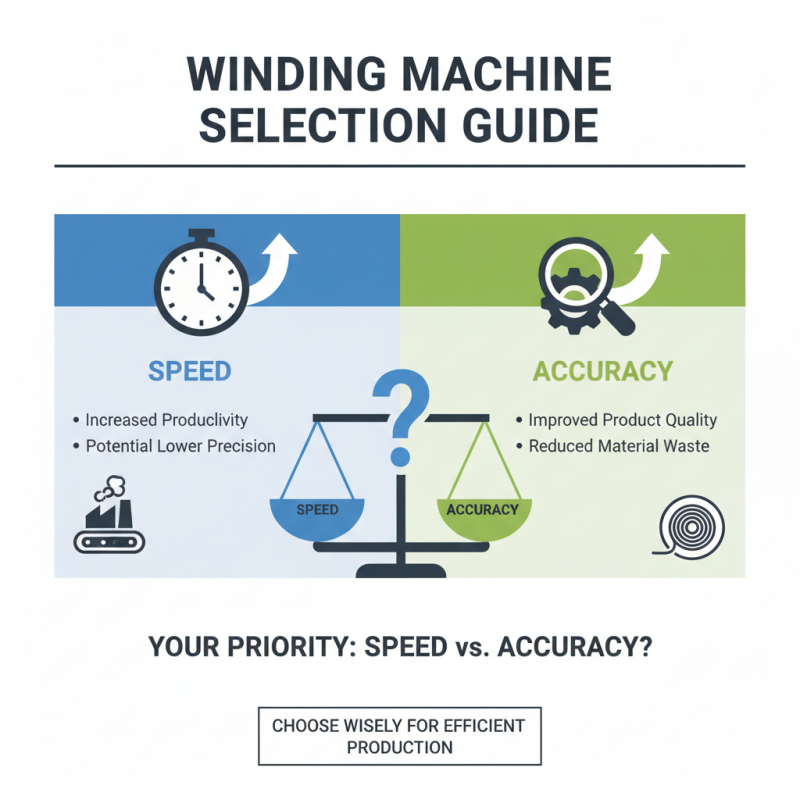
Selecting the right winding machine is crucial for efficient production. When evaluating options, consider key features that match your specific needs. One important aspect is the machine’s speed. A higher speed may boost productivity but could reduce precision. Evaluate your priority: is it speed or accuracy?
Another vital feature is the machine's flexibility. Can it handle different wire types? Some machines excel with specific materials but struggle with others. Check if the machine can accommodate the variations in your production line. Remember, versatility can save costs in the long run.
Tips: Look for machines with adjustable tension settings. This adjustment is essential for achieving optimal winding. Also, consider user-friendly controls. Complicated interfaces can slow down operation. A machine should ease your workers’ tasks, not complicate them. Take your time assessing features that align with your production goals. It's worth the effort to avoid mismatches later.
Assessing the Cost-Effectiveness of Winding Machines
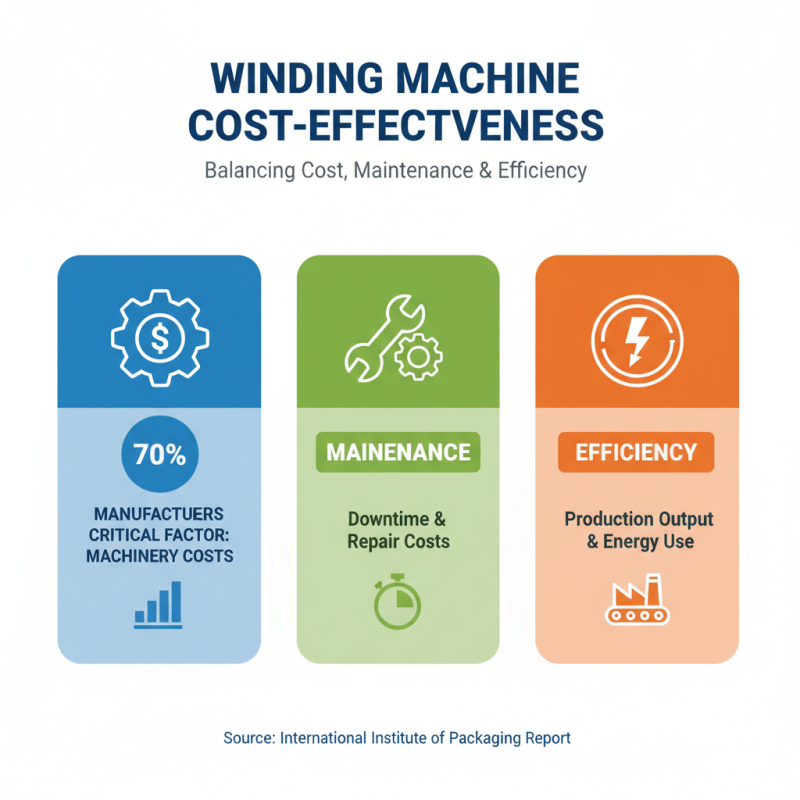
When evaluating the cost-effectiveness of winding machines, understanding production needs is key. According to a report by the International Institute of Packaging, 70% of manufacturers consider machinery costs as a critical factor. Cost alone, however, does not capture the full picture. Maintenance and efficiency also play crucial roles.
The initial investment can be steep. A study from the Manufacturing Industry Association shows that companies spend an average of $30,000 on winding machines. Yet, this figure varies widely. Factors such as production volume and material type influence overall expenses. A more expensive machine may provide higher efficiency, reducing operational costs over time. This trade-off often requires careful consideration.
Inadequate assessment can lead to inefficiencies. Some businesses might invest significantly only to find they do not meet their throughput goals. A winding machine that operates at 80% efficiency is better than a less costly option at 60%. Manufacturers must analyze their specific needs to avoid wasting resources. Data is essential, but it should be tethered to real-world applications and outcomes.
Evaluating Manufacturer Reputation and Support Services
When selecting a winding machine, evaluating the manufacturer's reputation is crucial. This can significantly impact your production efficiency. Look for companies with a track record of quality and reliability. Online reviews and customer testimonials provide valuable insights.
Tips: Check industry forums for discussions about specific brands. This will give you real-life perspectives from users. A manufacturer with a solid reputation likely offers better support and service.
Support services play a vital role in machine longevity. Quick response times mean less downtime for your operation. Technical support should be readily available through multiple channels. Consider whether support is accessible during your production hours.
Tips: Assess the availability of training for operators. A knowledgeable team can maximize machine efficiency. Also, inquire about spare parts availability. This will prevent delays in case of breakdowns. Remember, choosing the right manufacturer can save time and money in the long run.
Choosing the Right Winding Machine: Evaluation of Key Factors
Related Posts
-
Auto Winding Machine Tips for Efficient Operation and Maintenance Guide
-

10 Essential Tips for Choosing the Best Auto Winding Machine?
-
2025 Top 10 Linear Coil Winding Machines: Features, Benefits, and Buying Guide
-
What is an Auto Winding Machine? Exploring Efficiency and Precision in Coil Production
-
2025 Top Spindle Winding Machine Innovations and Buying Guide
-
10 Best Motor Winding Coil Machines for Efficient Production in 2023