How to Choose the Right Winding Machine for Your Business Needs?

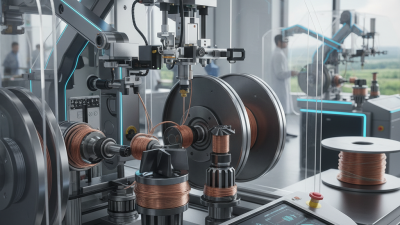
Choosing the right winding machine can significantly impact your production efficiency. As leading industry expert Dr. Emily Carter states, “The right machine directly boosts output and reduces waste.” Understanding your specific needs is crucial before making a decision.

Winding machines vary widely in specifications and capabilities. Factors such as material type, production speed, and automation level matter greatly. For instance, a complex design may require a machine with advanced features, while simpler operations may suffice with basic models.

It’s not just about the machine itself; it’s about aligning it with your business goals. Evaluate how each option could influence your workflow and costs. Investing in a winding machine is a step toward innovation, but it can also lead to unexpected challenges. Make thoughtful choices, as every detail counts in this competitive industry.
How to Choose the Right Winding Machine for Your Business Needs?

Understanding the Different Types of Winding Machines Available

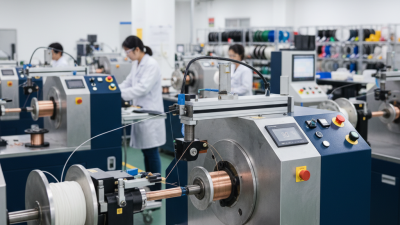
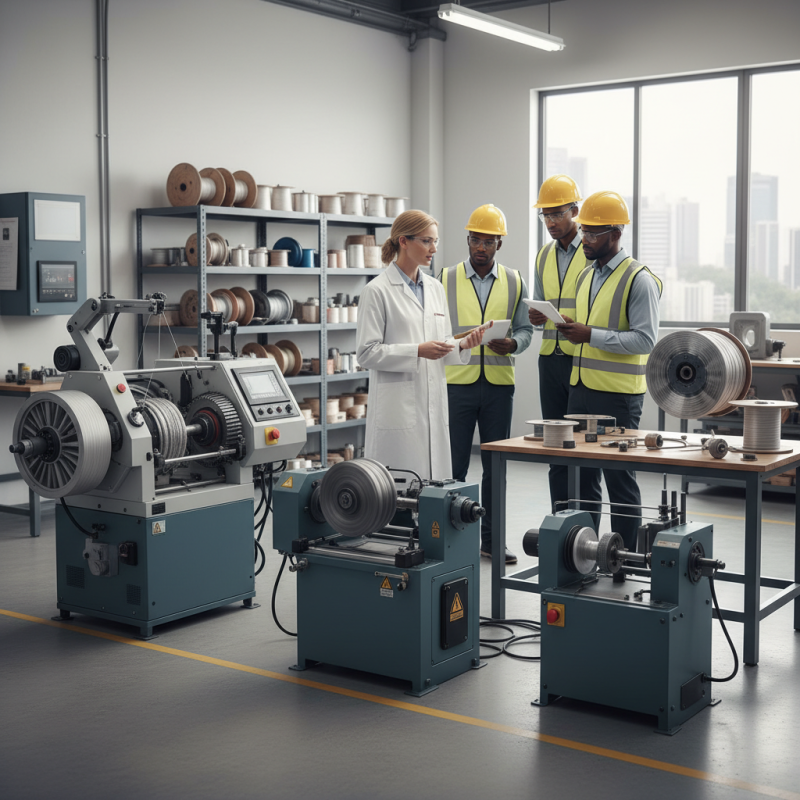
When selecting a winding machine, it’s crucial to understand the various types available. Each type serves a specific purpose, and choosing the wrong one can lead to inefficiencies. There are automatic, semi-automatic, and manual machines, each differing in speed and ease of use. Automatic machines work well for high-volume production. Semi-automatic machines offer a balance between efficiency and control. Manual machines allow for specialized winding but require more labor.

Tips for selection: Assess your production volume. If you need high output, an automatic winding machine is ideal. For smaller, diverse batches, think about a semi-automatic model. Don’t forget to consider the types of materials you’ll be winding. Some machines handle specific materials better than others.

The features of winding machines can be overwhelming. Look for essential qualities like speed control and accuracy. Think about space constraints in your facility. More complex machines need more room. Always ensure reliable service support from the manufacturer. This can save time in case of repairs. Reflect on your long-term needs. Will you expand your production? Your choice should adapt to future requirements as well.
Assessing Your Production Requirements for Winding Operations

Choosing the right winding machine often starts with a clear understanding of your production needs. Assess how many units you need to produce daily or weekly. Identify the types of materials you will be winding. These details will drive the features you require in a machine.

Consider the speed and efficiency of the winding process. If your production demands high volume, invest in a machine that can handle rapid winding. Be aware of the potential for bottlenecks if your machine cannot keep up with production rates. Every production line has its own unique rhythm, and it’s crucial to match your machine accordingly.

**Tips:** Analyze your workflow. Speak with staff involved in winding operations to gain insights. Evaluate the types of products being wound to ensure compatibility with machine specifications. Choosing the right machine requires continuous reflection on efficiency and productivity. Adjusting your choice may be necessary as your business grows.

How to Choose the Right Winding Machine for Your Business Needs - Assessing Your Production Requirements for Winding Operations

Winding Machine Type Max Wire Diameter (mm) Coiling Speed (m/min) Production Capacity (units/hour) Suitable for Material
Automatic Winding Machine 4.0 120 300 Copper, Aluminum
Semi-Automatic Winding Machine 3.0 80 150 Thermoplastic, Wire Coating
Manual Winding Machine 2.0 40 60 Fiber, Textile
High-Speed Winding Machine 5.0 150 500 Copper, Aluminum

Evaluating the Material Compatibility with Winding Machines

When selecting a winding machine, assessing material compatibility is crucial. Various materials react differently during the winding process. Understanding these reactions can enhance production quality. For instance, delicate materials may require gentler handling. On the other hand, strong materials might withstand more pressure. Evaluating these factors ensures that the winding machine maintains material integrity.

Consider using test samples. Testing small batches can reveal how a specific material performs on the machine. This practice is not only insightful but can also prevent costly mistakes later. Another tip is to consult experts in material science. They can provide valuable insight into how your chosen material interacts with winding machinery.

Finally, monitor the performance regularly. Check for any inconsistencies in the winding. If issues arise, reevaluating your material choice or machine settings can be necessary. This reflective approach helps fine-tune operations and improve overall efficiency. Material compatibility is an ongoing journey, not just a one-time checklist.

Considering Space and Layout Constraints in Your Facility

Choosing the right winding machine involves more than just specifications; it requires a keen understanding of your facility’s layout. Space constraints can drastically affect your machine's effectiveness. Evaluate the available area carefully. Consider not only the machine’s footprint but also how it integrates into the workflow. Don't overlook the clearance space needed for maintenance.

Think about the vertical space, too. Some winding machines might need height that your facility cannot accommodate. Sketch out your facility layout. This can help you visualize where the machine will fit and how operators will navigate around it.

Plan for future growth. If you anticipate increased production, selecting a larger machine now may save you from costly adjustments down the line. Reflect on the actual space used during peak operations. The layout should not bottleneck movement or increase the risk of operability issues. Balancing the machine’s capabilities with your spatial realities is essential for optimal performance.

Winding Machine Selection Factors

Budgeting for the Purchase and Maintenance of Winding Equipment

How to Choose the Right Winding Machine for Your Business Needs?

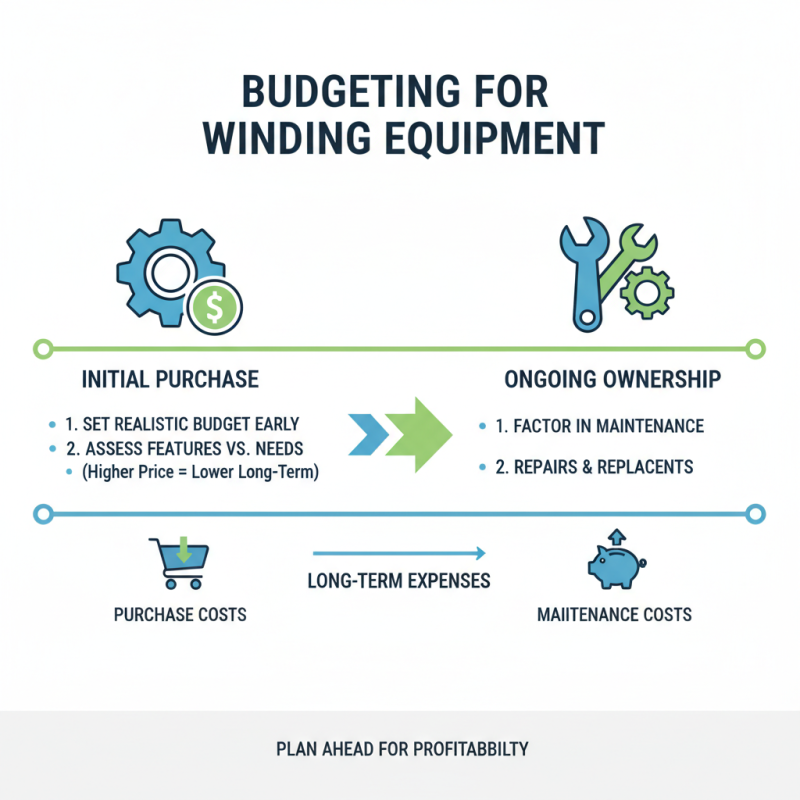
When budgeting for winding equipment, consider both purchase and maintenance costs. Set a realistic budget early on. Assess the features that best suit your business needs. A higher initial price may lead to lower long-term expenses. Make sure to factor in ongoing costs like repairs and replacements.

Tips: Research the estimated lifetime of the equipment you’re considering. Reliable sources can help gauge how different machines perform over time. Check user reviews and feedback as these often highlight long-term issues. Use this data to inform your budget.

The right equipment should offer value, not just a low price. It's easy to overlook future maintenance costs when making a purchase. Sometimes, a seemingly inexpensive option can become costly down the line. Prioritize machines that are easy to maintain. This choice may save you money and downtime in the future.