
How to Choose the Right Jack Screw Flange for Your Needs?
Choosing the right Jack Screw Flange for your needs can be a challenging task. Experts like John Mitchell, a veteran in the flange manufacturing industry, emphasize that "understanding your specific application is key to making the right choice." This highlights the importance of knowledge and experience when selecting these crucial components.
A Jack Screw Flange must match your application requirements precisely. It is essential to consider factors like load capacity and environmental conditions. For instance, using the wrong flange can lead to failure, compromising safety. Many individuals overlook these factors, which can result in costly mistakes.
Moreover, aesthetic choices often overshadow practical considerations in flange selection. While looks matter, performance should always take precedence. In the quest for the ideal Jack Screw Flange, one must balance functionality with practicality, which can sometimes pose a dilemma. Ensuring you make an informed decision is vital for operational success.
Understanding the Different Types of Jack Screw Flanges Available in the Market
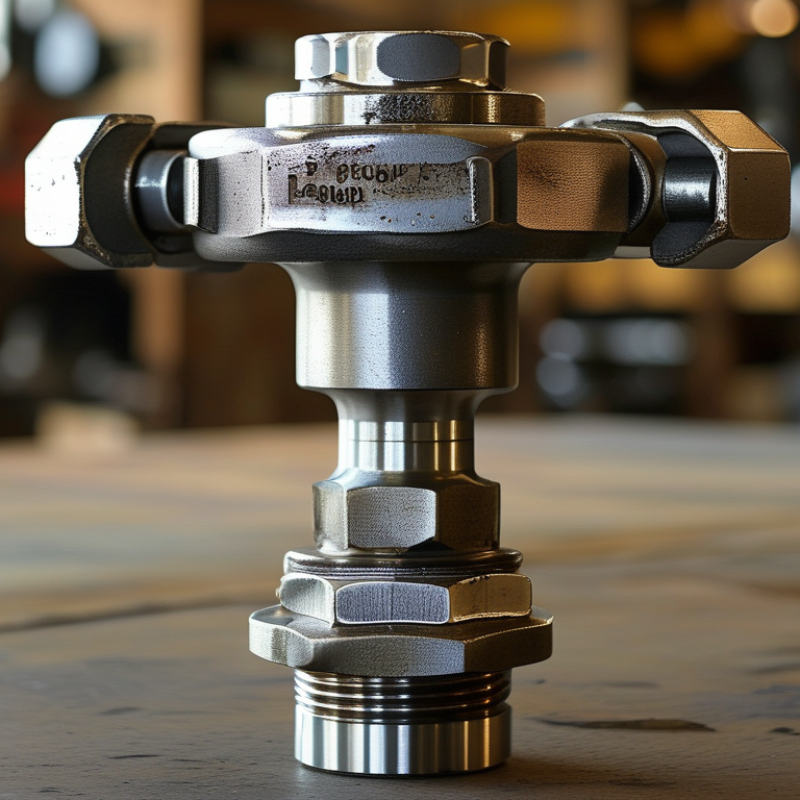
When choosing the right jack screw flange, understanding the types available is crucial. Jack screw flanges are essential in various applications, providing secure connections and facilitating proper alignment. Common types include raised face, flat face, and ring-type joint flanges. Each type serves a specific purpose. For example, raised face flanges are popular for their sealing capabilities, while flat face flanges are often used in low-pressure situations.
Before making a choice, consider the intended application. The material of the flange is vital for durability. Carbon steel, stainless steel, and plastic are popular options. The environment will also influence this decision. For outdoor uses, corrosion resistance becomes a priority. Temperature and pressure ratings should match your project's requirements.
**Tip:** Always consult technical data sheets. These documents outline dimensions, materials, and specifications. They can help prevent future issues.
Furthermore, installation requirements vary by type. Some flanges require specific tools for proper fitting. Make sure you have the right equipment on hand. Reflect on the potential need for replacement parts over time. Choosing the right flange now can save future headaches.

Key Material Considerations for Jack Screw Flanges and Their Applications
When selecting a jack screw flange, material choice is crucial. Each material has distinct properties that make it suitable for specific applications. Stainless steel flanges resist corrosion, making them ideal for harsh environments. However, they may not be the best fit for all situations. Consider your project requirements carefully; the wrong material can lead to decreased performance.
Here are some tips to guide your choice. Evaluate the operating temperature and pressure of your application. Some materials can only handle certain temperature ranges without losing their strength. Additionally, consider the environmental factors. Will your flange be exposed to chemicals or extreme moisture? This impacts the longevity of the flange.
In some cases, you may discover that your needs change over time. It's okay to question your initial selection. If you find early signs of wear or incompatibility, re-evaluate your choice. Flanges made from materials like carbon steel may provide cost-effective solutions but can corrode more quickly under unfavorable conditions. Always align material selection with your long-term goals.
Assessing Load Capacity and Safety Factors in Jack Screw Flange Selection
When selecting a jack screw flange, assessing load capacity is crucial. The load capacity determines how much weight the flange can support safely. According to industry reports, the safe working load of jack screw flanges typically ranges between 5,000 to 25,000 pounds. Weight tolerance is critical for safe operations, especially in heavy-duty applications. Ignoring these limits can lead to catastrophic failures.
Safety factors play a vital role in flange selection. The industry standard recommends a safety factor of at least 4:1. This means the flange should withstand four times the actual load without failure. A report from the American Society of Mechanical Engineers emphasizes the importance of considering environmental factors. Temperature changes and material fatigue can significantly impact load-bearing capabilities. Neglecting these could result in reduced longevity.
Engineers often overlook proper assessments during the selection process. Real-world case studies show that poor choices lead to increased maintenance costs and safety risks. Regular inspections and calculations can prevent these mistakes. Always consider the specific conditions your project entails. This approach ensures that the selected flange meets both load capacity and safety requirements effectively.
How to Choose the Right Jack Screw Flange for Your Needs?
| Flange Type | Load Capacity (lbs) | Material | Safety Factor | Applications |
|---|---|---|---|---|
| Standard Flange | 1500 | Steel | 3:1 | Construction |
| Heavy-Duty Flange | 3000 | Aluminum | 4:1 | Industrial |
| Lightweight Flange | 1000 | Plastic | 2:1 | Light-duty Applications |
| Corrosion-Resistant Flange | 2000 | Stainless Steel | 3:1 | Marine Applications |
Common Industry Standards and Certifications for Jack Screw Flanges
When selecting a jack screw flange, understanding industry standards and certifications is crucial. Various organizations set these standards to ensure safety and functionality. For example, the American Society of Mechanical Engineers (ASME) provides guidelines for critical dimensions and performance aspects. Compliance with ASME standards can enhance reliability in demanding environments.
Certifications, such as the ISO 9001 quality management certification, indicate a manufacturer’s commitment to quality control. This certification ensures that processes meet customer and regulatory requirements. While many manufacturers claim to follow these standards, it's vital to verify their current certifications. Areas like material quality and testing methods should be scrutinized closely.
Industry standards also differ by application. For high-pressure systems, standards specific to pressure ratings must be observed. Choosing compliant flanges can reduce risks associated with failure. Reflecting on past choices can reveal areas for improvement. Always consider how standards influence your decision. This awareness can lead to more effective and safer choices in flanges.
Common Industry Standards for Jack Screw Flanges
Evaluating Cost vs. Performance: Making an Informed Jack Screw Flange Choice
Choosing the right jack screw flange involves weighing cost against performance. It's essential to understand that while price is a factor, quality should not be compromised. A high-performing flange can save money over time. Issues may arise if a cheaper alternative cannot withstand the operational demands.
Consider the materials used in the flange. Stronger materials often come with a higher upfront cost but provide reliability. This can lead to fewer maintenance issues later. On the contrary, an inexpensive flange might fail earlier, prompting replacements. Each decision has consequences that should be acknowledged.
Evaluate the specific application for the jack screw flange. Different industries may have varying requirements that impact performance. Think about the environment, load requirements, and frequency of use. An informed choice must balance these factors carefully. Understand your needs to avoid potential pitfalls. Reflecting on past experiences can also guide future selections.