
How to Choose the Best Magnetic Separator for Your Needs?
Choosing the right Magnetic Separator is crucial for various industries. Reports indicate that improper selection can lead to significant operational inefficiencies. A study by the International Magnetic Separators Association revealed that over 30% of companies use the wrong type of separator, impacting productivity and costs.
Expert Dr. Steven Lawson, a leading authority in magnetic technology, states, "Choosing the appropriate Magnetic Separator is often overlooked but can make or break your process." His insights emphasize the importance of understanding your specific needs, such as material type and processing goals.
When selecting a Magnetic Separator, consider key factors like magnetic strength and material flow. Mistakes in this area can result in subpar separation performance. Knowing the unique requirements of your operation enhances decision-making. Remember, the ideal choice balances performance and cost-effectiveness. Reflecting on past choices can guide better future selections in magnetic technology.
Understanding the Basics of Magnetic Separators
Magnetic separators play a crucial role in various industries. They are designed to remove ferrous contaminants from materials. Understanding the basics helps in choosing the right equipment. There are different types of magnetic separators, each serving specific needs.
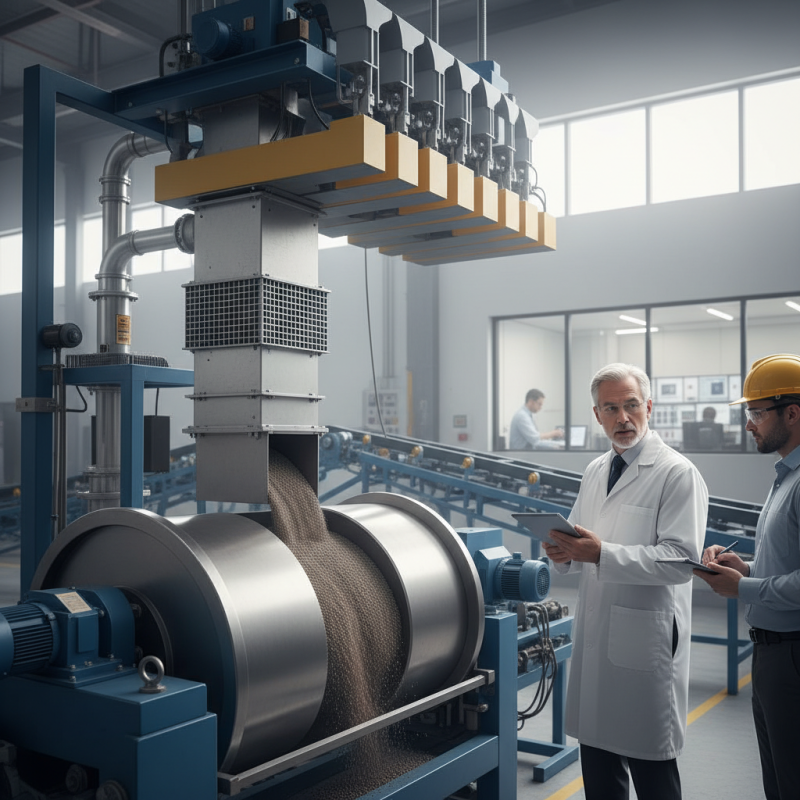
A drum magnet is common for bulk materials. It effectively captures metal debris in flow applications. Another type is the overhead suspension magnet, often used in recycling and material handling. They work well in high-volume settings. Determining the right separator depends on the material type and desired outcome.
It's essential to consider factors like magnetic strength and installation space. Each application may require a unique approach. A weakness in selection can lead to operational inefficiencies. Reflecting on past experiences can guide better decisions. Proper assessment of your needs ensures effective separation and improves overall productivity.

Magnetic Separator Type Comparison
This chart compares the efficiency of different types of magnetic separators commonly used in various industries. The percentages represent how effective each type is at removing unwanted materials from product streams.
Types of Magnetic Separators and Their Applications
Magnetic separators are essential in many industries, providing efficient solutions for separating metallic contaminants from bulk materials. Various types are available, each with specific applications. The most common types include overband magnetic separators, drum magnetic separators, and magnetic pulleys.
Overband magnetic separators are typically used in recycling and mining. They can remove ferrous particles from materials like gravel and scrap metal. Their effectiveness is significant; reports indicate they can improve material purity by over 90%.
Drum magnetic separators, on the other hand, are often found in food processing and pharmaceuticals. They help ensure product safety by eliminating contaminants that could compromise health. According to industry studies, these separators can capture up to 99.8% of magnetic impurities.
Choosing the right type can be challenging. For instance, the size and characteristics of the material affect performance. Operators must consider the specific application and environment. Certain separators may not be suitable for high moisture content materials or fine powders. Operators often overlook maintenance, impacting efficiency. Regular checks can prolong life and improve reliability. Understanding these aspects is crucial to selecting an effective magnetic separator.
Key Factors to Consider When Selecting a Magnetic Separator
Selecting the right magnetic separator requires careful consideration of several key factors. Understanding your application is critical. Different industries have unique requirements. A study by the Institute of Electrical and Electronics Engineers indicates that improper selection results in a 30% efficiency loss. Knowing whether you need a separator for ferrous or non-ferrous materials is essential.
Magnetic field strength is another crucial element. Options vary, from low-intensity to high-intensity separators. Data from the International Journal of Mineral Processing highlights that higher field strengths can improve separation efficiency by up to 50%. However, more strength does not always mean better results. The material's characteristics, like size and shape, impact the effectiveness of the separation process. Consider testing with real samples to determine the best match.
Installation and maintenance also play pivotal roles. A report from the Magnetic Separator Manufacturers Association states that inadequate maintenance can decrease performance significantly. Regular inspection schedules help in maintaining optimal functionality. Many users overlook these aspects, leading to costly downtime. Adjusting your operational practices can enhance overall system efficiency.
Evaluating Magnetic Strength and Performance Specifications
When selecting a magnetic separator, evaluating magnetic strength and performance is crucial. The strength of the magnet determines its ability to capture ferrous materials. A stronger magnet can attract more particles, improving overall efficiency. Consider the testing methods used to measure magnetic strength. Some tests might be outdated or not applicable to your specific material types.
Performance specifications are equally important. Look for details such as operating temperature and the separator's ability to handle various materials. For example, certain environments may require high-temperature resistance. Analyze how the separator performs under stress. Inconsistent results can lead to operational issues down the line.
Additionally, understanding the separator's design can reveal its effectiveness. Some designs are better suited for specific applications. Reflection on past performance can highlight areas of improvement. Regular maintenance and monitoring cycle also influence long-term results. Choosing based on a thorough evaluation ensures that the magnetic separator suits your needs.
How to Choose the Best Magnetic Separator for Your Needs?
| Type of Magnetic Separator | Magnetic Strength (Gauss) | Application | Separation Efficiency (%) | Maintenance Requirements |
|---|---|---|---|---|
| Overband Magnetic Separator | 3000 - 6000 | Material Handling | 90 - 95 | Low maintenance, Regular cleaning required |
| Drum Magnetic Separator | 2000 - 6000 | Mining and Mineral Processing | 85 - 90 | Moderate, Requires periodic inspections |
| Sheet Magnetic Separator | 3000 - 8000 | Food and Pharmaceutical | 95 - 99 | Minimal, Regular checks suggested |
| Magnetic Filter | 5000 - 12000 | Industrial Liquids | 90 - 98 | High, needs frequent cleaning |
| Suspended Magnetic Separator | 2000 - 5000 | Conveyor Systems | 88 - 92 | Low, informed inspections are needed |
Maintenance and Care for Optimal Magnetic Separator Performance
Maintenance of magnetic separators is crucial for peak performance. Regular inspections help identify wear and tear. Check components for metal fatigue or corrosion. Clean the magnetic surface to maintain its effectiveness. Debris can lessen its strength. A dirty separator affects the entire workflow.
Consider the operating environment. Extreme temperatures or humidity can impact the equipment. Use appropriate shielding to protect it. Sometimes, issues arise that need deeper analysis. Unexpected breakdowns can happen despite best efforts. However, these moments provide learning opportunities. Assess what went wrong and adjust procedures accordingly.
Documentation is vital. Keep records of all maintenance activities. This provides insights into patterns that may emerge over time. Understanding the lifecycle of your equipment can help in making informed decisions. Rely on this data for future maintenance planning. Regular attention to your magnetic separator ensures it works when you need it the most.