How to Choose the Best Automatic Coil Winding Machine for Your Needs?

Choosing the right automatic coil winding machine can be challenging. Many models exist, each with unique features and benefits. Understanding your specific needs is crucial for making the best choice.

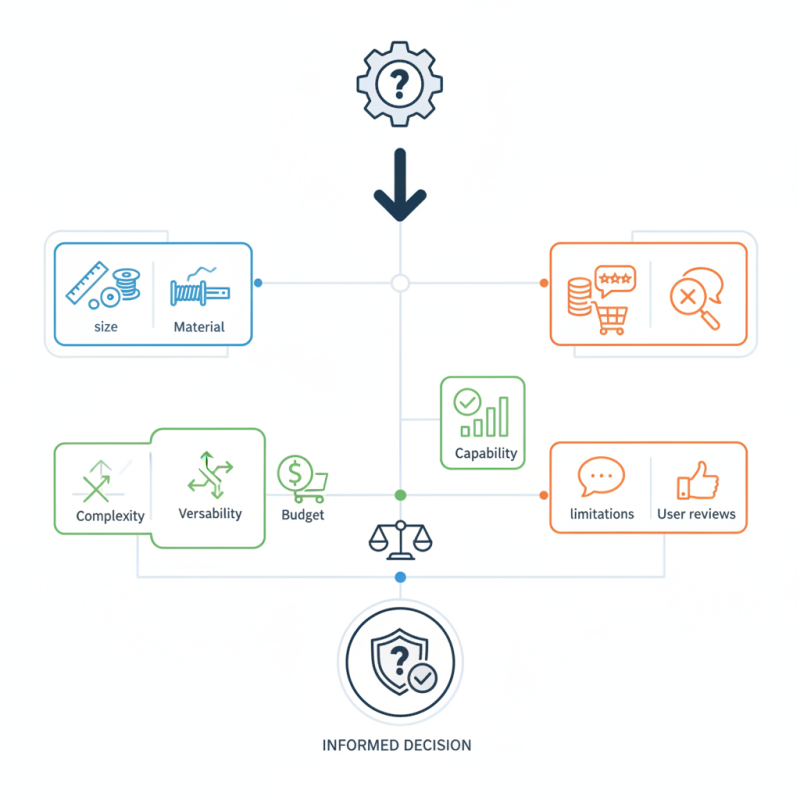
Consider the types of coils you will produce. The size and material of the coils matter. A versatile machine might serve various applications better. However, more features can lead to increased complexity. This complexity may not be suitable for all users.

Price is another vital factor. Higher prices do not always guarantee better performance. Finding a balance between your budget and machine capability is essential. Before purchasing, research user reviews and experiences. Recognizing potential limitations will help you make a more informed decision.
How to Choose the Best Automatic Coil Winding Machine for Your Needs?

Understanding the Basics of Automatic Coil Winding Machines
How to Choose the Best Automatic Coil Winding Machine for Your Needs?

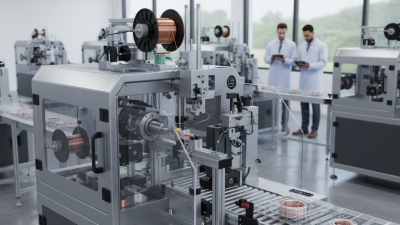
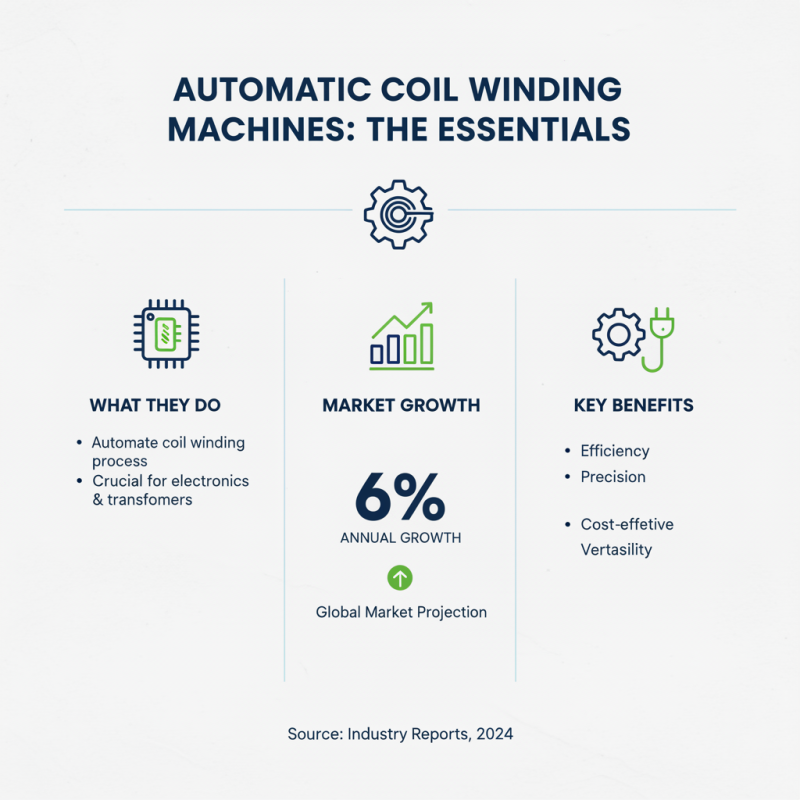
When selecting an automatic coil winding machine, understanding its basics is essential. These machines automate the process of winding coils, crucial for various industries like electronics and transformers. According to industry reports, the global market for coil winding machines is projected to grow by about 6% annually. This growth highlights the increasing demand and relevance of efficient coil winding solutions.

Tips: Evaluate your production volume needs. A higher output machine may be more cost-effective.

Coil winding machines come with different features, including programmable settings and tension control. Advanced models offer user-friendly interfaces, reducing training time. However, not every extra feature is necessary. For smaller projects, simpler models may suffice. Consider the winding speed and coil size range. A mismatch here can lead to reduced efficiency and increased waste.

Tips: Don’t overlook maintenance needs. Regular upkeep can prolong the machine's life.

Ultimately, the ideal machine should match your specific requirements. Misjudging these needs can lead to costly mistakes. Gather feedback from operators and analyze past project demands to make a more informed choice. Be cautious of overspending on features that won’t be utilized.
Key Specifications to Consider When Choosing a Coil Winding Machine

When choosing an automatic coil winding machine, it's crucial to focus on key specifications. Consider the winding speed. A faster machine can increase productivity, but stability is essential too. Machines that operate too quickly might compromise wire quality. Look for a balance.

Another important specification is the winding precision. High precision ensures uniform coils, which affects overall performance. A bit of inconsistency can lead to inefficiencies. Validate the machine's ability to handle various coil sizes and types, ensuring versatility.

Tips: Always review the machine's control system. User-friendly interfaces make operation easier. Consider future maintenance needs. Some machines require regular servicing. Check your budget against these specifications. Spending less upfront might cost more later. Carefully weigh these details for the best choice.

Evaluating Different Types of Coil Winding Machines Available

When considering coil winding machines, it's crucial to evaluate the different types available. Automatic coil winding machines vary significantly in their features and capabilities. Some machines are designed for high-speed production, while others focus on precision winding. This brings challenges in choosing the right one for specific needs.

Take a closer look at your requirements. If your work requires intricate coils, a machine with advanced control options may be necessary. A simpler machine might suffice for larger, less complex coils. Many users report that the learning curve can be steep, and performance may not match expectations initially. Adjusting the machine settings often involves trial and error.

Consideration of the machine's versatility is key. Some models cater to multiple wire sizes and types, which can enhance productivity. However, if your projects involve frequent adjustments, this could lead to frustration. Many novice users find themselves overwhelmed by the options. Balancing efficiency with ease of use is crucial when making your choice.

Identifying Your Production Needs and Volume Requirements

When choosing an automatic coil winding machine, it's essential to assess your production needs. Consider the types of coils you will be producing. Different applications require different specifications. For instance, high-frequency coils may need tighter tolerances and faster winding speeds. Understanding these requirements will help guide your selection.

Next, evaluate your volume requirements. How many coils do you need to produce daily or weekly? A machine capable of high throughput can save time and labor costs. However, it may come with a steeper price tag. Think about the trade-offs. A lower capacity machine might be suitable for smaller operations, but it could slow down production when demand increases.

Additionally, pay attention to flexibility. Will the machine handle various coil sizes and types? Some machines excel in one area but struggle in others. You might want to prioritize adaptability over a single-function device. Reflect on your specific needs. It’s often better to invest in a machine that can grow with your business.

Budgeting for Your Coil Winding Machine Investment and Maintenance Costs

How to Choose the Best Automatic Coil Winding Machine for Your Needs?

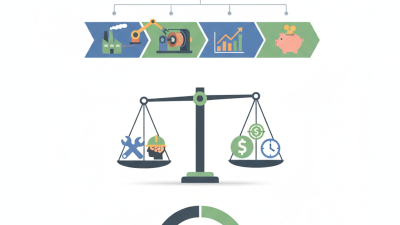
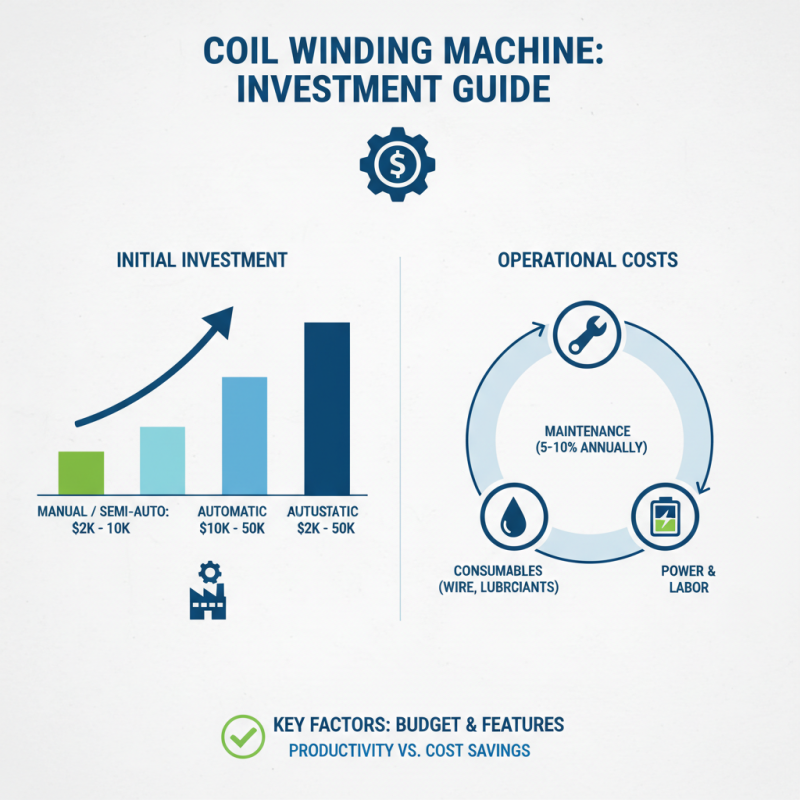
Choosing the right coil winding machine involves careful budgeting and understanding of maintenance costs. In the industry, the average initial investment for an automatic coil winding machine ranges from $10,000 to $50,000. This price varies based on features and capabilities, which can impact productivity.

Maintenance costs can be significant. They often account for 15-30% of the initial investment each year. Regular upkeep is essential to prevent downtime. Neglecting maintenance can lead to equipment failure, which could result in costly repairs.

Tip 1: Always allocate a portion of your budget for unexpected repairs. This will help you manage unexpected costs effectively.

Operational costs, such as electricity and material expenses, also play a role. Average energy consumption for these machines is about 1.5 to 3 kWh. Understanding these factors can lead to better financial planning.

Tip 2: Review energy-efficient models. While they may cost more upfront, they can save money in the long run.

Finally, remember that choosing the right machine is not just about prices. Features matter, too. Discuss your needs with professionals. This can help you avoid costly mistakes and ensure you make an informed decision.