How to Choose the Right Jointing Box for Your Project?
Choosing the right Jointing Box is crucial for the success of your electrical projects. Industry data indicates that a well-selected Jointing Box can reduce installation time by up to 30%. This is significant for projects with tight deadlines. According to electrical engineering expert John Smith, "The proper Jointing Box not only enhances safety but also boosts overall efficiency."
Understanding the various types of Jointing Boxes available on the market is essential. Each type serves a specific purpose. Factors such as environmental conditions and project size must guide your choice. An inappropriate selection can lead to inefficiencies and potential safety hazards, commonly overlooked in planning stages.
Ultimately, selecting the right Jointing Box involves careful consideration. Take time to evaluate your project's specific needs. Industry reports suggest many projects fail to perform optimally due to poor component choices. Engaging with professionals in the field can provide invaluable insights. Your choice today will impact the project's long-term safety and performance.
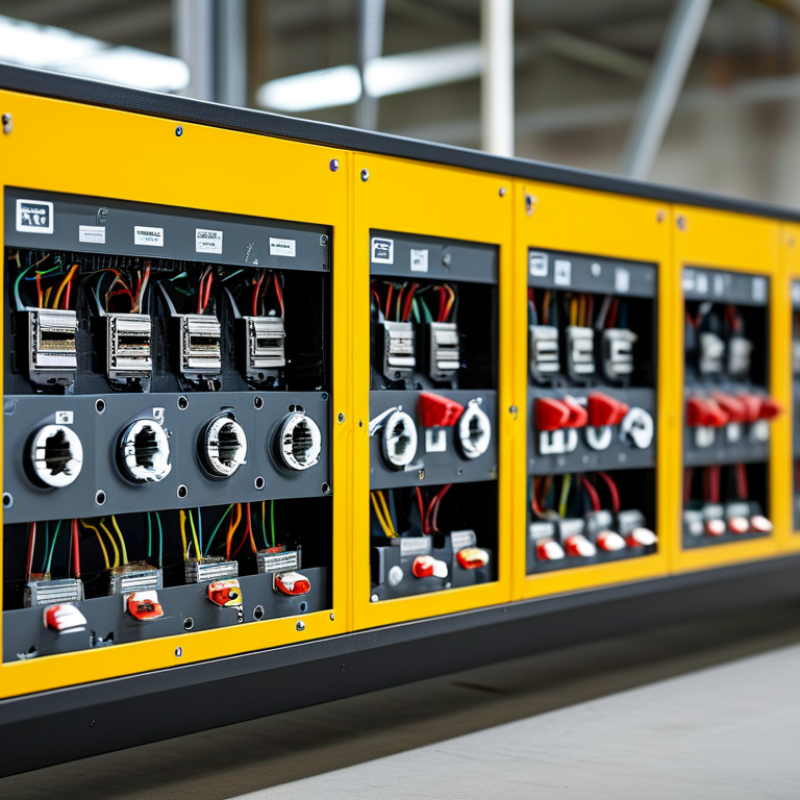
Overview of Jointing Boxes and Their Importance in Projects
Jointing boxes play a crucial role in various projects. They serve as the hub for electrical connections, ensuring safety and functionality. A jointing box houses multiple wiring connections, preventing exposure to moisture and dust. This protection is vital in extending the lifespan of electrical systems.
Choosing the right jointing box is not always straightforward. Factors such as material, size, and environmental conditions must be considered. For instance, a box made from durable, non-corrosive materials will offer better longevity in harsh environments. Remember, the wrong choice can lead to failures or even hazardous situations.
It's important to assess the project's specific needs. Consider the number of connections and the electrical load. Overloading a jointing box can cause overheating. Regular maintenance checks are essential to ensure all connections are safe. Ignoring these practices can lead to costly repairs or accidents. Evaluating options carefully can help avoid these issues and ensure a successful project outcome.
Key Factors to Consider When Selecting a Jointing Box
When selecting a jointing box, several key factors demand attention. Consider the environment where the box will be installed. Is it indoors or outdoors? A jointing box intended for outdoor use needs to withstand moisture and temperature variations. Look for options with proper sealing and weatherproof ratings.
Size and capacity are crucial as well. Ensure that the box can accommodate the necessary cables without overcrowding. An overcrowded box can lead to overheating or malfunction. Remember that space for future expansions should also be factored in.
**Tips:** Always verify the ingress protection (IP) rating for optimal performance. A high IP rating indicates better protection against dust and water. Check local electrical standards, too.
Cost can be a determining factor, but don't compromise on quality. A cheaper box may not last, costing more in replacements. Reflect on your project's specific needs and aim for reliable options. Remember, the right choice enhances safety and functionality while minimizing long-term issues.
How to Choose the Right Jointing Box for Your Project? - Key Factors to Consider When Selecting a Jointing Box
| Factor | Description | Importance Level |
| Material | Choose between plastic, metal, or fiberglass based on environmental conditions. | High |
| Size | Select the appropriate dimensions based on cable thickness and quantity. | Medium |
| Ingress Protection (IP) Rating | Ensure the box is suitable for exposure to dust and water as necessary. | High |
| Accessibility | Consider how easy it is to access the jointing connections. | Medium |
| Mounting Options | Check if the box can be mounted in the required location. | Low |
| Cost | Factor in your budget while still meeting safety and performance standards. | Medium |
Types of Jointing Boxes: A Comparative Guide
When choosing a jointing box, understanding the types available is crucial. Jointing boxes come in several configurations, each designed for specific applications. Common types include plastic, metal, and insulated jointing boxes. Plastic boxes are lightweight and rustproof, suitable for indoor use. Metal options offer durability and are ideal for industrial applications. Insulated boxes provide extra protection against extreme temperatures.
Consider your project’s location and environmental conditions. Outdoor projects may require weather-resistant boxes. Indoor installations can use versatile options that fit aesthetics and functionality.
Tip: Always check the IP rating. It indicates the level of protection against dust and moisture. For humid areas, select boxes with high ratings.
Another aspect to ponder is size. A box too small may not accommodate all connections, leading to overcrowding. A box too large wastes space and can complicate installations.
Tip: Measure your cables and connectors before selecting. This ensures a proper fit for your specific needs.
Be aware of installation depth as well. Some boxes require more space than others. Choose a type that fits well in the designated area.
Tip: Examine the installation manual. It offers insights that can guide your choice, and help mitigate unseen issues.
Installation Requirements and Best Practices for Jointing Boxes
When selecting a jointing box, understanding installation requirements is vital. An ideal jointing box should be accessible, allowing for easy maintenance and inspection. Choose a location that minimizes exposure to moisture and contaminants. This reduces the risk of corrosion over time. It’s also essential to ensure that the box adheres to local electrical codes and regulations, which promote safety and longevity.
Best practices include securing the box firmly to avoid movement. Improper installation can lead to connection issues. Pay attention to the sealing of joints to avoid any ingress of water. Utilize appropriate gaskets or seals; they play a crucial role in maintaining the box’s integrity. Also, consider the cable entry points — misalignment can create vulnerabilities, allowing debris to enter.
Don't overlook periodic checks on the jointing box's condition. Corrosion or physical damage can go unnoticed until it becomes a significant issue. Regular inspections are critical for early detection of problems. Ultimately, while selecting a jointing box may seem straightforward, careful consideration of installation and maintenance practices can prevent costly failures down the line.
Common Mistakes to Avoid When Choosing a Jointing Box
Choosing the right jointing box can be tricky. Many people make common mistakes that can be easily avoided. One mistake is not considering the environment where the box will be installed. A jointing box used outdoors needs different features compared to one used indoors. Be mindful of moisture and temperature.
Another pitfall is overlooking the size and capacity of the box. If it’s too small, the connections can become overcrowded. This may lead to overheating or failure. On the other hand, selecting one that is too large can waste space and resources. Measure your cables and connections first.
A final thought is neglecting to check for compliance with regulations. Different regions have specific standards for electrical installations. Not adhering to these can cause serious issues. Always consult guidelines before making a purchase. This proactive approach helps avoid costly mistakes and ensures a reliable project outcome.
Choosing the Right Jointing Box: Key Criteria to Consider
This chart illustrates the importance of various criteria when selecting a jointing box for your project. Material quality ranks highest, followed by size compatibility and water resistance, indicating that these factors should be prioritized to avoid common mistakes in selection.