

How to Choose the Right 125 Amp Breaker for Your Needs?

When selecting the right 125 Amp Breaker, industry experts advise understanding your specific requirements. John Smith, a seasoned electrical engineer, states, “A 125 Amp Breaker is essential for systems needing reliable protection.” His experience highlights that many overlook the importance of considering their own power demands.

Choosing a breaker is not just about capacity. It's about ensuring safety and compatibility with your electrical system. A 125 Amp breaker protects circuits in homes, offices, and even some industrial settings. However, selecting one can be tricky without adequate knowledge. The wrong choice could lead to failures or, worse, hazards.

Many consumers may feel confident but fail to assess their actual needs accurately. Do you know how many appliances will run simultaneously? Do you account for future expansions? These questions matter significantly. Understanding your electrical load is crucial to making an informed decision about a 125 Amp breaker. Reflections on your requirements can prevent costly mistakes and enhance electrical safety.
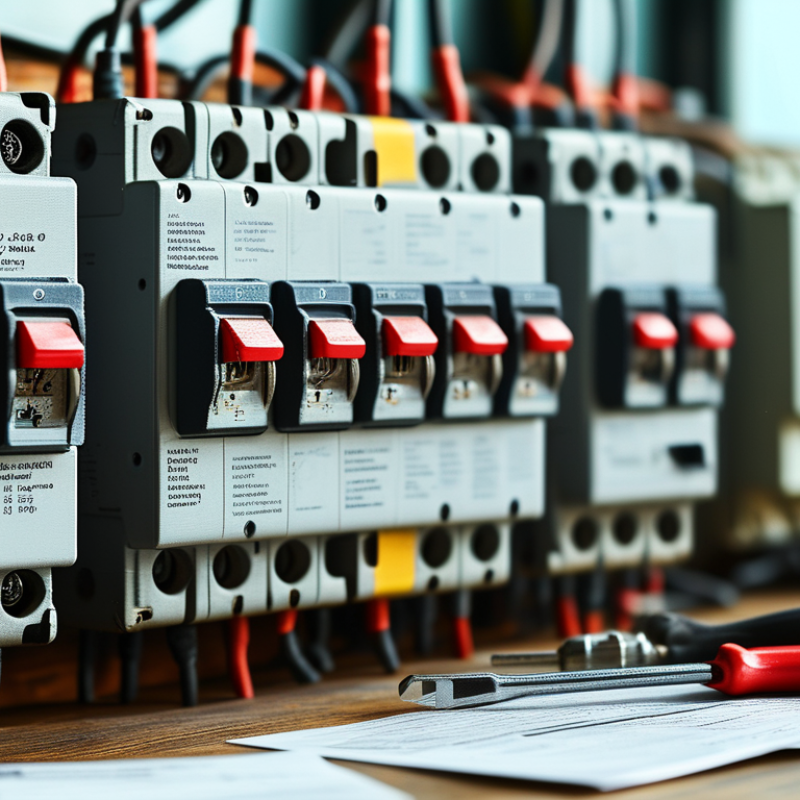
How to Choose the Right 125 Amp Breaker for Your Needs?

Understanding the Basics of 125 Amp Breakers

When selecting a 125 amp breaker, it's essential to understand its basic functions. A breaker protects your electrical system from overloads. It interrupts the current flow to prevent potential damage. Knowing the specific requirements of your home or business can guide your choice. Calculate the total amperage your electrical systems might draw. This helps in preventing future problems.

Consider the types of circuits you plan to support. A 125 amp breaker can handle significant loads, ideal for larger appliances. However, oversizing it may lead to inadequate protection. If a breaker is too large, it might not trip when needed. This could leave your wiring vulnerable. It’s important to assess your existing load capacity before purchasing.

Installation should always be done by a qualified electrician. This assures reliable performance and safety. An improperly installed breaker can lead to severe malfunctions. Always check local electrical codes for compliance. They provide guidelines that enhance safety. Understanding these basics can help you make an informed decision for your needs.

Evaluating Your Power Needs and Load Requirements

Choosing the right 125 amp breaker begins with understanding your specific power needs. A report from the National Electrical Manufacturers Association indicates that residential power consumption has increased significantly over the last decade, with typical households now demanding over 30% more power than in previous years. Evaluating your power load is crucial. Consider all devices and appliances that will be powered, along with their starting and continuous amperage.

For instance, a central air conditioning unit typically requires between 30 to 60 amps at startup, which can heavily impact your choice of breaker. It’s vital to calculate both running and peak power demands for accurate assessments. Many homeowners overlook peak usage times, which could lead to circuit overload. Data from the U.S. Energy Information Administration shows that the average American household uses around 877 kWh per month, suggesting significant demand that needs careful planning.

It's important to revisit your choices regularly. Household needs can change over time. Adding new appliances or upgrading devices can increase your total load, making it essential to reassess your breaker size as well. Not all installations are perfect, and recognizing the potential for mistakes in calculation is a necessary part of the process. Seek professional guidance if in doubt; reliable assistance can prevent costly errors and enhance safety in your electrical system.

Assessing the Type of Breaker Suitable for Your System

When selecting a 125 amp breaker, it's vital to assess your electrical system's specific requirements. Different systems may require distinct types of breakers for optimal functionality. For example, residential systems often benefit from standard circuit breakers, while commercial setups might need more advanced models. Determining your system’s demands can make a significant difference in performance and safety.

Understanding the implications of your choice is equally important. Breakers differ in how quickly they respond to overloads and short circuits. Some are designed for sensitive electronics, while others are better for heavy machinery. It may seem simple, but the wrong breaker can lead to system inefficiencies or even hazards. Evaluating your load types and potential peak usage is crucial in this decision-making process.

Reflecting on past choices can also reveal gaps in understanding breaker types. Users may have opted for the most readily available option without considering compatibility. This can lead to frustration and unexpected malfunctions. Take time to research and consult with knowledgeable professionals. Investing in reliable advice helps ensure you select the most suitable breaker for your system’s needs.

Factors to Consider When Selecting Manufacturer Brands

Choosing the right 125 Amp breaker involves careful consideration of manufacturer brands. Not all brands are created equal. It’s crucial to focus on those that have a proven track record. Look for companies known for durability and reliability. These are indicators that the breaker will function effectively over time.

Research plays a key role in making a decision. Read reviews and gather insights from professionals. Their experiences can shed light on the performance of different brands. Pay attention to warranty offers, too. A strong warranty may suggest the manufacturer stands behind their product. Don’t overlook the importance of efficiency ratings. This information is vital for long-term cost-effectiveness.

Be aware that not every well-known brand is the best choice. Some may not meet specific needs. It's essential to evaluate the specifications. Consider your particular requirements, like installation methods and local codes. A little self-reflection can guide you in choosing wisely. Avoid rushing the decision; take the time to compare options carefully.

Installation Guidelines and Safety Precautions for Breakers

When installing a 125 amp breaker, proper safety precautions are essential. Ensure that the power is turned off before starting. Use insulated tools to minimize the risk of shock. It’s wise to wear rubber-soled shoes and safety glasses for added protection. This installation process may seem straightforward, but small oversights can lead to serious hazards.

Before installation, verify that your electrical panel can accommodate a 125 amp breaker. This breaker type is vital for high-demand appliances. Check for any signs of wear or damage in the panel. The connections must be secure and free of corrosion. If the terminals are loose, this can lead to overheating and potential failure.

After wiring, conduct a thorough check. Test all connections and ensure that the breaker is functioning properly. Monitor for unusual sounds or smells after turning the power back on. If you notice anything unusual, regrettably, you might need to reconsider your installation method. Failure to adhere to these guidelines can lead to unsafe conditions, potentially damaging your electrical system.