
Why Choose Ems PCB Manufacturer for Your Global Sourcing Needs?

In today’s fast-paced global market, choosing the right Ems Pcb Manufacturer is crucial. Leading industry expert, Dr. John Smith, once said, "The quality of PCBs can make or break a product." This statement underscores the importance of reliable sourcing in electronics manufacturing.

When companies seek EMS PCB manufacturers, they prioritize quality and efficiency. An experienced EMS PCB manufacturer can streamline production while ensuring precise engineering standards. Such expertise can lead to significant cost reductions and improved time-to-market. However, not all manufacturers adhere to these standards, which can create challenges.

Many firms overlook supplier reliability during the sourcing process. It is essential to evaluate a manufacturer's history and customer feedback. A great partnership requires more than just competitive pricing. It demands trust and proven capabilities in delivering high-quality products consistently. Making informed choices is vital for long-term success in sourcing PCB solutions.
Why Choose Ems PCB Manufacturer for Your Global Sourcing Needs?

Benefits of Partnering with an Ems PCB Manufacturer

When considering global sourcing needs, partnering with an EMS PCB manufacturer has distinct advantages. These manufacturers bring expertise and specialized knowledge to the table. Their advanced technologies ensure high-quality standards in PCB production. This level of reliability is essential for businesses that prioritize performance and durability in their electronic products.

Collaboration with an EMS provider offers flexibility in production. Manufacturers can scale operations according to your project’s requirements. This adaptability is crucial in a fast-paced market. Quality assurance processes often exceed average industry benchmarks. Detailed inspections and testing lead to reduced failures in end products.

However, choosing the right EMS PCB manufacturer requires careful consideration. Not all manufacturers have the same level of experience or resources. Some may promise more than they can deliver. Conducting thorough research can help avoid potential pitfalls. Proper evaluation of capabilities and reputation ensures a successful partnership.

Understanding the Global Sourcing Process in Electronics Manufacturing

Global sourcing in electronics manufacturing is increasingly vital for businesses. Companies seek to optimize costs and efficiency. A critical element of this process is choosing the right PCB manufacturer.

The global PCB market is projected to reach $78.4 billion by 2026, reflecting a compound annual growth rate of 4.8% (MarketsandMarkets). This growth is driven by demands for improved technology and consumer electronics. Companies often focus on cost, but quality and reliability are paramount. A PCB that fails can lead to costly recalls and damage to brand reputation.

Choosing a PCB manufacturer requires an understanding of global sourcing dynamics. Factors like lead time, geographic location, and material quality play a role in decision-making. Not every manufacturer adheres to the same standards. The International Electrotechnical Commission (IEC) emphasizes the importance of compliance with global safety standards. An overlooked aspect is communication. Time zone differences can lead to miscommunication, impacting project timelines and outcomes. PCB sourcing is as much about relationships as it is about cost.

Global Sourcing Trends in Electronics Manufacturing

Quality Assurance Standards in Ems PCB Production

Ems PCB manufacturers are known for their stringent quality assurance standards. This commitment ensures that every printed circuit board meets high industry expectations. Quality assurance in PCB production involves several key processes. These processes include thorough inspections and testing methods to reduce defects and enhance product reliability.

One crucial aspect is the adherence to international quality standards. Manufacturers often follow guidelines from recognized organizations. These guidelines cover material selection, design, production techniques, and final testing. Regular audits of these processes are essential to maintain compliance. However, challenges can arise. Fluctuations in raw material quality may impact production consistency. Additionally, the fast-paced nature of technology can create gaps in expertise.

Despite these challenges, Ems PCB manufacturers strive to be transparent. They encourage open communication with clients about quality issues. Regular feedback can help in refining processes further. Establishing a continuous improvement culture is essential. It allows manufacturers to adapt to changing market demands while maintaining reliability.

Cost Efficiency and Supply Chain Optimization with Ems PCB

In today's competitive landscape, cost efficiency is a vital factor for businesses relying on electronic manufacturing services. A recent report by IPC indicates that companies focusing on supply chain optimization can reduce costs by up to 30%. Effective sourcing strategies allow businesses to allocate resources better and enhance profit margins. Ems PCB manufacturers play a crucial role in achieving these efficiencies through streamlined processes and intelligent resource management.

Supply chain optimization involves various strategies, including inventory management and supplier collaboration. According to research from the Boston Consulting Group, companies that actively engage with suppliers can shorten lead times by 20-50%. This adaptability enables them to respond swiftly to market changes. However, not every company navigates this terrain successfully. Challenges include fluctuating raw material prices and sourcing from multiple regions. Companies must remain vigilant and continually assess their partnerships to ensure efficiency.

Ems PCB manufacturers offer the flexibility needed to address these challenges. Their expertise in global sourcing allows for better negotiation and logistics solutions. Yet, businesses often overlook the importance of continual assessment and improvement in their supply chain. Embracing a proactive approach can lead to significant cost savings and operational resilience in a rapidly changing environment.

Technological Advancements and Innovation in PCB Manufacturing

The PCB manufacturing sector is experiencing rapid technological advancements. These innovations play a vital role in shaping the industry landscape. According to a recent industry report, the global PCB market is projected to reach $80 billion by 2026, driven by increased demand for high-tech electronics.

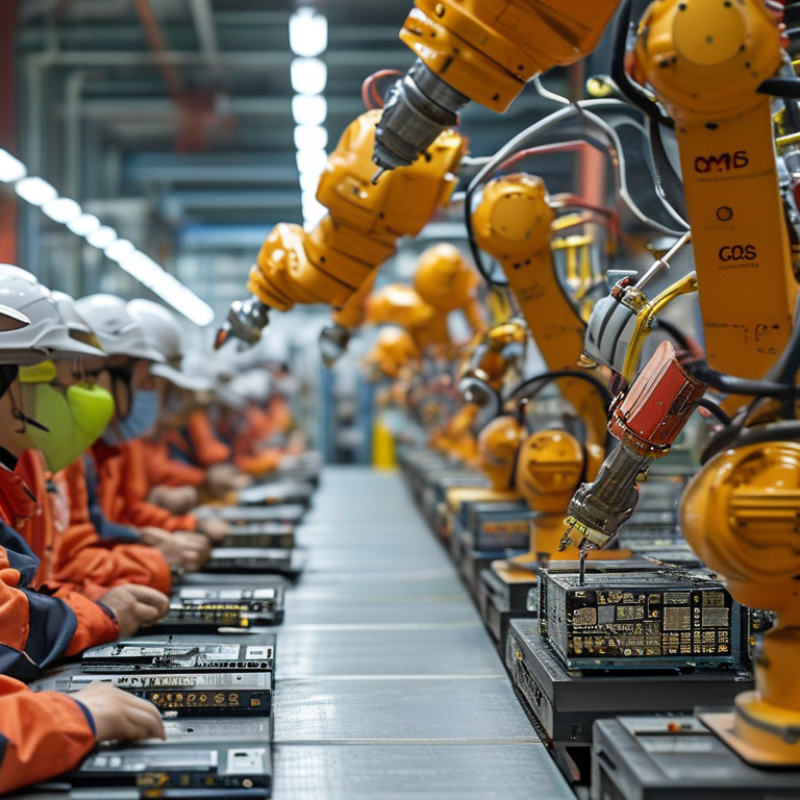
Automation is a game-changer. Automated processes improve precision and reduce production time. However, not all manufacturers have adapted smoothly. While some have embraced automation, others struggle with its implementation. This disparity affects product quality and delivery time. Effective integration of technology can enhance reliability but requires ongoing investment in training and resources.

Moreover, the shift towards greener manufacturing solutions is evident. The industry is moving towards eco-friendly materials and processes. A report highlighted that over 30% of manufacturers have adopted sustainable practices to reduce waste. Yet, many face challenges in balancing sustainability with cost-effectiveness. Continuous innovation is essential, but it must be aligned with market needs and consumer expectations. The journey of PCB manufacturers is complex and multifaceted, reflecting both opportunities and challenges.