Why Choose an Automatic Wire Winding Machine for Your Production Needs?
In today’s fast-paced manufacturing environment, efficiency and precision are vital. An automatic wire winding machine can significantly enhance production capabilities. These machines streamline the winding process, saving both time and labor.
When choosing equipment for production, factors like reliability and cost-effectiveness come into play. Automatic wire winding machines often reduce waste and ensure consistent quality. It’s important for manufacturers to understand the specific requirements of their projects. This sometimes requires tweaking machine settings or even reconsidering the initial choice of machinery.
However, not all automatic wire winding machines are the same. Some may underperform or lack necessary features. Evaluating options critically ensures the best fit for production needs. Investing in the right equipment can lead to significant productivity gains. Reflecting on choices is essential, as the right machine can make a world of difference.
Benefits of Using an Automatic Wire Winding Machine in Production
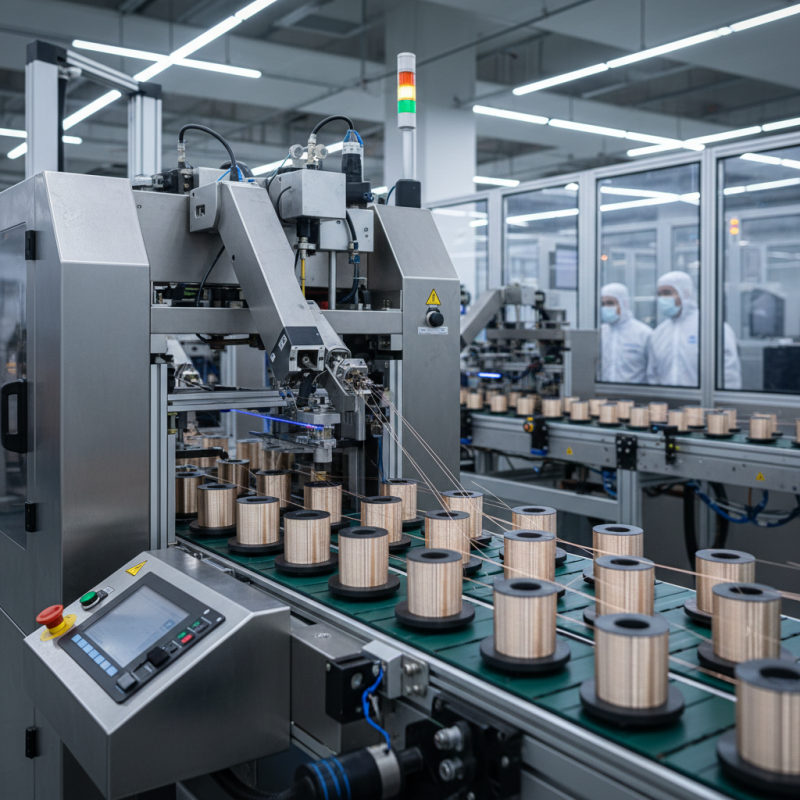
An automatic wire winding machine offers significant advantages for production. It enhances efficiency by eliminating manual winding tasks. Workers can focus on quality checks instead. This shift reduces potential errors, improving overall productivity. The machine can operate at high speeds, ensuring that production meets tight deadlines. Businesses can see quick returns on their investment.
Moreover, the precision of automatic machines cannot be overlooked. They wind wire with consistent tension and uniform spacing. This leads to better quality in the final product. However, it’s essential to maintain the machines correctly. Neglect can lead to downtime or defects in production. Regular checks are crucial to ensure everything operates smoothly.
While these machines provide many benefits, they require a learning curve for staff. Training is necessary to maximize their potential. Workers might initially struggle with the technology. Embracing these machines means adapting to new workflows. It’s a transition that can be challenging, but the benefits are worth the effort.
Key Features of Automatic Wire Winding Machines to Consider
When considering an automatic wire winding machine, several key features should be examined. Speed and efficiency are critical. These machines can significantly uplift production rates. Imagine completing a task that once took hours in just minutes. This can free up resources for other essential aspects of your operation. However, you must ensure the speed does not compromise quality. A balance is necessary.
Another important consideration is flexibility. The ability to adapt to various wire sizes and materials can be invaluable. Different projects often require different specifications. It may be beneficial to invest in machines that can handle multiple types of winding. This versatility can enhance your production line. Still, it’s essential to assess the learning curve involved in operating such machinery.
Precision is paramount in wire winding. The machine should consistently produce high-quality windings without defects. Look for features like advanced tension control and programmable settings. These details matter greatly in high-stakes production environments. Yet, achieving this precision may require regular maintenance and calibration. Over time, neglecting these tasks can hinder performance. Reflect on whether your team can maintain such standards effectively.
Why Choose an Automatic Wire Winding Machine for Your Production Needs? - Key Features of Automatic Wire Winding Machines to Consider
| Feature | Description | Benefits |
|---|---|---|
| Automation | Fully automated winding process with minimal human intervention. | Increased production efficiency and reduced labor costs. |
| Precision | High accuracy in wire positioning and tension control. | Better product quality with fewer defects. |
| Versatility | Capable of winding different wire sizes and types. | Flexibility to cater to various production requirements. |
| User-Friendly Interface | Intuitive controls and touchscreen operation. | Easier training and quicker setup times. |
| Speed | High-speed winding capabilities. | Increased output and shorter lead times. |
| Maintenance | Designed for easy maintenance and downtime reduction. | Lower operational costs and increased machine lifespan. |
Comparing Automatic vs. Manual Wire Winding Techniques
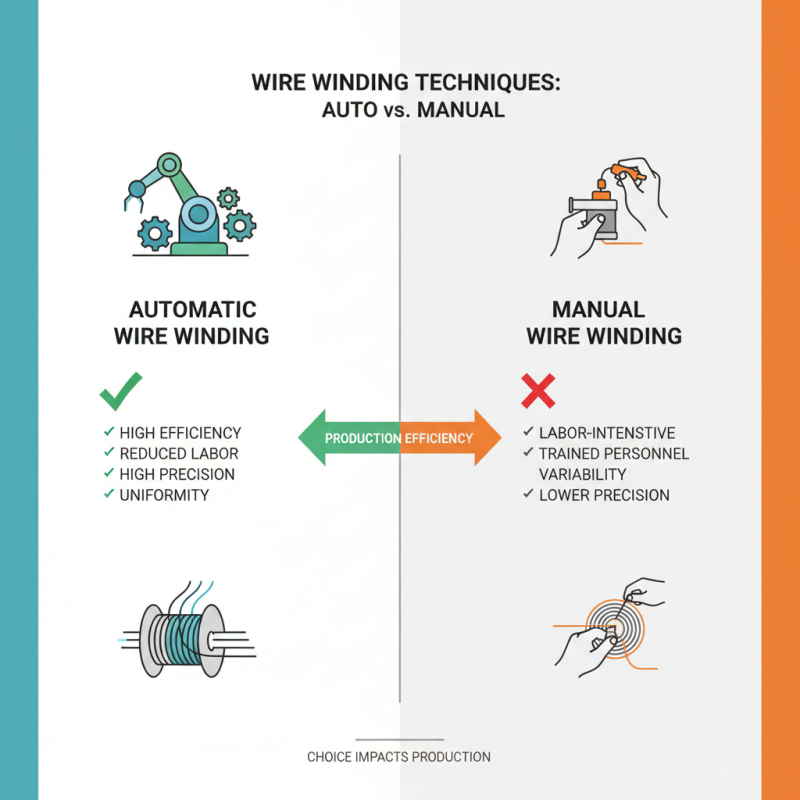
When considering wire winding techniques, the choice between automatic and manual methods can significantly impact production efficiency. Automatic wire winding machines streamline the process. They reduce labor costs and enhance consistency. The machinery can handle numerous wires simultaneously. This results in high precision and uniformity. In contrast, manual winding is labor-intensive. It requires trained personnel and can introduce variability in each winding.
Tips: To improve manual winding, ensure workers take regular breaks. Fatigue can lead to mistakes. Regular training sessions will also help maintain consistency in quality.
Automatic machines significantly reduce the risk of human error. However, they are not without potential setbacks. Mechanical failures can occur, leading to downtime. Regular maintenance is essential to keep operations running smoothly. It’s important to have a backup plan, especially in high-demand situations. Manual winding can still be useful for small batches or unique designs.
Tips: Monitor machine performance closely. Identifying patterns in failures can help prevent future issues. Also, consider a hybrid approach for flexibility in production needs.
Industries That Benefit Most from Automatic Wire Winding Machines
Automatic wire winding machines play a crucial role in various industries. These are especially beneficial in electronics manufacturing. Companies produce complex wiring harnesses that require precision. Manual winding can lead to inconsistencies and errors. Automated systems reduce human error and enhance efficiency.
The automotive industry also relies on these machines. They create intricate coil windings for motors and sensors. This process must be accurate to ensure safety and reliability. However, some manufacturers still hesitate to invest. They worry about the upfront costs or the complexity of the machines. Yet, the long-term savings in labor and time are significant.
In the telecommunications sector, automatic wire winders contribute to faster production times. With the demand for cables growing, efficiency is vital. Workers need to focus on quality control, not manual winding. However, finding the right machine can be challenging. Companies must evaluate their specific needs carefully. Understanding the operation of the machine is essential for maximizing its benefits.
Cost-Efficiency of Automatic Wire Winding Machines in Manufacturing
Automatic wire winding machines significantly enhance cost-efficiency in manufacturing. These machines streamline production processes, reducing labor costs. By automating winding tasks, businesses can lower their overhead expenses. The precision offered by these machines also minimizes material waste, contributing to better financial outcomes.
Moreover, investing in these machines can lead to faster production rates. Increased output means higher revenue over time. However, companies must consider initial investments carefully. The upfront costs can be substantial, and not every business may see immediate returns. It's essential to weigh the benefits against possible production challenges during implementation.
Additionally, there can be a learning curve. Employees may need training to operate new machinery effectively. Resistance to change can slow down integration. Regular maintenance is also crucial for optimal performance. Complications that arise from neglecting this aspect can lead to increased repair costs, affecting overall efficiency.
Related Posts
-
Discover the Innovations in the Best Coil Winding Machine Technology for Efficient Production
-
2025 Top 5 Used Coil Winding Machines You Need for Your Business
-
What is a Coiling Machine and How Does it Work for Your Projects
-
How to Choose the Best Micro Coil Winding Machine for Your Needs
-
Top 2025 Coil Winding Machines Features Benefits and Buying Guide
-
Essential Tips for Choosing the Best Motor Coil Winding Machine