
China Steel Shower Drain Factory Quality Options for Global Buyers
In recent years, the demand for high-quality steel shower drains has surged globally. A reliable China Steel Shower Drain Factory can provide essential solutions for this booming market. According to a recent report by Market Research Future, the global shower drain market is expected to grow significantly, reaching a valuation of over $1.5 billion by 2025. This growth underscores the importance of quality in manufacturing.
Industry expert Wang Li, a leading figure in the shower drain sector, emphasizes the importance of quality assurance. He states, "Superior craftsmanship in steel shower drains is crucial for both safety and longevity." His insight highlights that not all manufacturers maintain the same standards. Therefore, buyers must carefully evaluate their options.
Despite this growth, challenges persist. Some factories may prioritize cost over quality, leading to products that may not meet international standards. Buyers should conduct thorough research and seek manufacturers that value quality over price. By doing so, they ensure their investments lead to successful outcomes.
China Steel Shower Drain Factory Overview
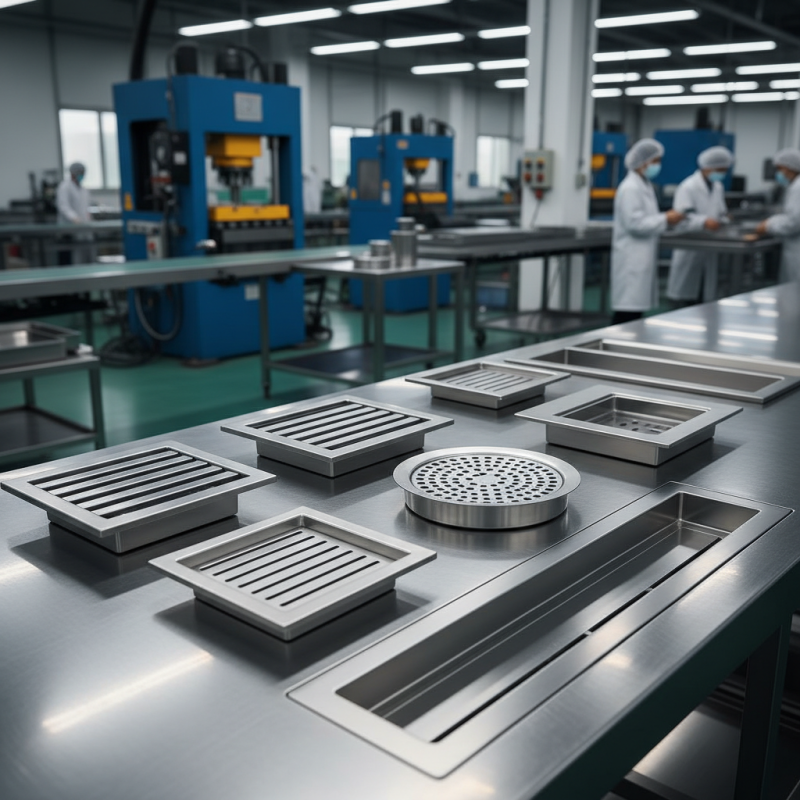
China has become a significant player in the steel shower drain market. Its manufacturing capabilities are impressive, with production volumes reaching over 100 million units annually. This growth is driven by robust demand in both domestic and international markets, reflecting an increasing focus on quality in bathroom fixtures.
Chinese manufacturers often emphasize the use of corrosion-resistant materials. However, some factories may prioritize cost over quality, leading to inconsistencies. According to recent industry reports, nearly 30% of imported steel drains do not meet international standards. This underlines the need for buyers to conduct thorough research before making purchases.
Furthermore, sustainability is gaining traction in the industry. Many factories are now adopting eco-friendly practices. Yet, challenges remain. A significant portion of manufacturers still lacks certifications for sustainable practices. Global buyers must critically assess the certifications and practices of factories. Quality varies significantly, and understanding the landscape is crucial for informed decisions.

Quality Standards for Steel Shower Drains
When choosing steel shower drains, quality standards are crucial for both safety and functionality. High-quality materials ensure durability and resistance to corrosion. Many steel drains are made from stainless steel. This material offers longevity and ease of maintenance. Buyers should check for certifications, indicating adherence to international safety norms. These reflect a commitment to good manufacturing practices.
Tips for selecting the right drain include examining the finish for any defects. A shiny, even surface suggests better quality. Look for features like removable traps and easy installation options. Such aspects maximize usability and convenience. Consider the drain's design to ensure it complements your shower's aesthetic.
In today's market, not all products meet the same quality standards. Some manufacturers cut corners to reduce costs. It’s essential to be vigilant about potential trade-offs in durability versus price. Buyers may experiment with different models to find the best fit. Quality should always be a priority, rather than just focusing on the cost.
Sourcing Options for Global Buyers
When sourcing steel shower drains, global buyers have various quality options. The global market for bathroom products, including drains, is projected to reach $90 billion by 2026, according to industry reports. Quality varies significantly, affecting both performance and durability. Understanding these differences is essential for making informed choices.
Buyers should consider the materials used in manufacturing. High-grade stainless steel is often preferred due to its resistance to corrosion and rust. However, not all stainless steel is created equal; grades like 304 and 316 offer different levels of durability. Research indicates that shower drains made from higher grades experience fewer failures over time.
Tips for buyers: verify the certifications of products. Look for compliance with international quality standards. Also, assess product reviews and feedback from other users. Real-world experiences can offer insights that specifications may miss. Engaging suppliers who prioritize transparency can enhance trust. Consider ordering samples before committing to large purchases. This helps in evaluating actual product quality without committing significant resources.
Inspection and Testing Processes in Steel Drain Manufacturing
The steel shower drain manufacturing industry emphasizes rigorous inspection and testing processes to ensure product quality. According to recent industry reports, nearly 30% of defects in drainage systems arise from inadequate testing methods. This highlights the importance of diligent quality checks during production.
Manufacturers utilize a variety of testing techniques, including hydraulic testing, to assess the performance of drains under real-life conditions. This type of testing simulates water flow, allowing engineers to identify weaknesses. Moreover, random sampling inspections often reveal inconsistencies that might go unnoticed during standard quality checks. Utilizing international standards like ISO 9001 ensures that manufacturers meet quality benchmarks.
However, the industry still faces challenges. Not all manufacturers adopt standardized processes, leading to variability in product reliability. A significant number of steel drains are subjected to inconsistent testing practices, raising concerns about long-term performance. Addressing these gaps requires ongoing discussions within the industry to standardize inspection protocols and enhance product quality for global buyers.
Comparative Analysis of Leading Chinese Manufacturers
When exploring Chinese manufacturers of steel shower drains, it's essential to consider quality and reliability. Several companies stand out due to their advanced production techniques. Many use high-grade stainless steel, which enhances durability and resistance to corrosion. This focus on materials is crucial, especially in wet environments.
However, not all manufacturers maintain the same standards. Some factories rush production to meet demands, potentially compromising quality. Buyers should look for certifications that indicate adherence to international quality standards. Engaging in factory visits can also provide valuable insights into their operations.
A comparative analysis reveals variations in pricing and design as well. Some manufacturers offer innovative designs. Others focus on functional aspects but lack aesthetic appeal. Buyers must weigh these factors against their specific needs. Selecting the right manufacturer may take time, but it is worth the effort for long-term satisfaction.