
China Top Steel Castings for Railroad Applications What Buyers Need to Know

In the evolving landscape of railway infrastructure, understanding the nuances of steel castings is crucial. Leading expert John Smith, a renowned authority in the Steel Castings Railroad field, states, “Quality castings are the backbone of any reliable railway system.” This highlights the significance of sourcing high-quality steel castings for railroad applications.

Steel castings play a vital role in ensuring safety and efficiency on the tracks. Buyers must pay close attention to material certifications and manufacturing processes. Detailed inspections and rigorous testing can prevent failures. Many manufacturers claim quality, but not all meet industry standards.

Investing in the right steel castings means considering long-term performance. It is essential to balance cost with durability. Some buyers may be tempted by lower prices, risking future expenses. In a sector where reliability is non-negotiable, understanding the intricacies can make a significant difference. Emphasizing collaboration with established suppliers is key to achieving optimal outcomes in the Steel Castings Railroad industry.
China Top Steel Castings for Railroad Applications What Buyers Need to Know

Understanding the Importance of Steel Castings in Railroad Applications

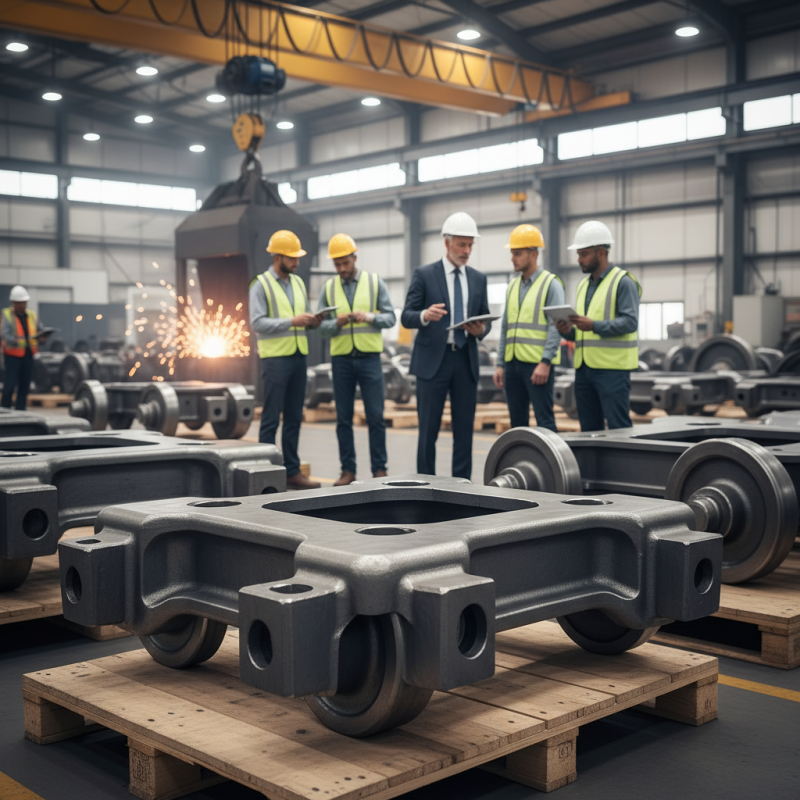
Steel castings play a critical role in railroad applications. They are essential components for various railway systems, ensuring trains run smoothly and safely. The durability and strength of steel castings make them suitable for high-stress environments. They are often used in parts like couplings, bogies, and frames. Each component must withstand significant forces and weight over long periods.

Understanding the manufacturing process is vital for buyers. Steel castings undergo complex procedures, including melting, molding, and cooling. This process can reveal defects. Buyers should be familiar with quality standards and inspection processes. Regular evaluations can prevent potential failures.

Choosing the right steel casting requires knowledge. Specs matter—knowing the right grade and alloy is essential. Buyers should also consider suppliers’ experience and reputation. They should also remain aware of evolving technologies and methods. In this way, they can make informed decisions. This understanding fosters trust in the quality and reliability of railroad operations.

Key Specifications and Standards for Railroad Steel Castings

When it comes to steel castings used in railroad applications, understanding key specifications and standards is essential. Steel castings must demonstrate high strength and durability to withstand the stresses of daily use. Buyers need to consider the material grade carefully. Common grades include ASTM A536 and ASTM A148. Each grade serves specific applications, so selecting the correct one is vital.

Quality standards also play an important role. Manufacturers often adhere to ASTM or ISO standards, ensuring products meet safety and performance requirements. Pay attention to the tolerance levels specified for each component. Inspecting the surface finish is equally critical, as defects can lead to failures in real-world conditions. Buyers should be proactive in requesting detailed reports on testing and certification.

Engaging with reputable suppliers is crucial. However, not all suppliers maintain the same quality levels. It's important to ask for references and previous client testimonials. Sometimes, even well-regarded suppliers can have inconsistencies in their products. By conducting thorough research, buyers can avoid costly mistakes. Understanding these elements will lead to better decision-making in purchasing railroad steel castings.

Market Trends: Demand and Supply of Steel Castings in Railway Sector

The railway sector is witnessing significant changes in the demand and supply of steel castings. A recent industry report indicates that global demand for steel castings in rail applications is projected to grow at a CAGR of 5.3% through 2026. This growth is fueled by increased investments in rail infrastructure across various regions. Many countries are modernizing their rail systems to enhance capacity and efficiency.

However, the supply side is facing challenges. Production costs are rising due to the fluctuation in raw material prices, particularly scrap steel. In the past year, the prices of scrap steel have surged by approximately 22%, impacting the overall profitability for manufacturers. Additionally, some foundries struggle to keep pace with increasing quality demands from buyers. Inconsistencies in the casting quality have raised concerns about reliability in critical railroad applications.

The competition among suppliers is intensifying. More players are entering the market, leading to a wider variety of options for buyers. However, it is essential for buyers to assess the expertise and credentials of suppliers carefully. Not all manufacturers can meet stringent safety and performance standards. The railway industry must prioritize quality and reliability, as lapses in these areas can have serious implications for safety and operational efficiency.

Leading Chinese Manufacturers of Steel Castings for Railroads

When considering top steel casting manufacturers in China for railroad applications, understanding their expertise is crucial. Many companies specialize in producing castings that meet stringent safety and quality standards. These manufacturers often use advanced technology and a skilled workforce to create durable parts for trains and rail systems. The emphasis on precision and quality often sets these manufacturers apart in the competitive market.

Chinese manufacturers offer a wide range of products, including bogies, wheel sets, and couplers. The production processes vary, and it's essential to evaluate their capabilities thoroughly. Some companies excel in large production volumes, while others focus on customized solutions. Buyers should inquire about the factory’s quality control measures and certifications. It’s important to review previous projects and client testimonials to gauge reliability.

While there is a strong reputation for quality among leading Chinese manufacturers, price competitiveness can mask underlying issues. Some manufacturers might cut corners to reduce costs, impacting product integrity. Buyers need to be diligent. Seeking partnerships with reputable companies that prioritize transparency and accountability can mitigate risks. Ultimately, informed decision-making is key to sourcing the best steel castings for railroad applications.

Quality Assurance: Testing and Certification for Steel Casting Products

When considering steel castings for railroad applications, quality assurance is crucial. Buyers must understand the importance of testing and certification to ensure reliability and safety. In the rail transport sector, even minor defects can lead to significant failures. Reports indicate that nearly 30% of industrial failures are tied to manufacturing defects.

Reliable testing methods include tensile testing, hardness testing, and impact testing. These methods assess materials under conditions mimicking real-world scenarios. Independent certification bodies evaluate these products against rigorous industry standards. Knowing that a steel casting has passed these tests instills confidence.

It’s important to acknowledge that not all manufacturers maintain high testing standards. Some may overlook critical certifications to cut costs. This negligence can result in subpar products entering the market. Buyers should prioritize suppliers with transparent testing and quality assurance processes. Engaging with reputable sources ensures that the steel castings meet necessary safety regulations and perform effectively in demanding environments.