The Best 5 Motor Winding Machines for Efficient Electrical Engineering?

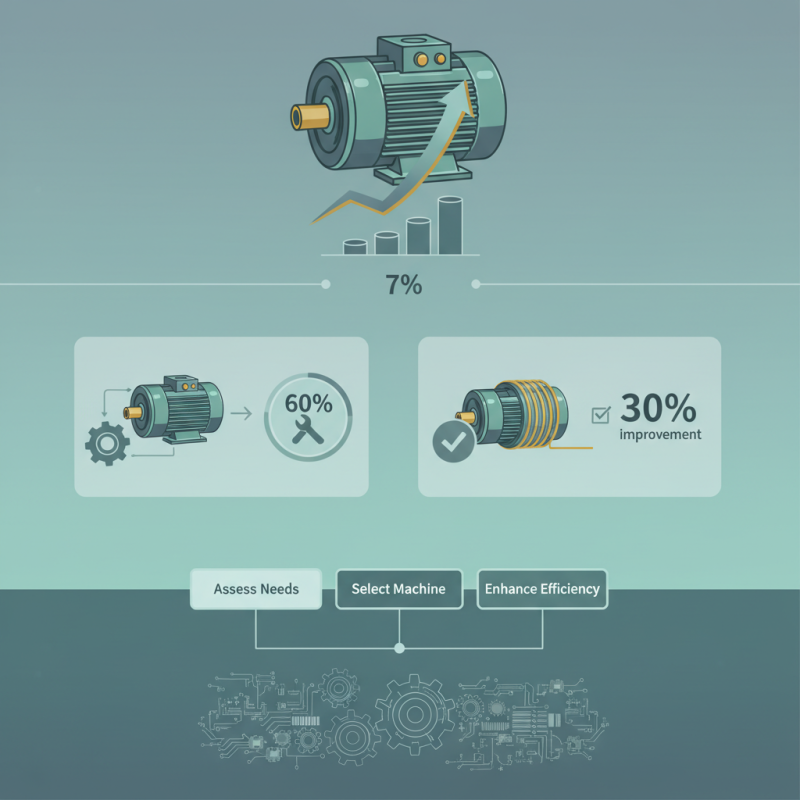
In today's industrial landscape, the demand for efficient motor winding machines is ever-increasing. The electrical engineering sector is projected to grow by 7% annually, emphasizing the need for reliable machinery. Motor winding machines play a key role in this growth, affecting the quality and productivity of electric motors. According to industry reports, nearly 60% of operational inefficiencies in manufacturing stem from inadequate winding processes.

Selecting the right motor winding machine can transform production lines. There are machines designed for various winding techniques, ensuring precision and reducing errors. This is critical, as data suggests that improper winding can lead to a 30% decrease in motor efficiency. Manufacturers must assess their needs against machinery capabilities, highlighting the importance of informed decisions.

However, not all machines deliver optimal performance. Some models fail under heavy workloads or lack necessary features. This is a concern for engineers and technicians. The evolving technology in motor winding machines demands constant evaluation. Companies need to reflect on their choices to enhance efficiency in the long run.
The Best 5 Motor Winding Machines for Efficient Electrical Engineering?

Top Features to Consider in Motor Winding Machines

When choosing a motor winding machine, several key features must be considered. Precision is paramount. Machines with high precision will ensure the coils are wound uniformly. Uniformity affects the performance of the motor, impacting efficiency and lifespan. Inconsistent winding can lead to electrical imbalances. This creates a ripple effect throughout the entire motor.

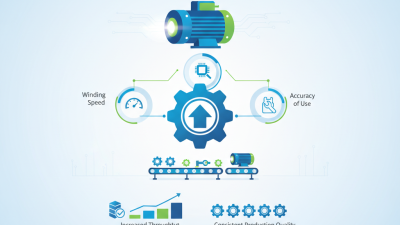
Speed is another critical factor. A fast machine can significantly boost productivity. However, speed should not compromise quality. Winding too quickly can result in errors, such as loose coils or improper tension. Operators must balance speed and quality. Training and skill play an important role in this process.

Additionally, ease of use is essential. A complex interface can lead to mistakes. A user-friendly machine can enhance operator efficiency. Maintenance features are also vital. Regular upkeep can prevent unexpected breakdowns. Operators often overlook this but it is crucial. In the long run, these choices can greatly impact production efficiency and motor performance.
Types of Motor Winding Machines Available in the Market

When it comes to motor winding machines, several types cater to different needs in electrical engineering. These machines vary by functionality and application. Common types include automatic, semi-automatic, and manual winding machines. Automatic machines handle high volumes efficiently, making them ideal for large-scale production. They can achieve speeds of up to 6000 RPM, which enhances productivity significantly.

In contrast, semi-automatic machines offer flexibility. They require some manual intervention but are easier to operate and maintain. Statistical reports indicate that over 40% of small businesses prefer this type for moderate production levels. Manual machines, while the least efficient, are cost-effective and suitable for custom jobs. Data shows that about 25% of workshops still use manual winding due to their lower initial costs.

However, each machine type comes with challenges. Automatic machines may require specialized training, leading to potential skill gaps among employees. Maintenance can be another concern, as breakdowns result in significant downtime. This creates a feedback loop of inefficiency. Balancing efficiency with reliability often poses a challenge for engineers, who must carefully assess their unique production needs and workforce capabilities.

Comparison of the Leading Motor Winding Machines

The Best 5 Motor Winding Machines for Efficient Electrical Engineering?

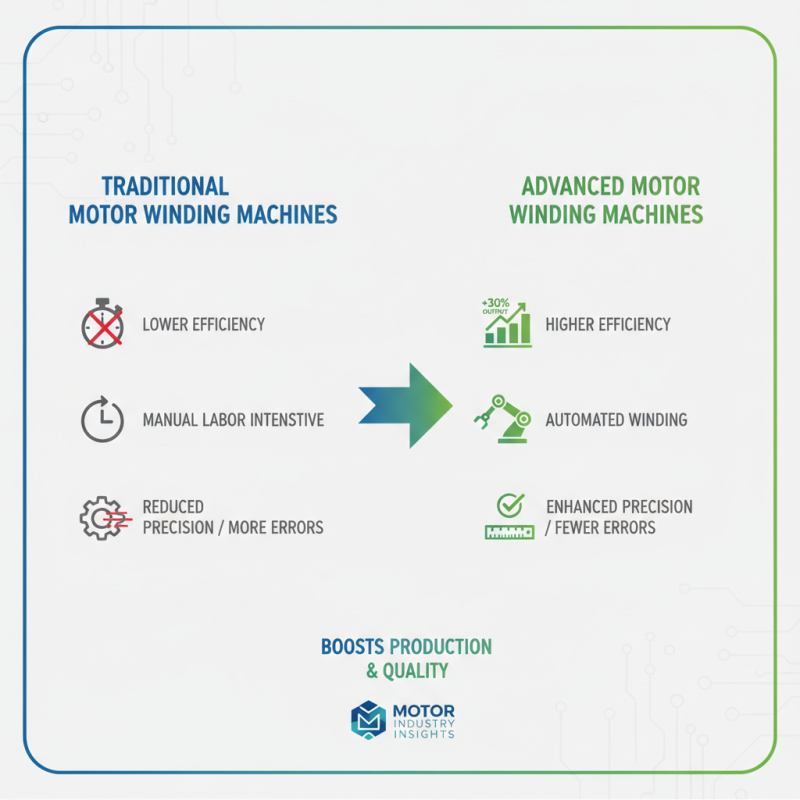
When comparing motor winding machines, several factors come into play. Efficiency is crucial for minimizing production costs. According to industry studies, advanced machines can boost output by up to 30%. These models often offer automated winding options, drastically cutting down labor time. The precision of these machines ensures that errors are reduced, enhancing the quality of the motors produced.

Tips: Focus on the machine's configuration. Some formations may improve winding accuracy. Also, pay attention to the user interface. Complex controls can slow down production. Simplicity often leads to better productivity.

Durability is another vital factor. Research indicates that machines with robust components last longer and require less maintenance. Yet, many engineers overlook this aspect, assuming all machines are built to last. This can lead to unexpected downtime and costly repairs. Balancing efficiency, ease of use, and durability is the key challenge in choosing the right winding machine.

Benefits of Using Advanced Motor Winding Technology

The Best 5 Motor Winding Machines for Efficient Electrical Engineering?

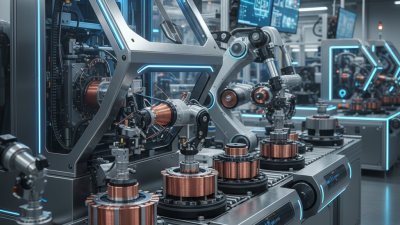
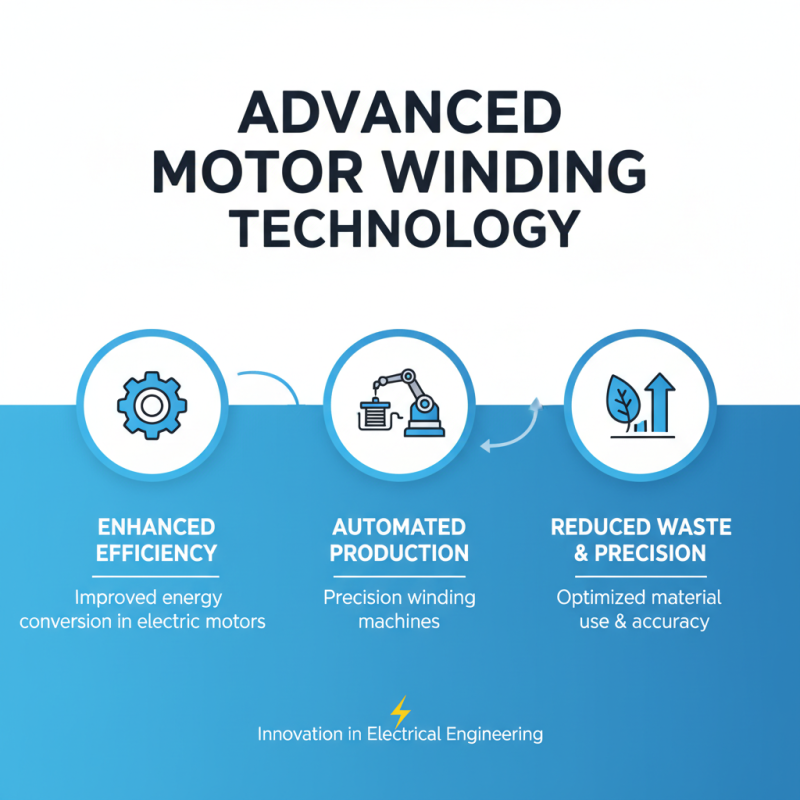
Advanced motor winding technology significantly enhances efficiency in electrical engineering. Sophisticated winding machines streamline the production of electric motor windings. These machines can automatically adjust winding parameters. This leads to precision and reduced waste material.

Using advanced machines results in consistent quality. Winding patterns become more uniform, which is crucial for performance. The process also minimizes human error, yet training is still necessary. Operators must understand machinery to maximize benefits, or mistakes can occur. While technology aids efficiency, it demands attention and skill.

Adopting new technology can be challenging. Some might resist change due to comfort with older methods. Transitioning often requires adjustments in workflow and mindset. Investing in training can ease this process. Ultimately, embracing advanced winding technology can yield significant long-term benefits.

Maintenance Tips for Prolonging Motor Winding Machine Lifespan

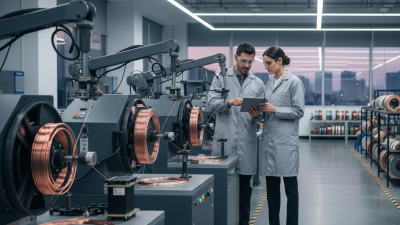
Maintaining motor winding machines is crucial for efficiency. Regular care can extend their lifespan significantly. Cleaning is often overlooked. Dust and debris can affect performance. Use a soft brush or compressed air to remove buildup. Regular inspections can catch issues before they worsen. Look for wear and tear, especially on electrical components.

Lubrication is another vital aspect. Use appropriate oils to minimize friction. Check bearings frequently. However, too much oil can attract dirt. Finding the right balance is key. Also, ensure the machine is properly calibrated. Misalignment can lead to inefficiency. Calibration takes time and attention.

Training users on proper handling is essential. Many damages occur due to misuse. Provide detailed instructions for operation. Make them aware of stress signs. Regular training sessions can reinforce best practices. Overall, these steps help in maintaining motor winding machines effectively. They save time and resources in the long run.

The Best 5 Motor Winding Machines for Efficient Electrical Engineering

This chart displays the efficiency of the top five motor winding machines based on their maximum winding speed (in RPM) and average maintenance frequency (in months). The data reflects efficiency metrics observed in various electrical engineering applications.